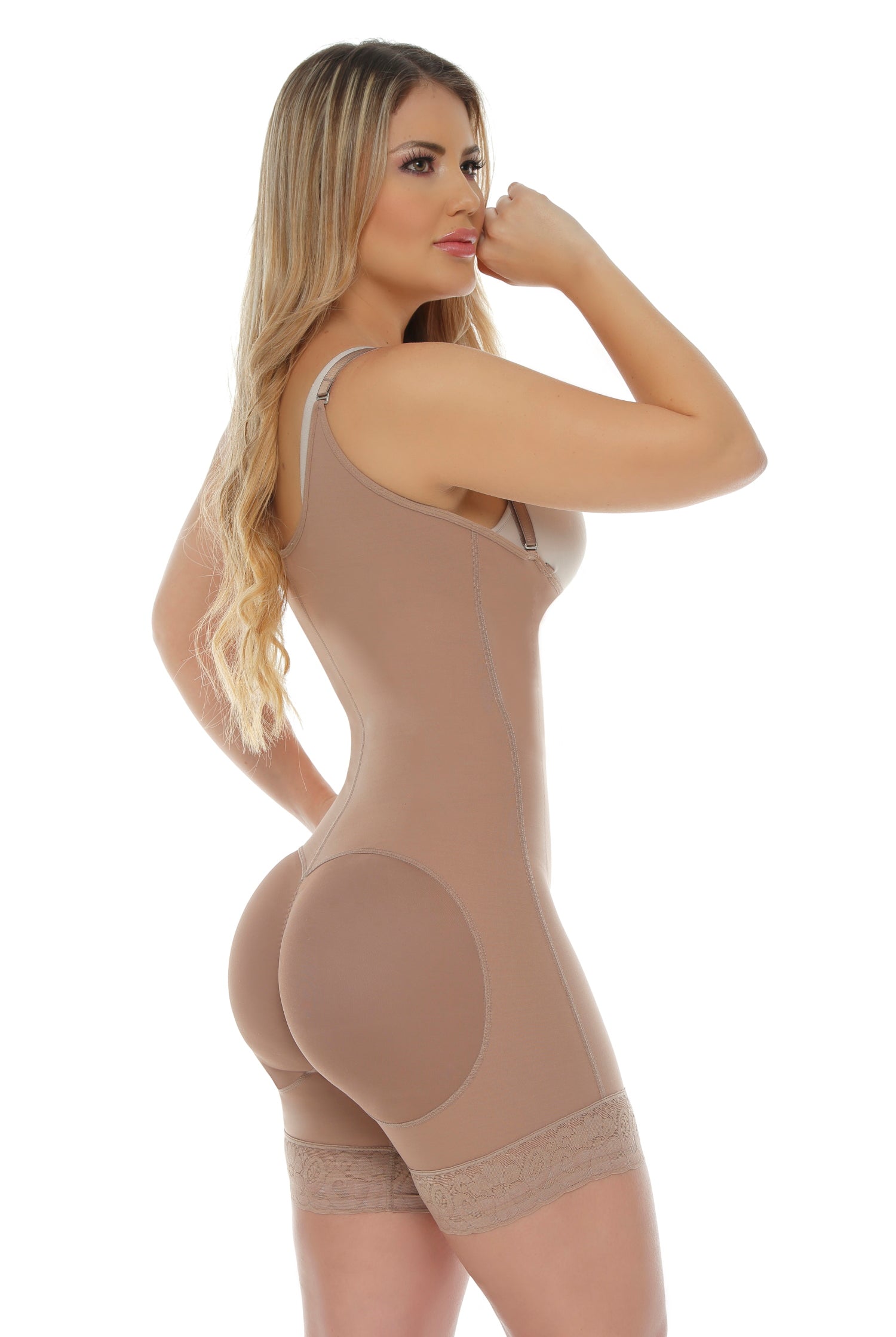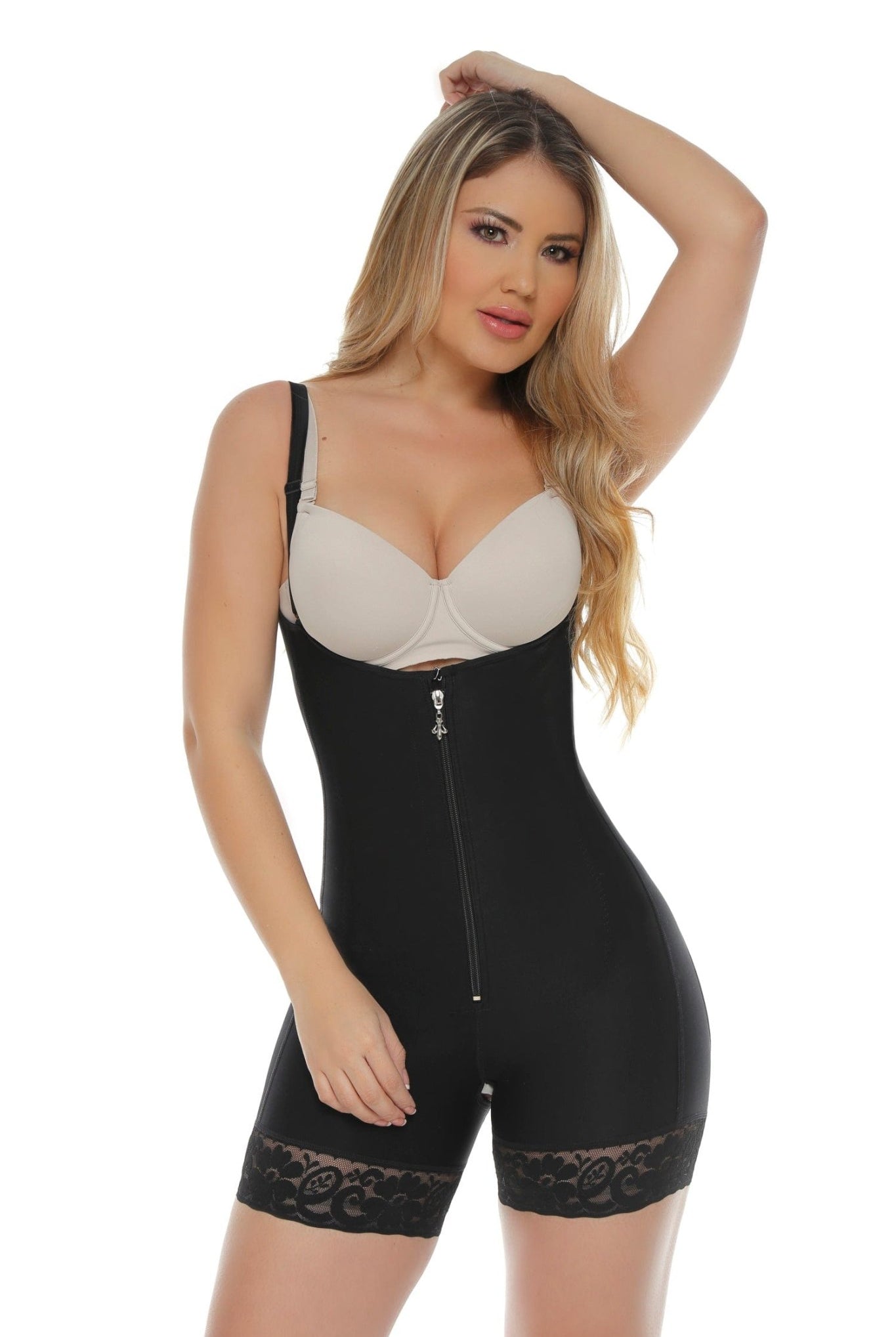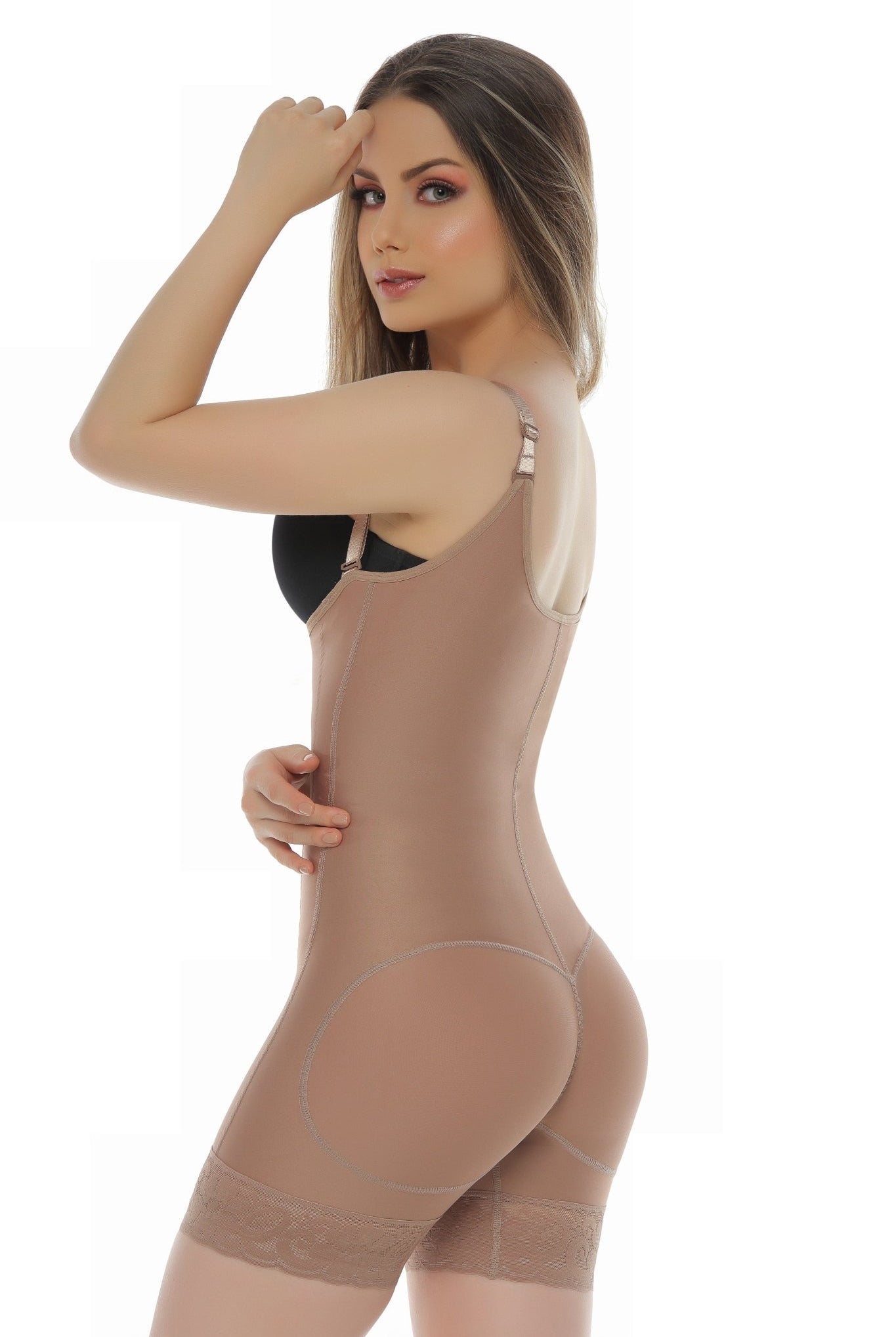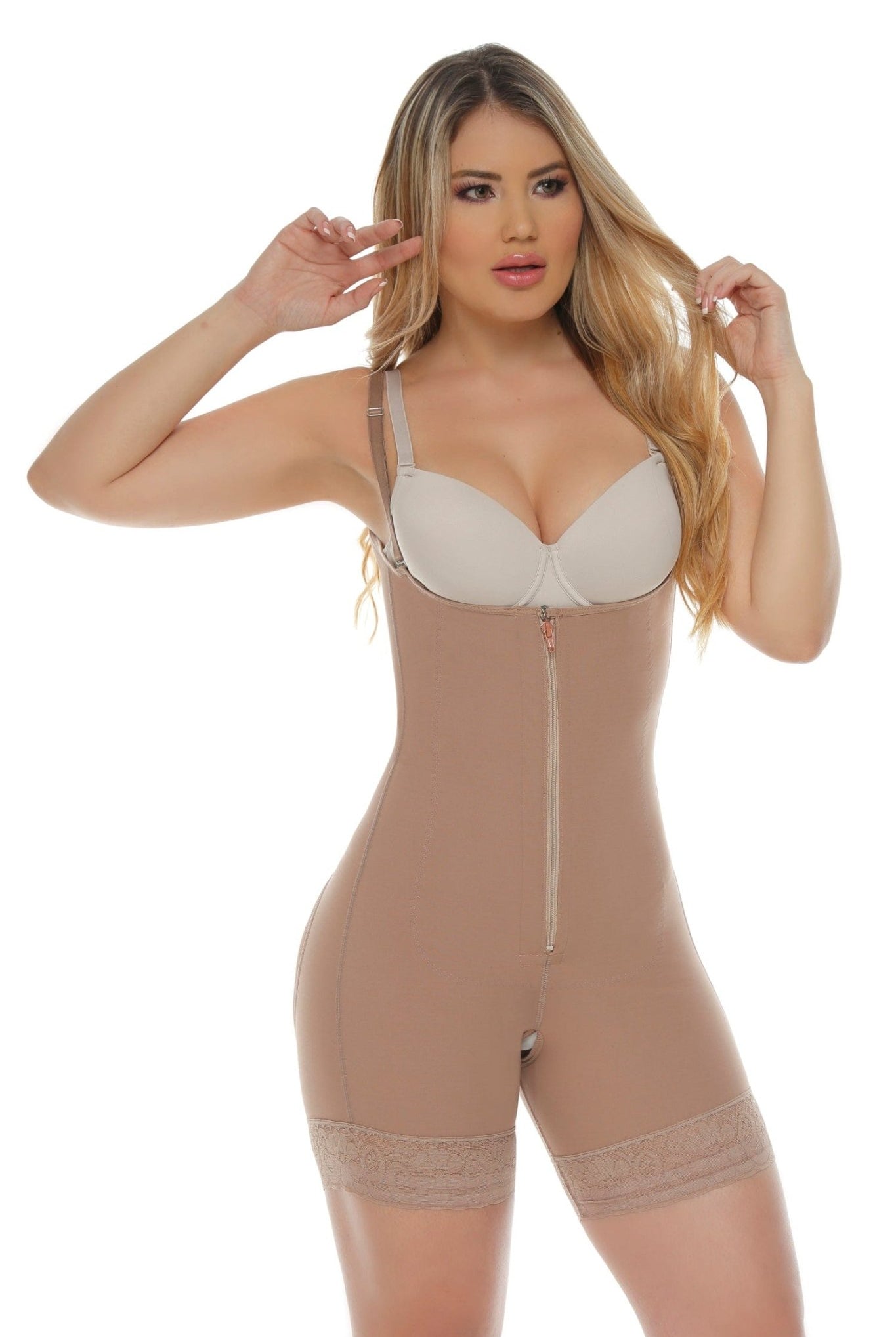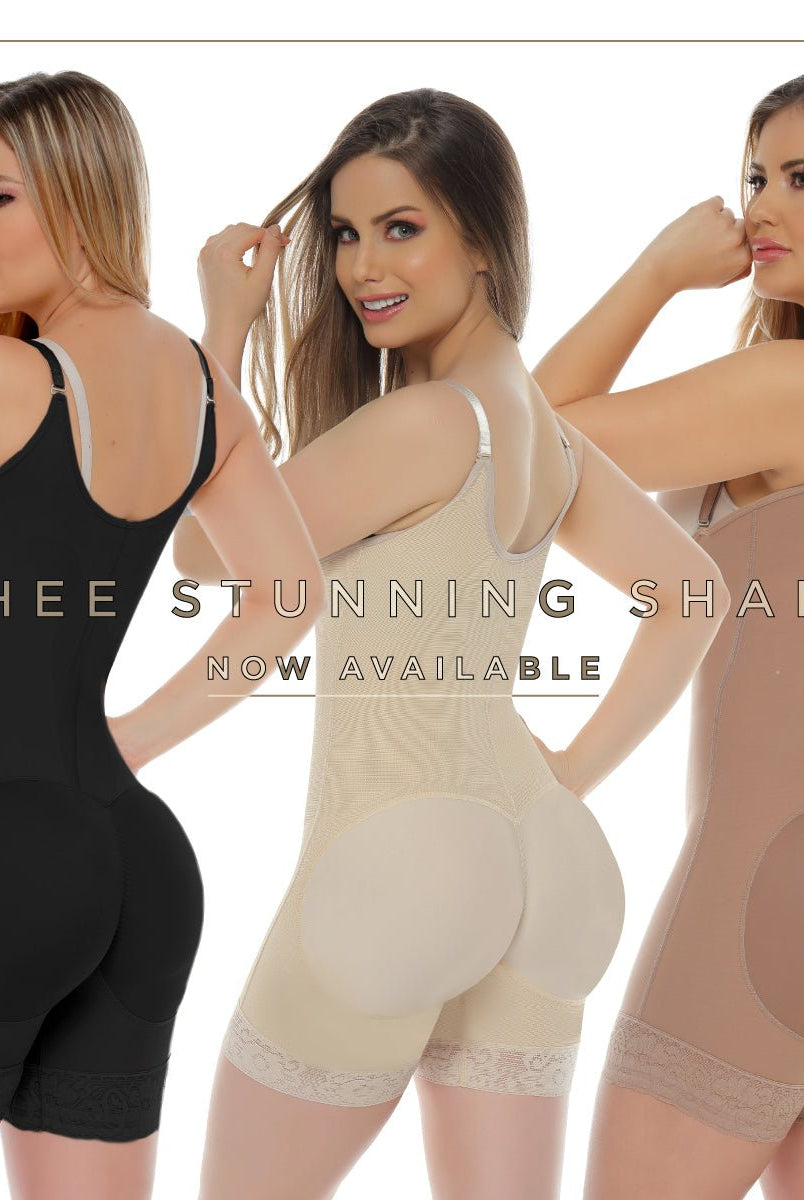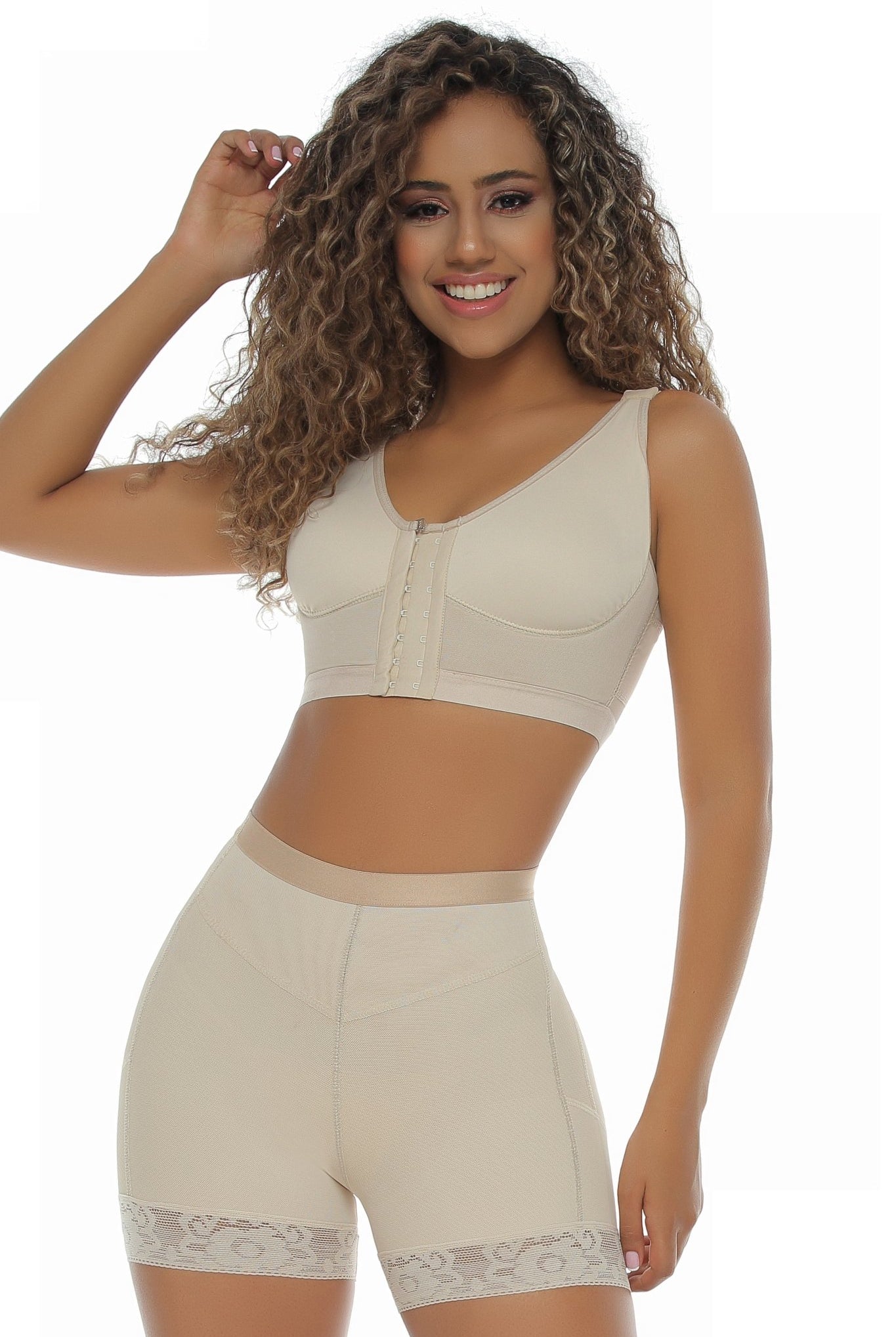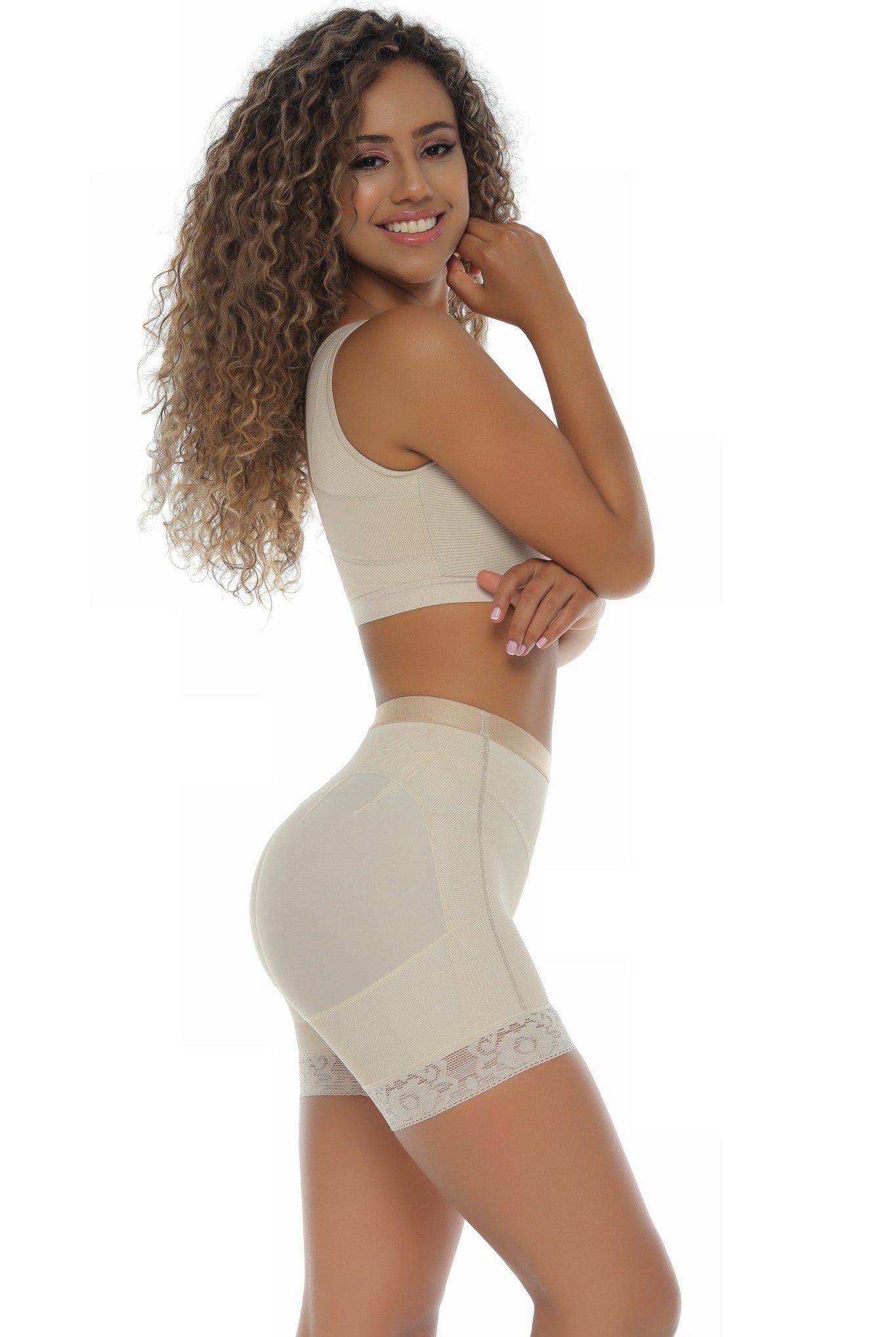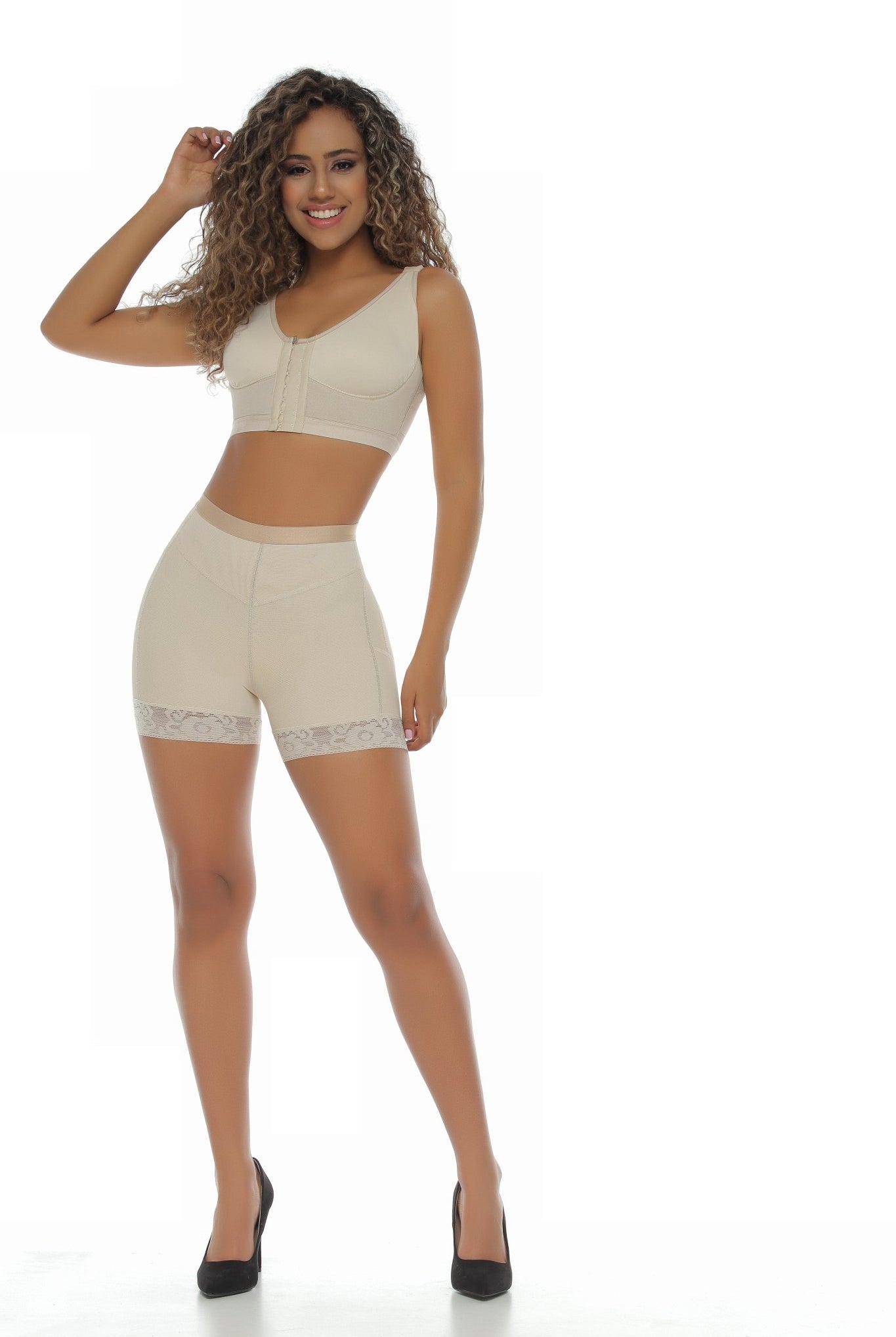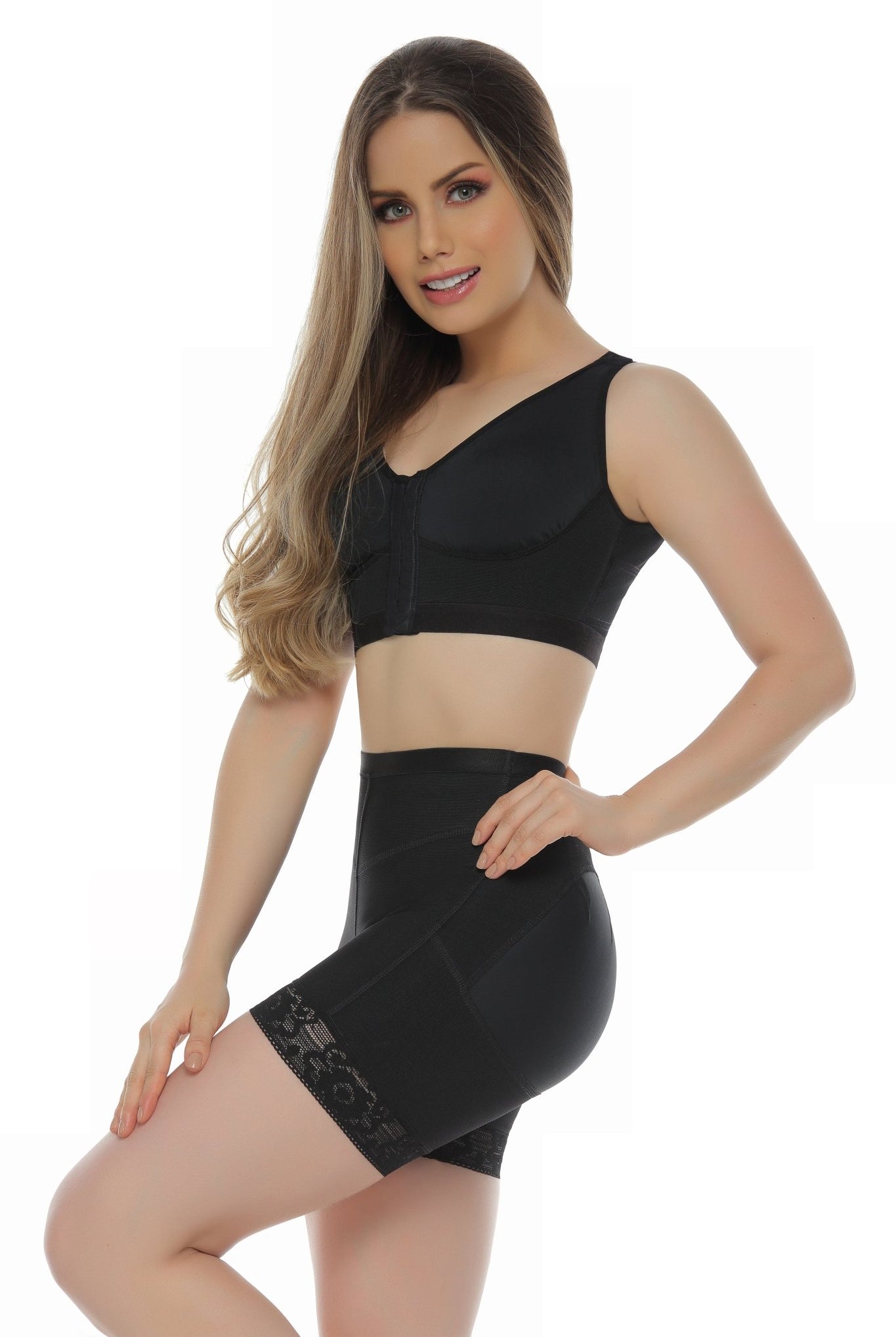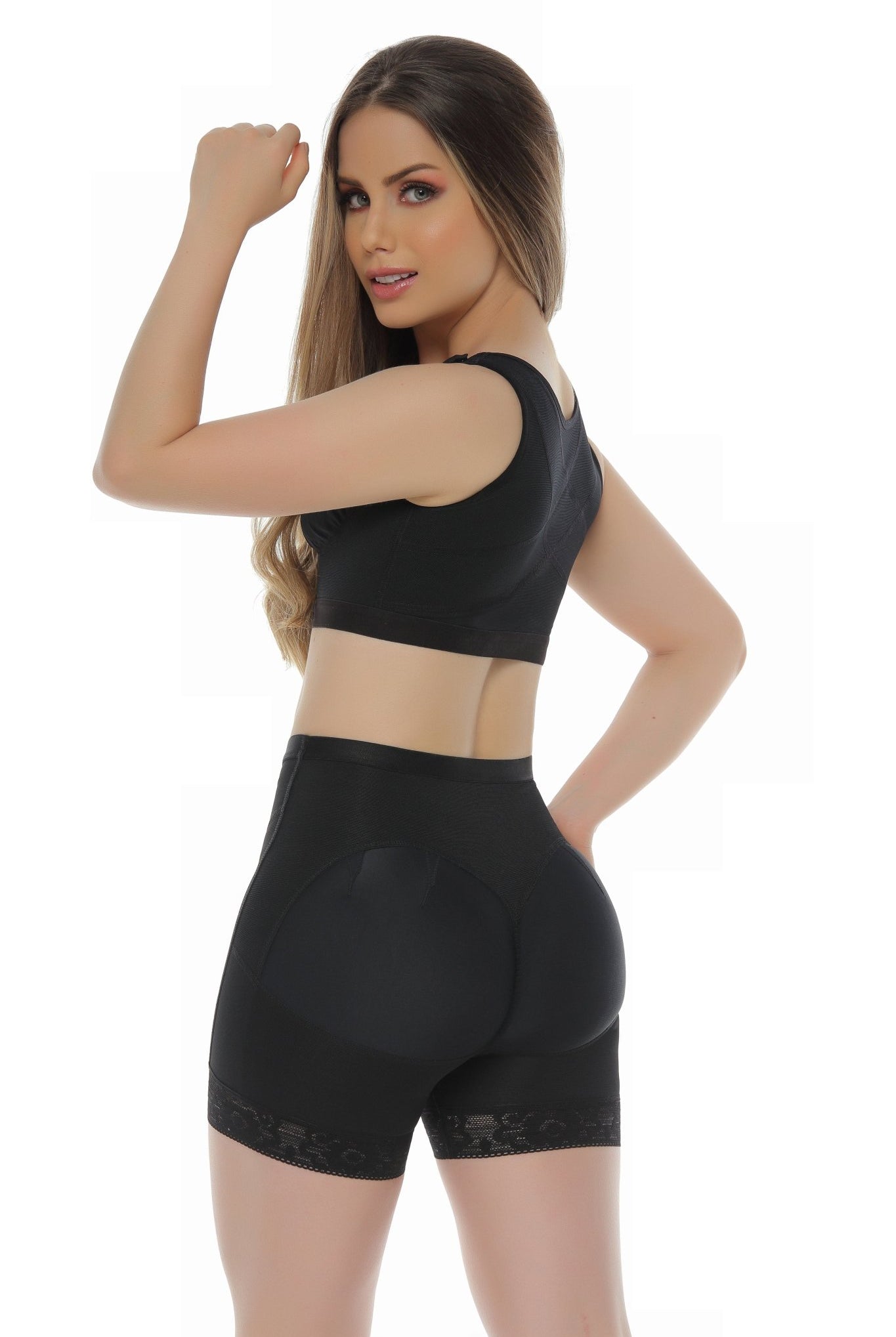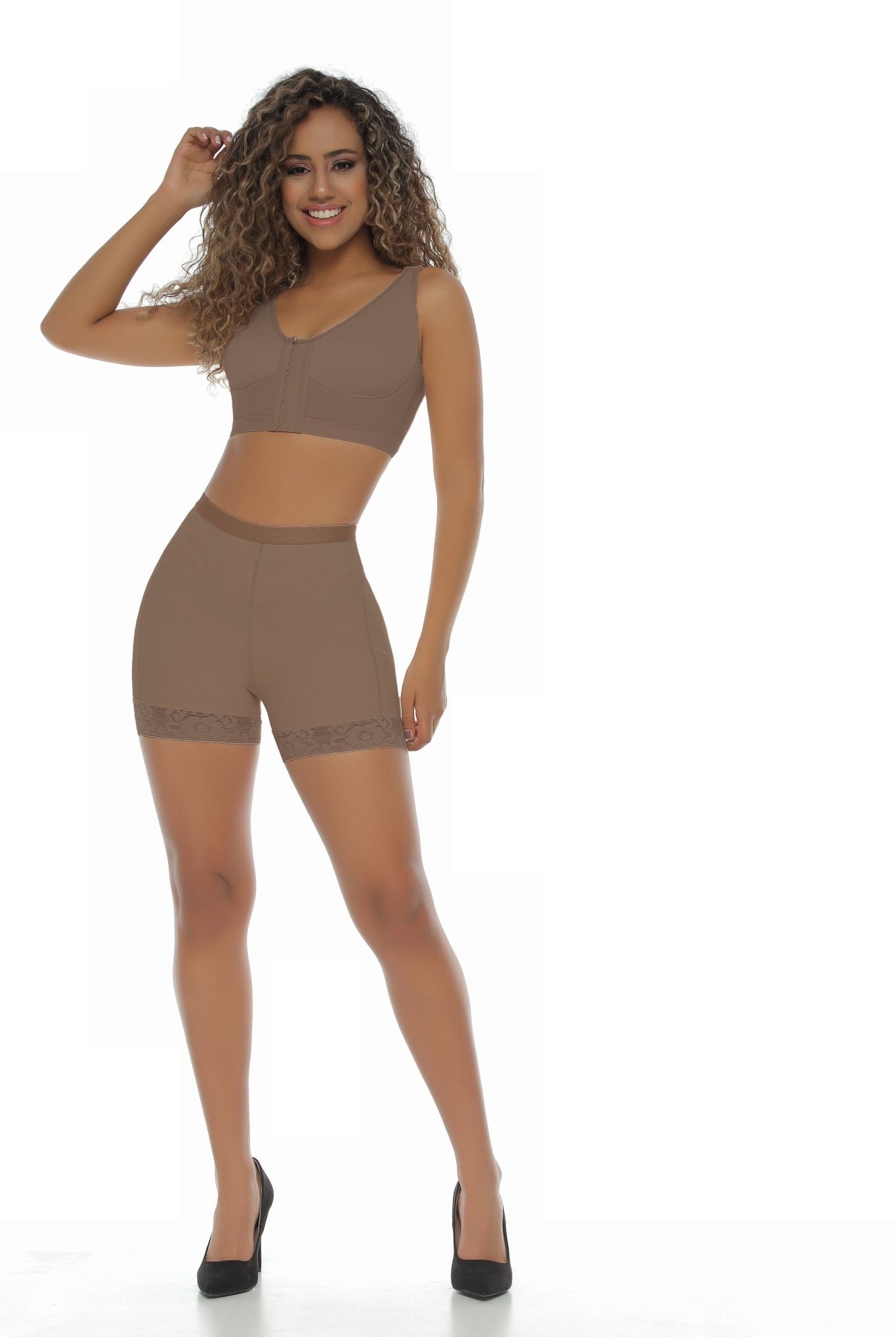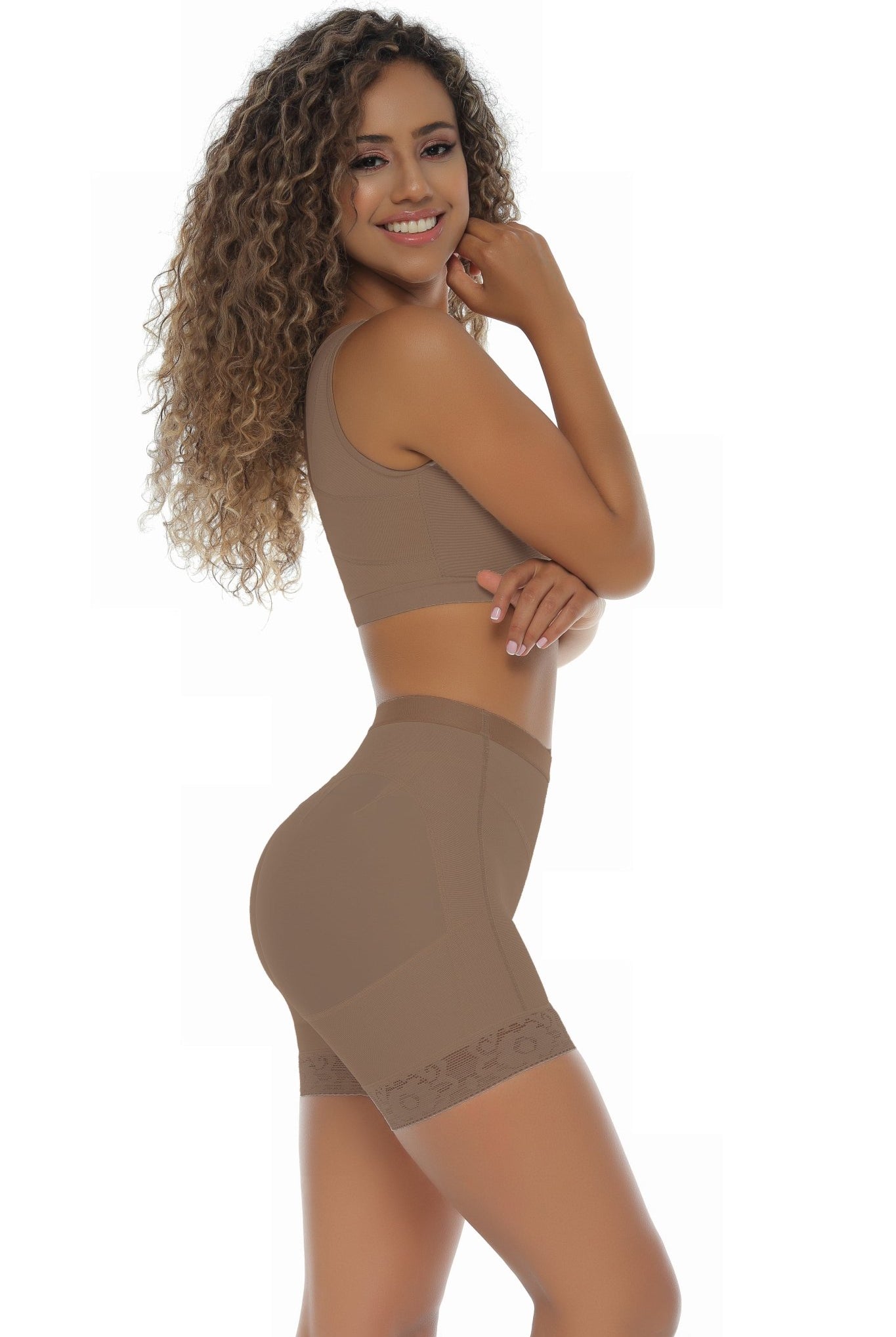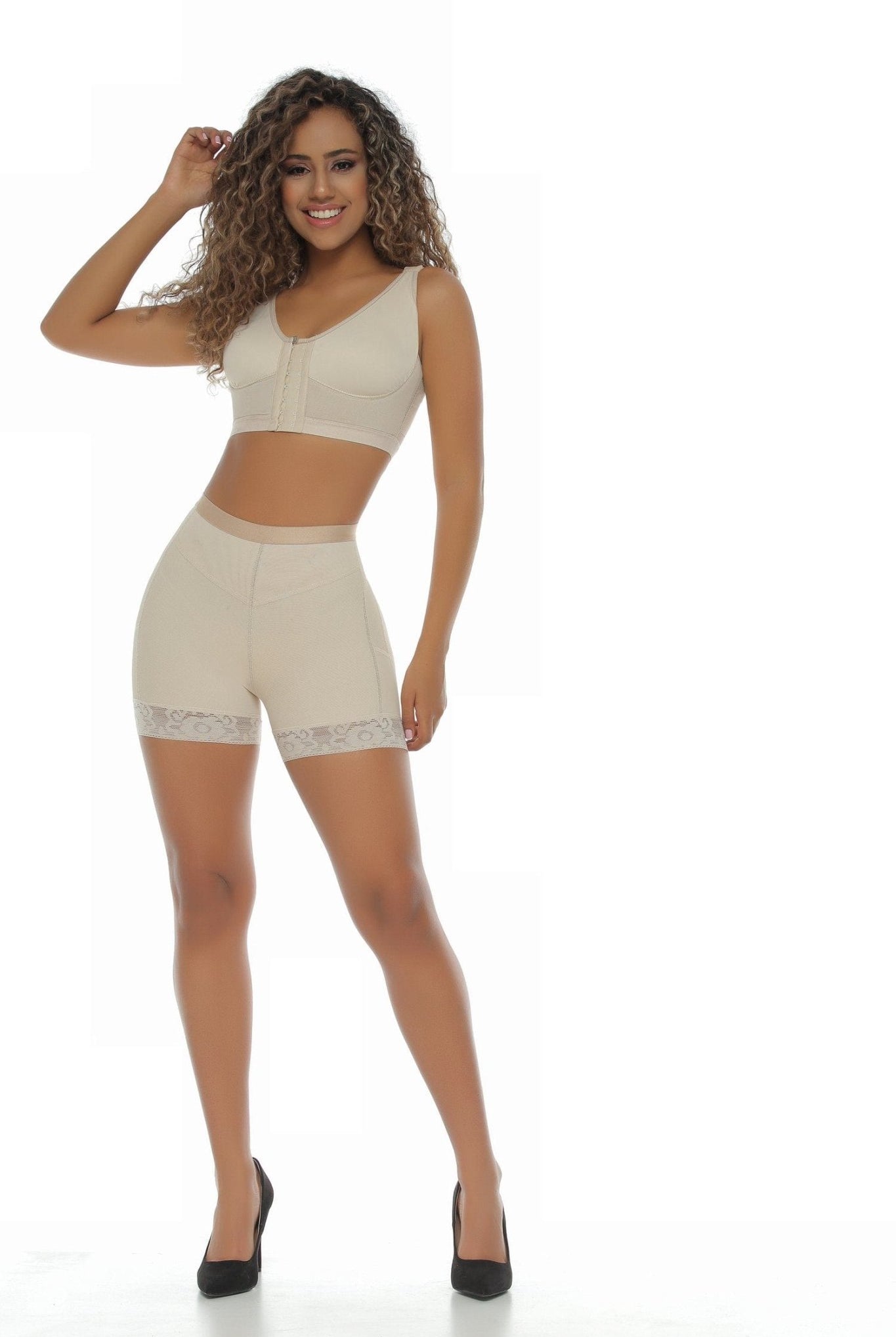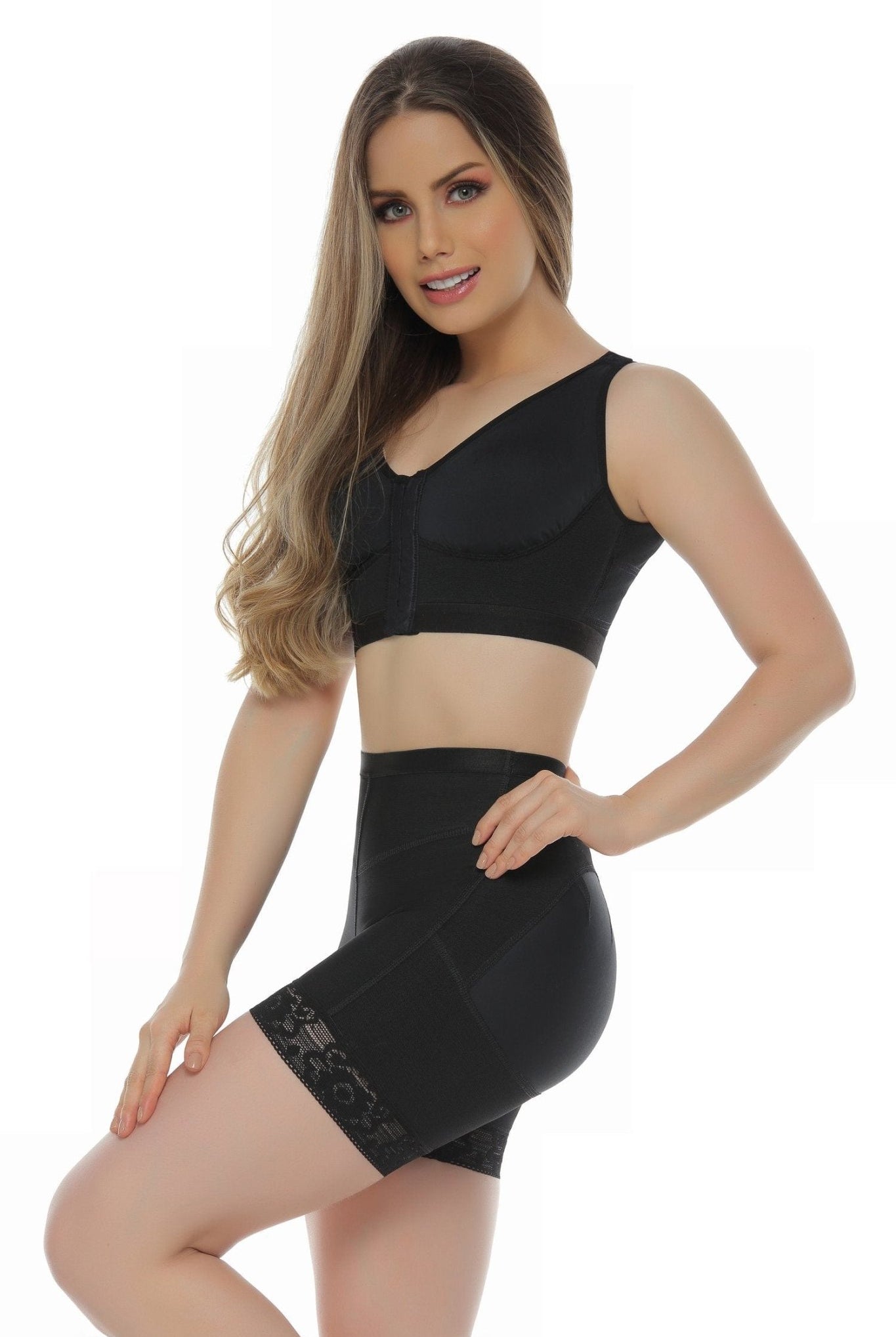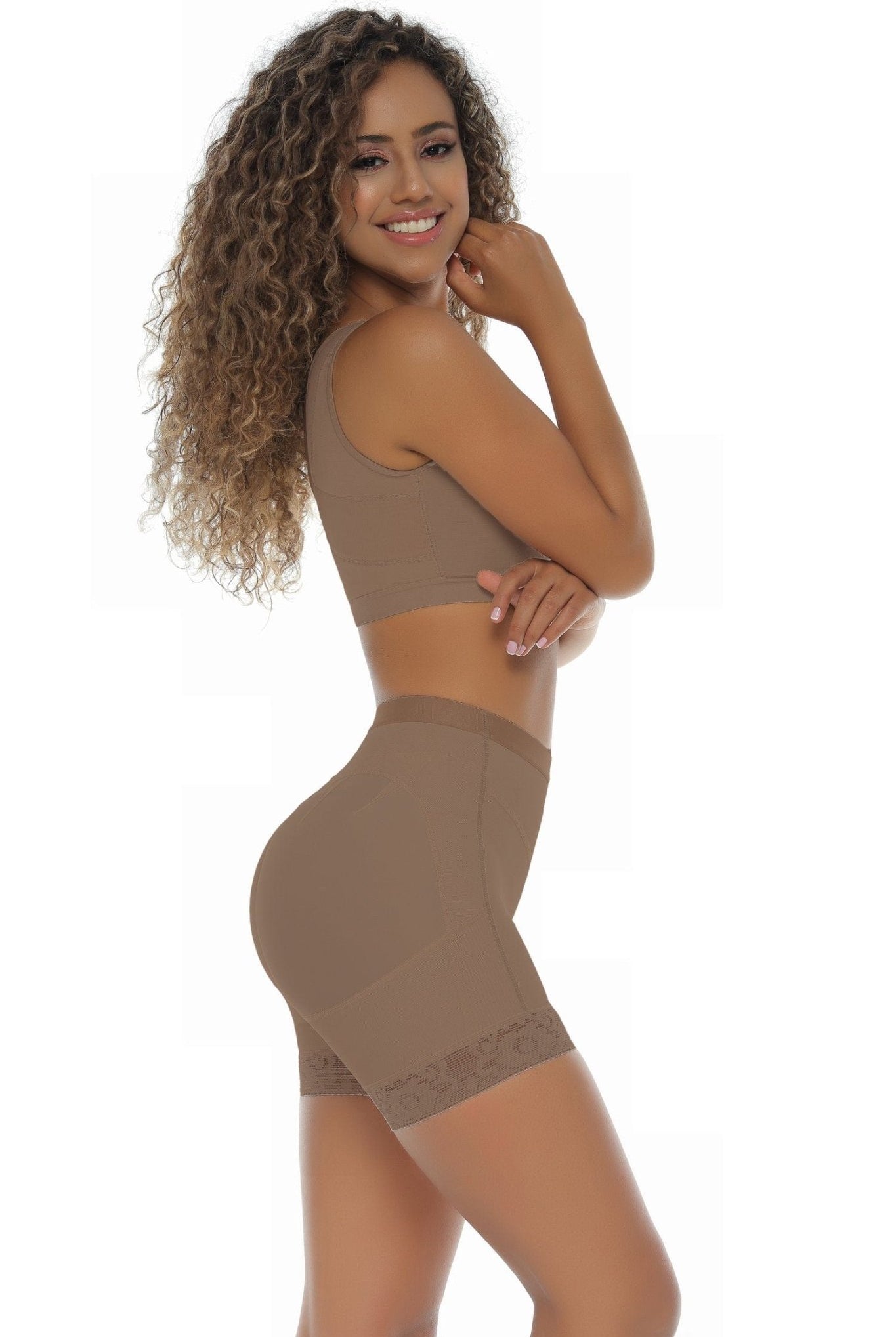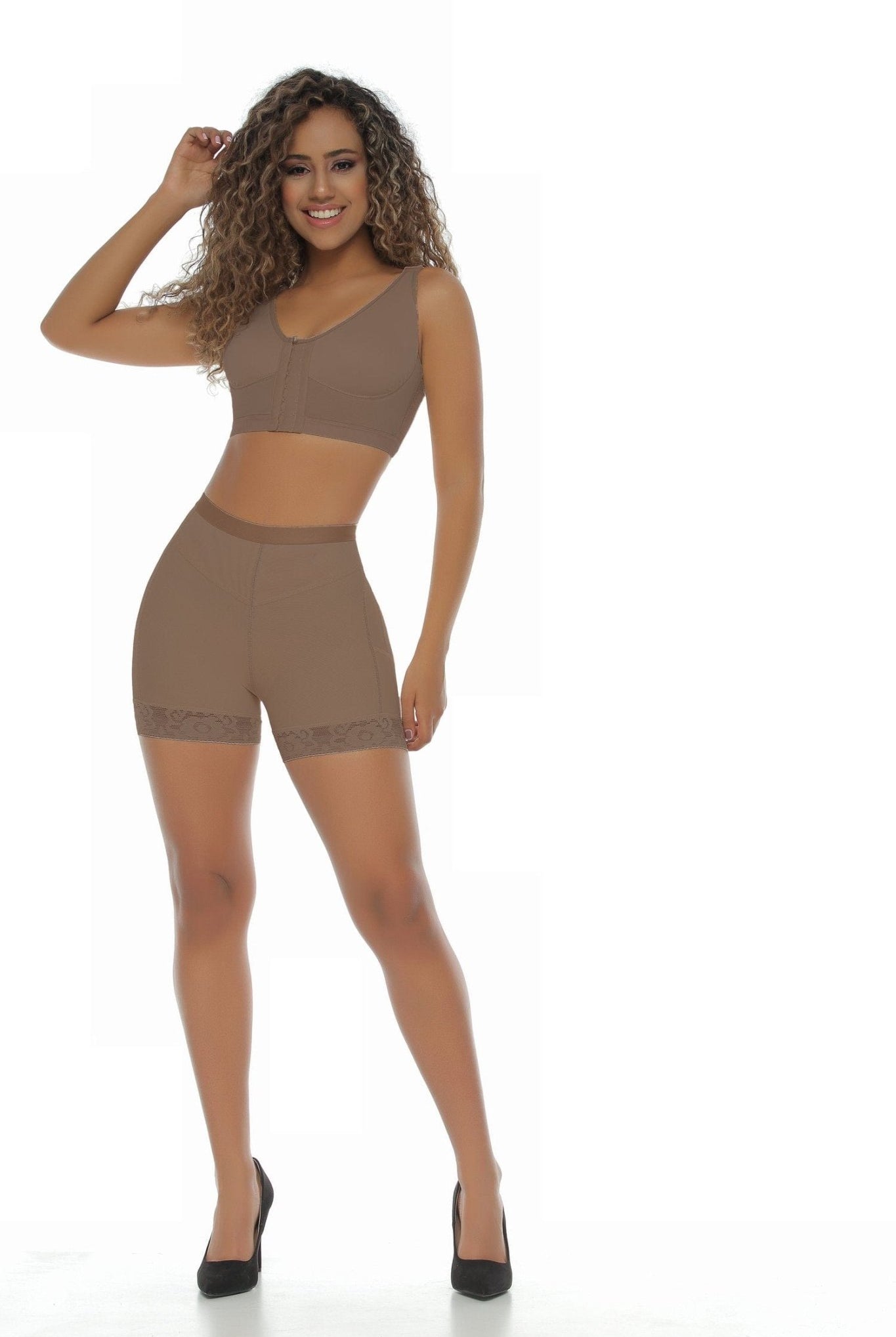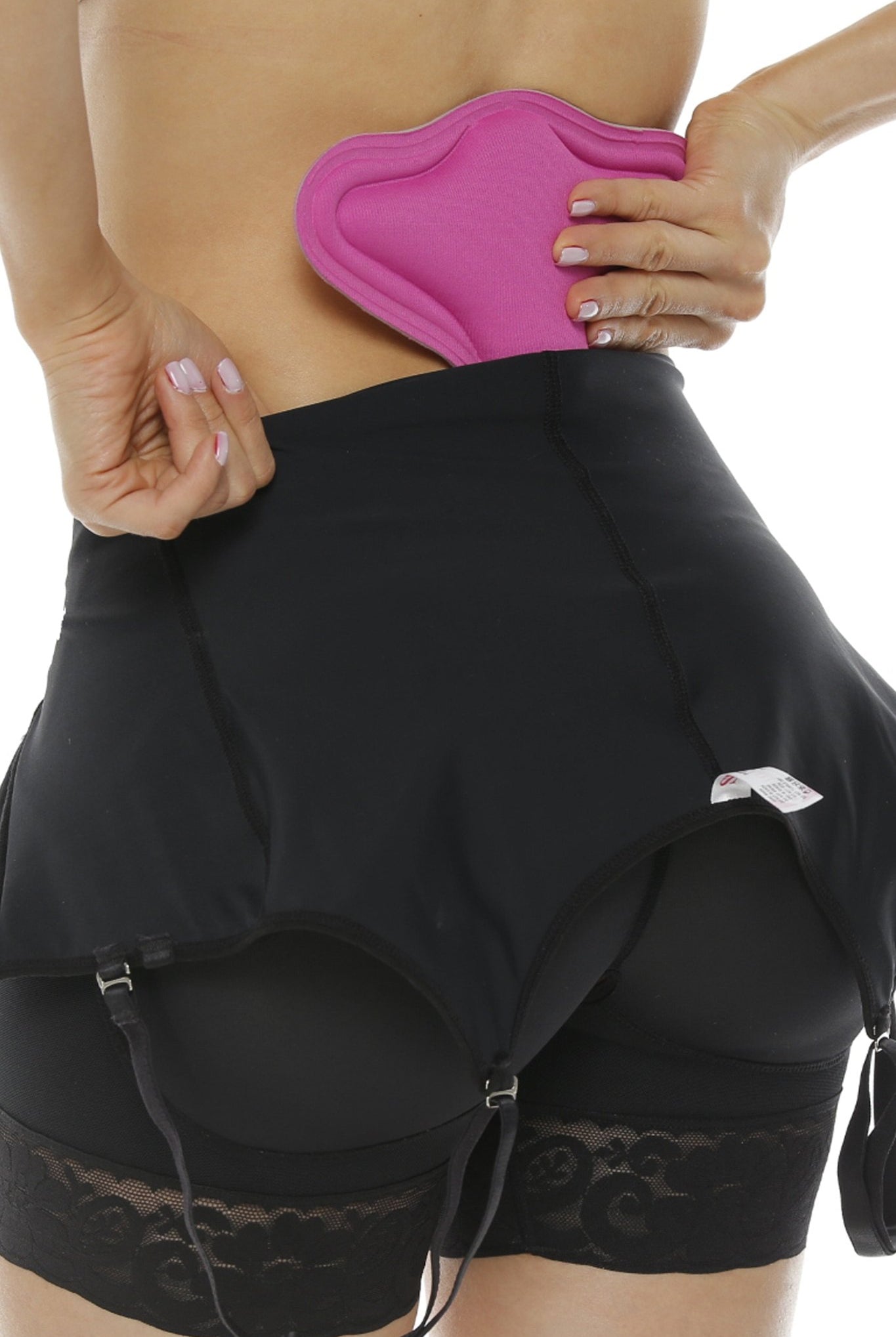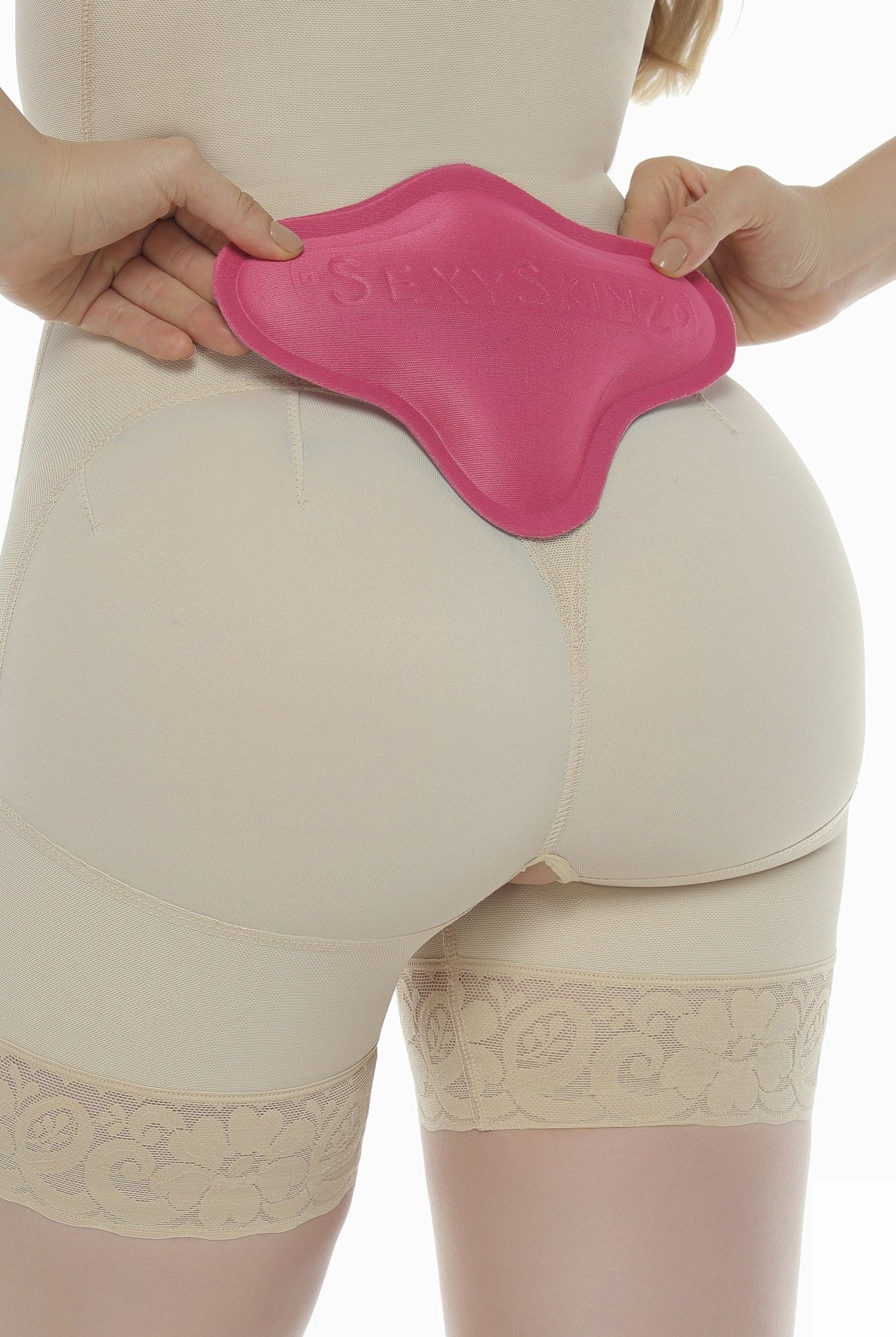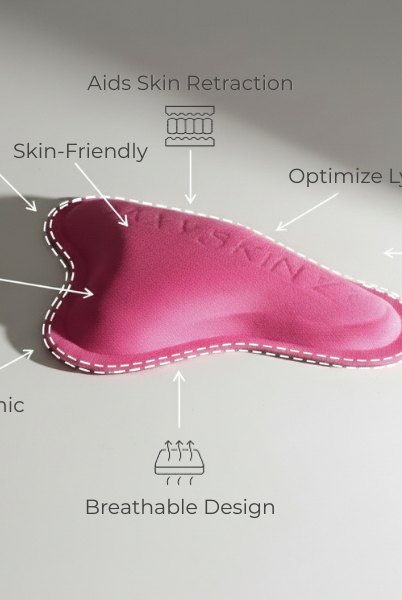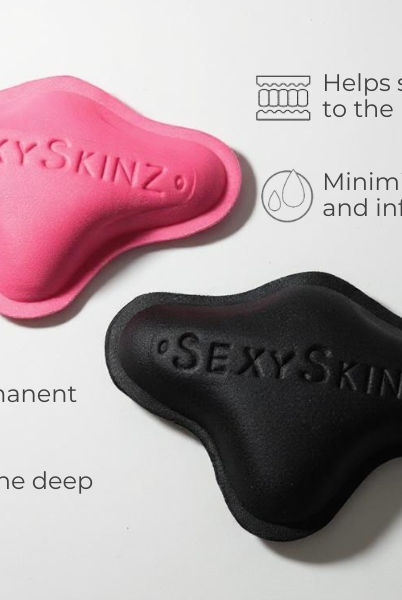

Let's be completely real: fajas are everywhere right now. Between viral social media videos and plastic surgery recovery groups, everyone is talking about them. But if you’ve never worn high-quality compression before, you probably have a lot of questions about how they actually work, whether they are safe for daily use, and what they do to your body.
Here is the straightforward truth about what a faja does, how to use it safely, and how to pick the right one for your specific goals.
What Exactly is a Faja?
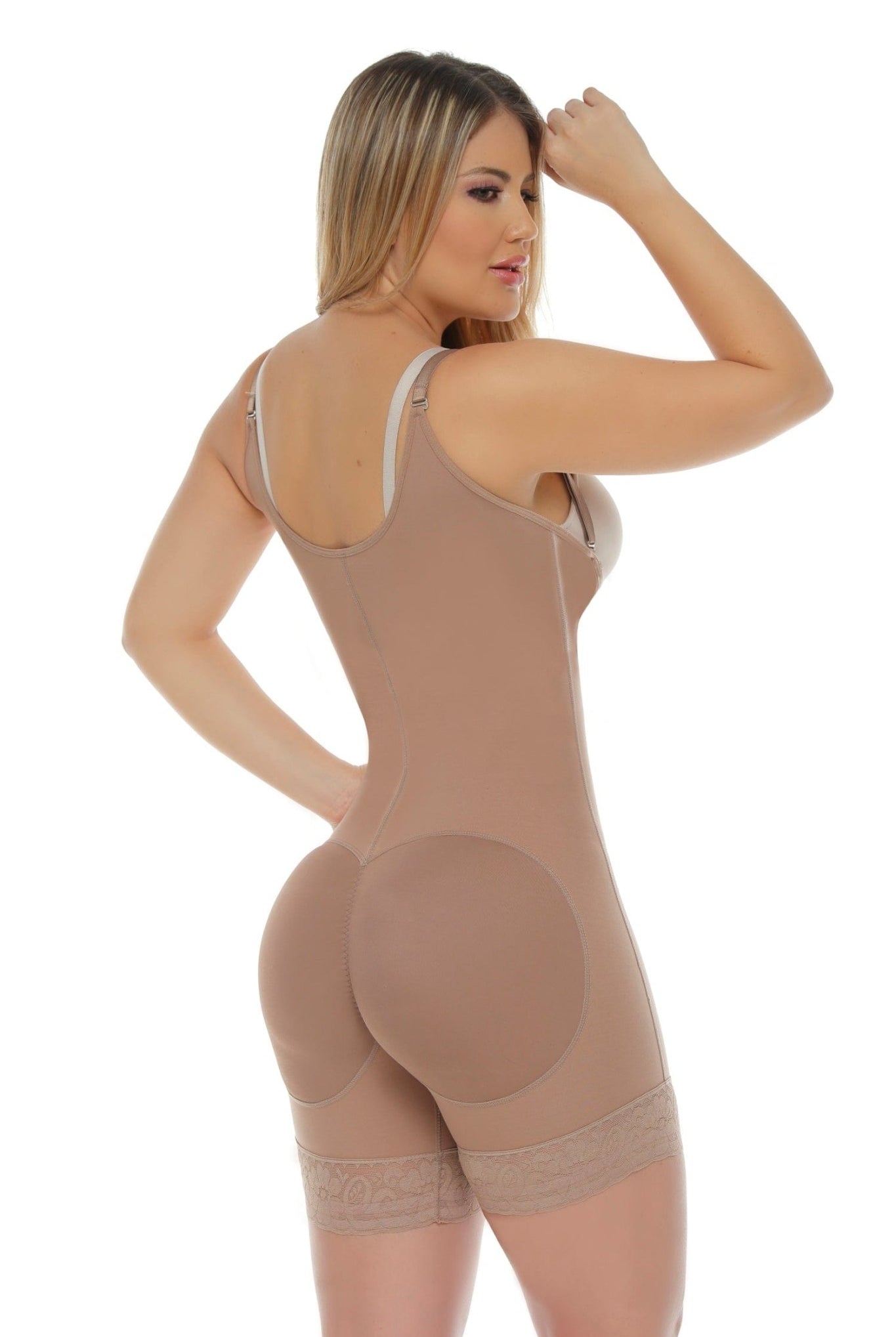
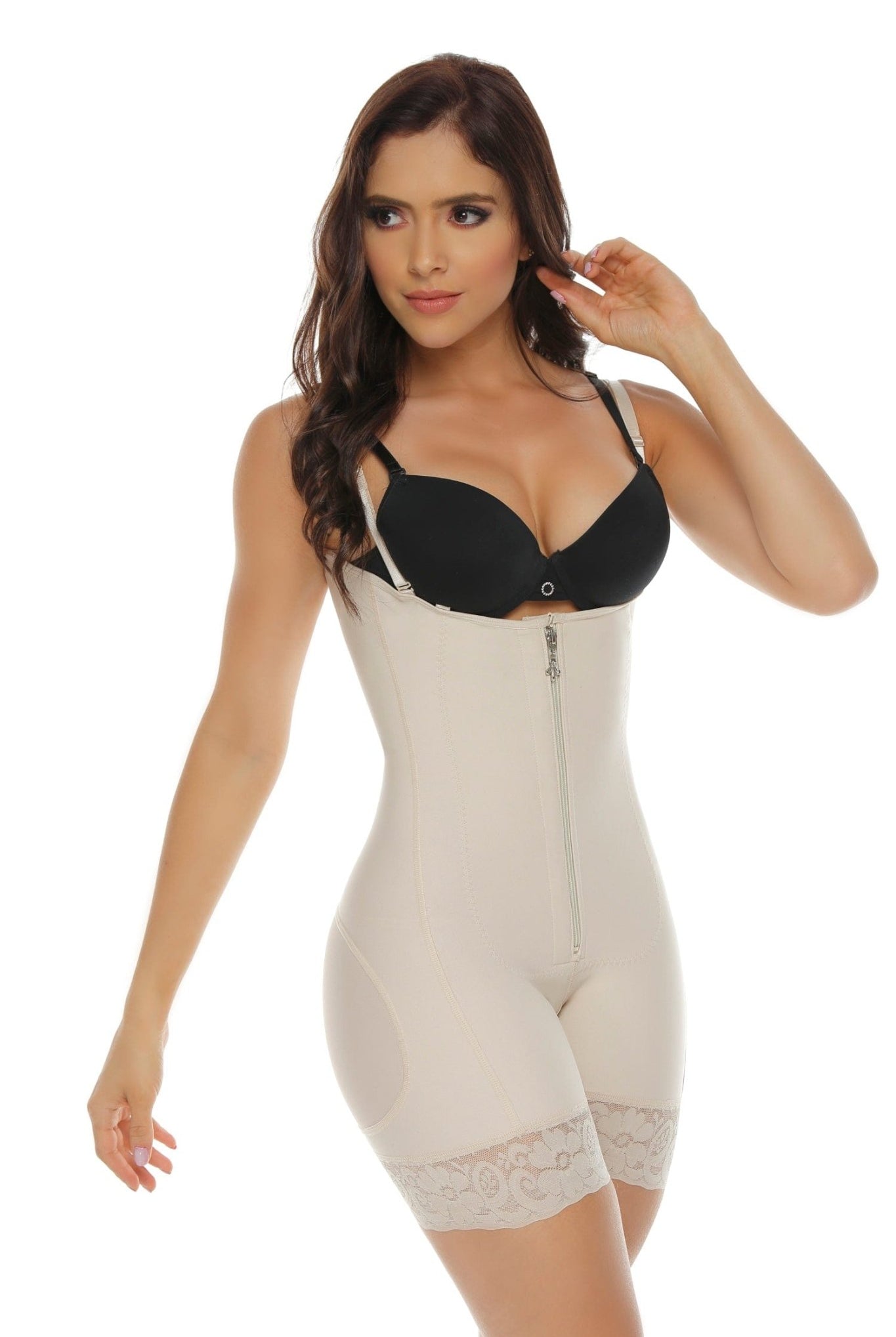
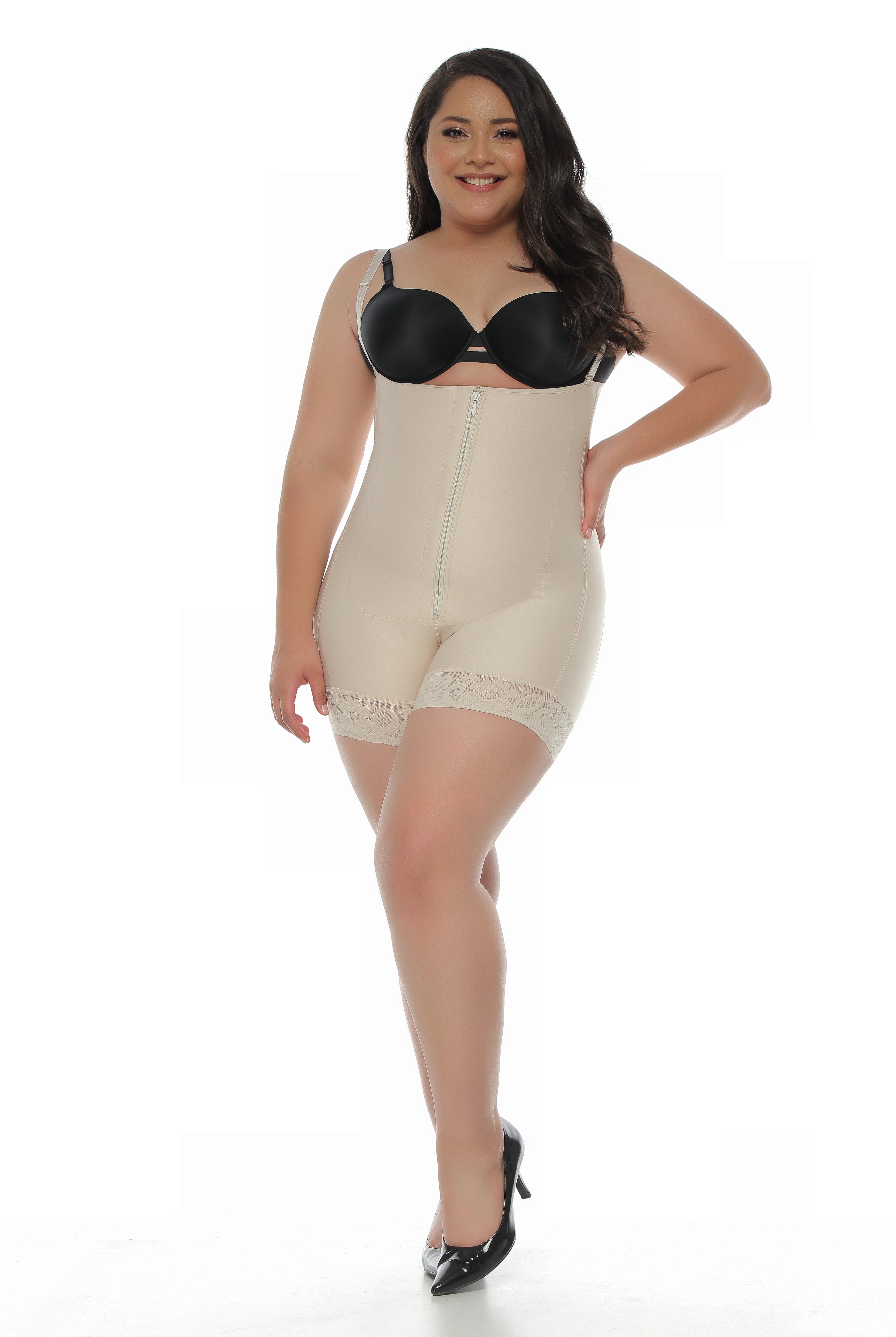
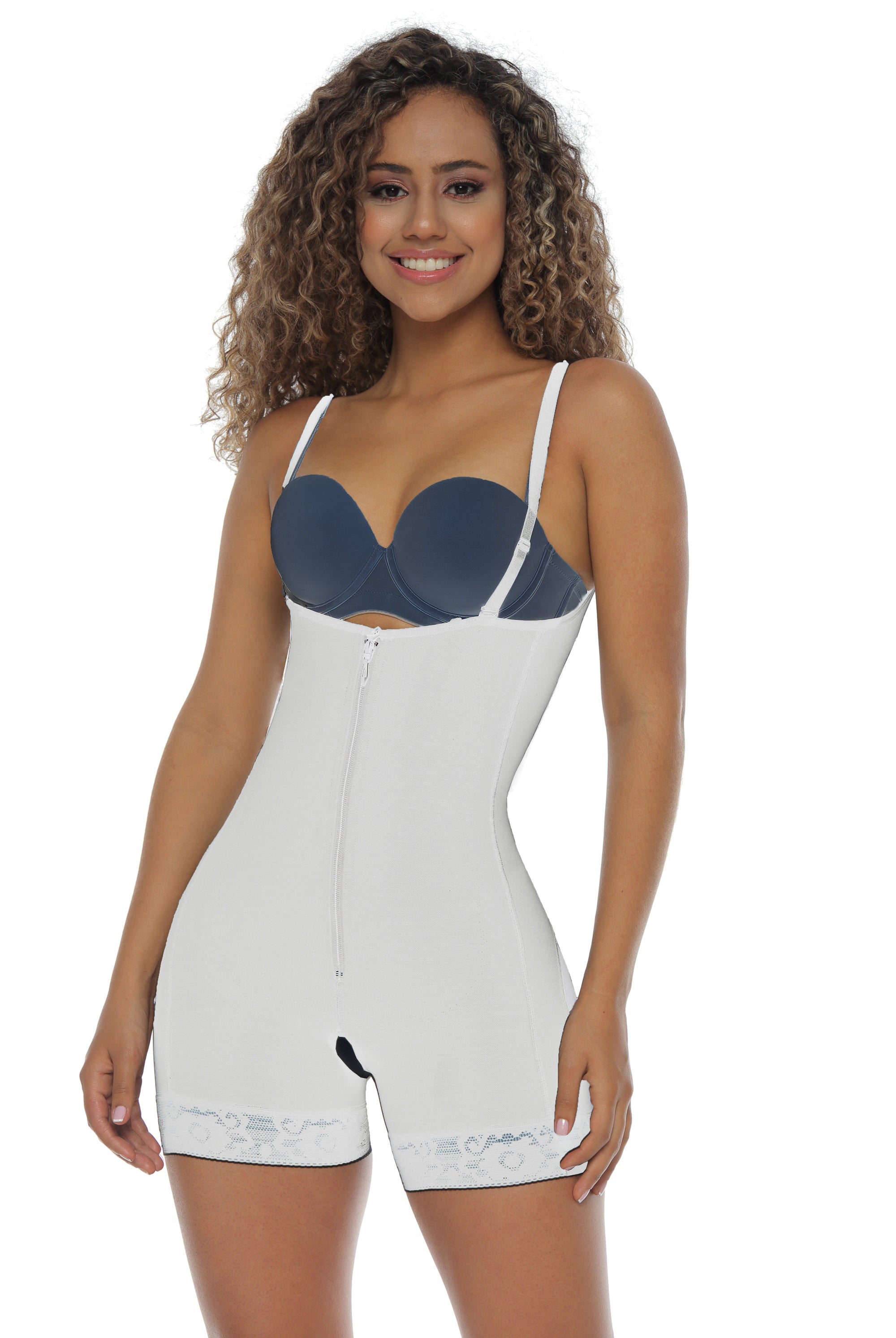
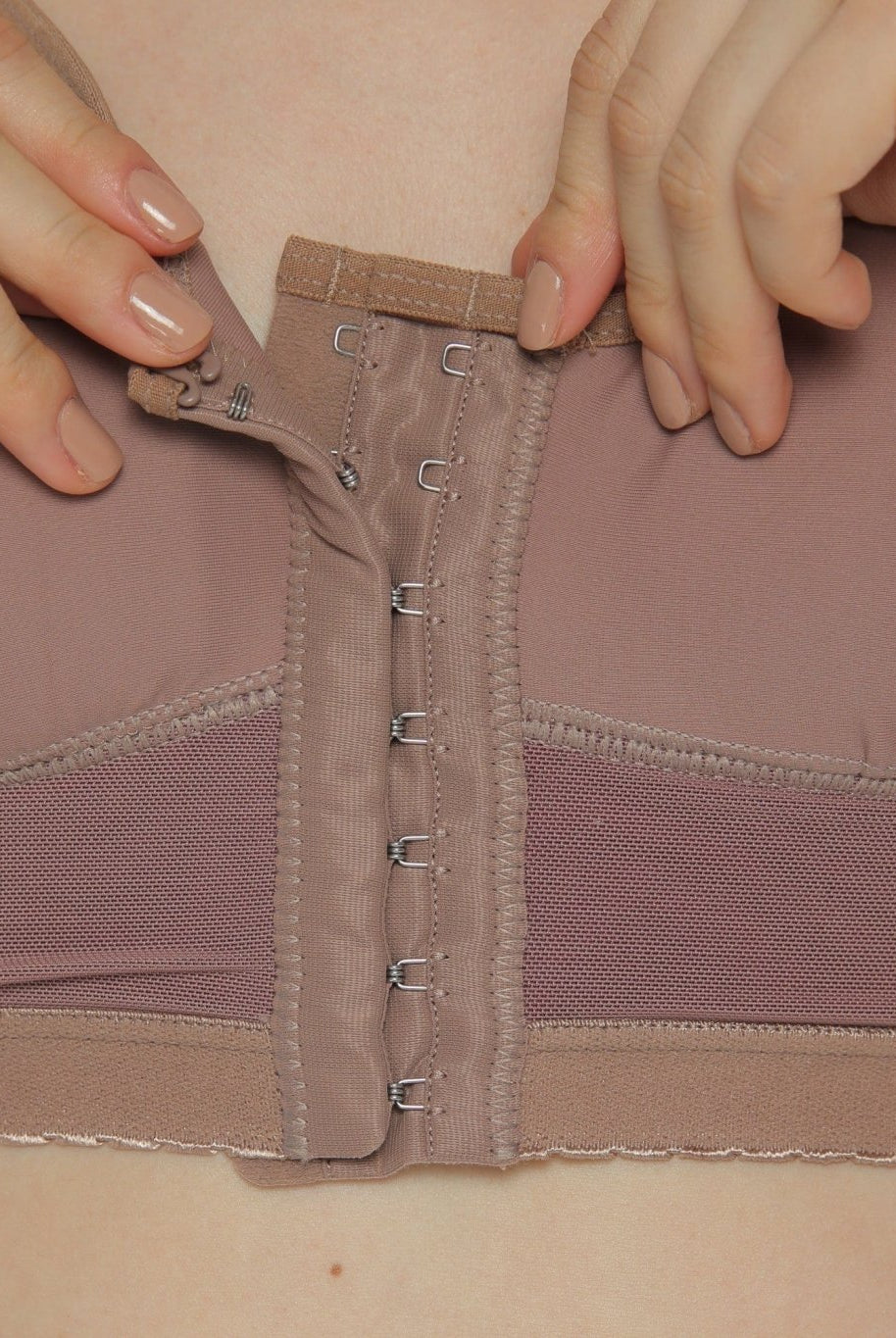
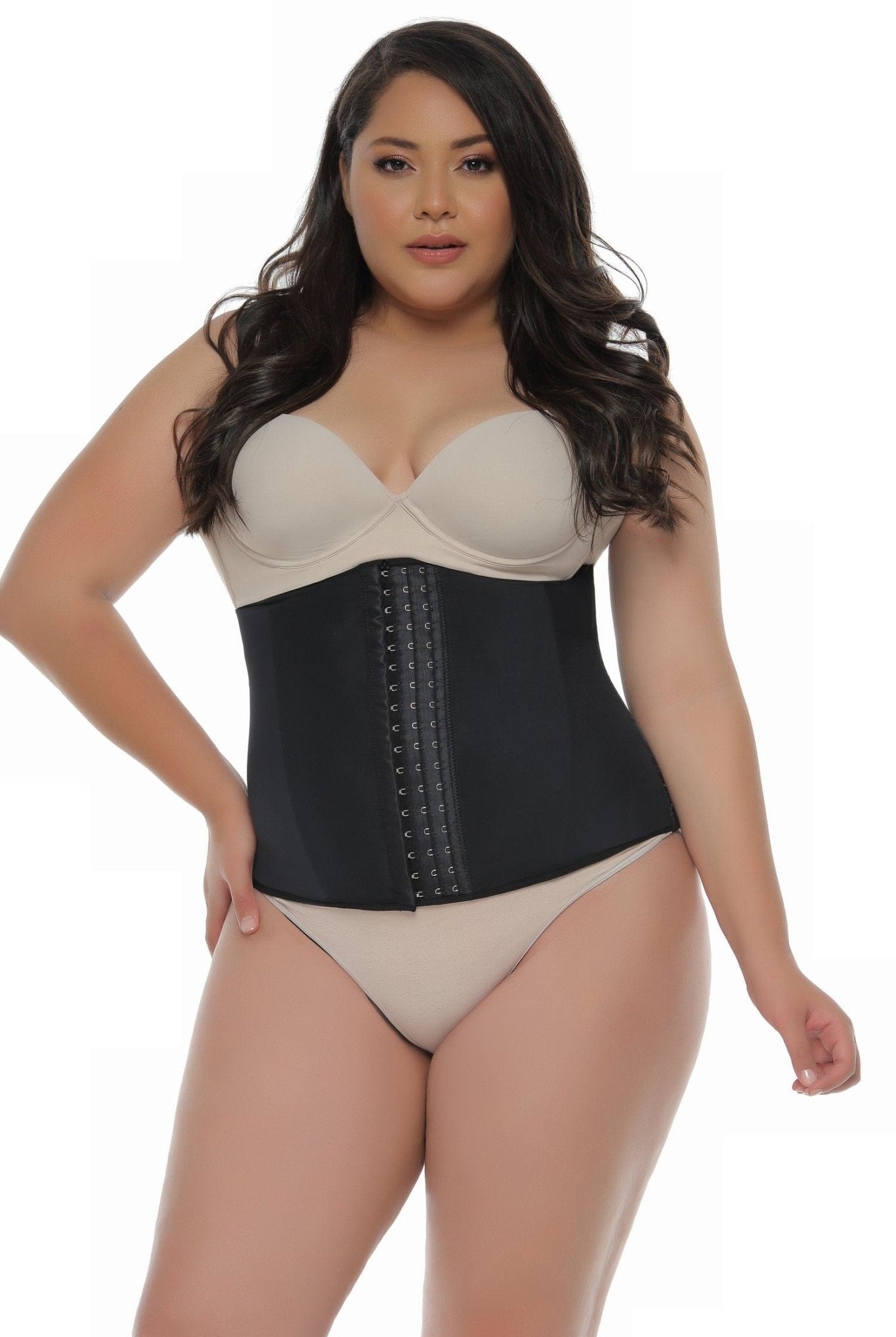
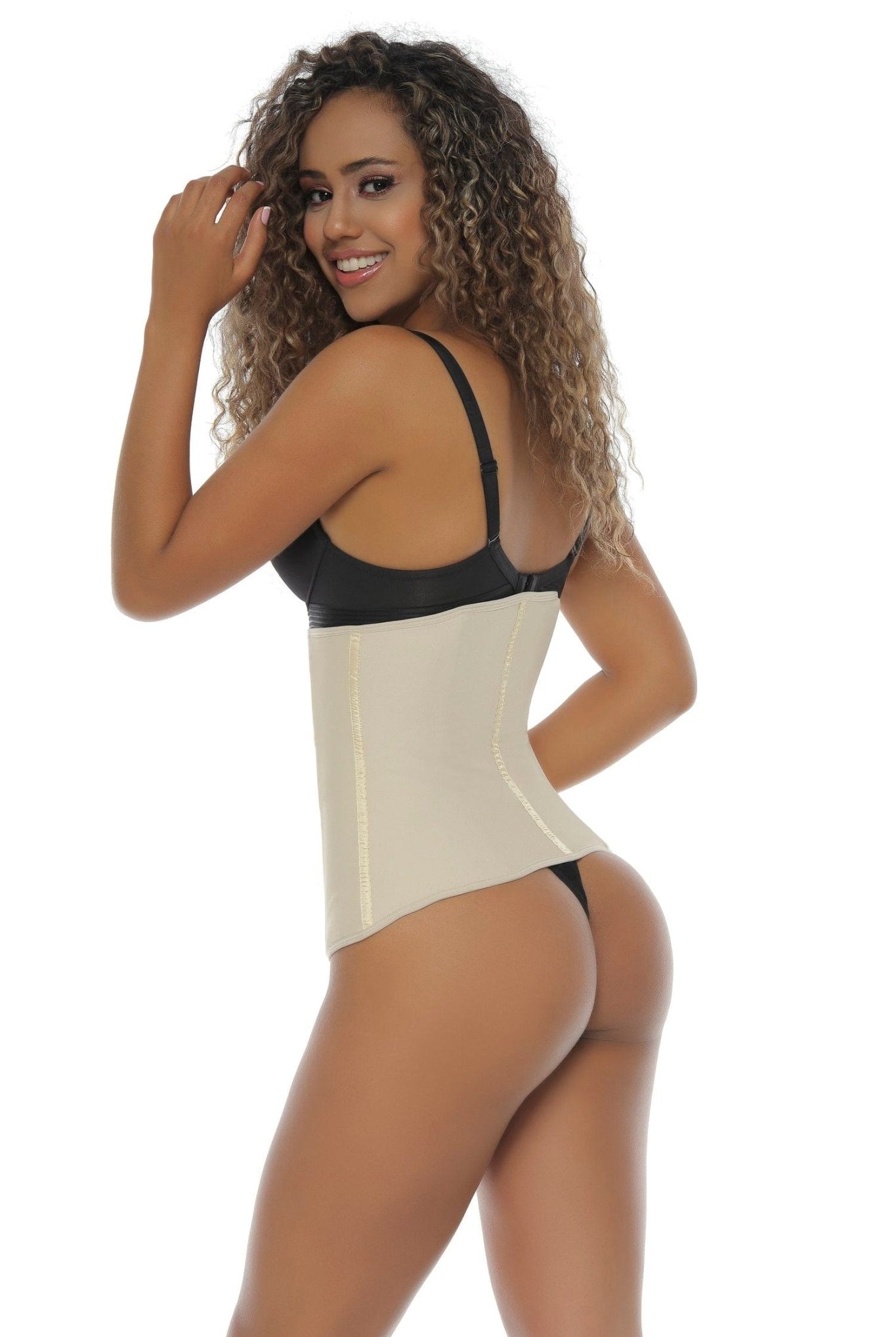
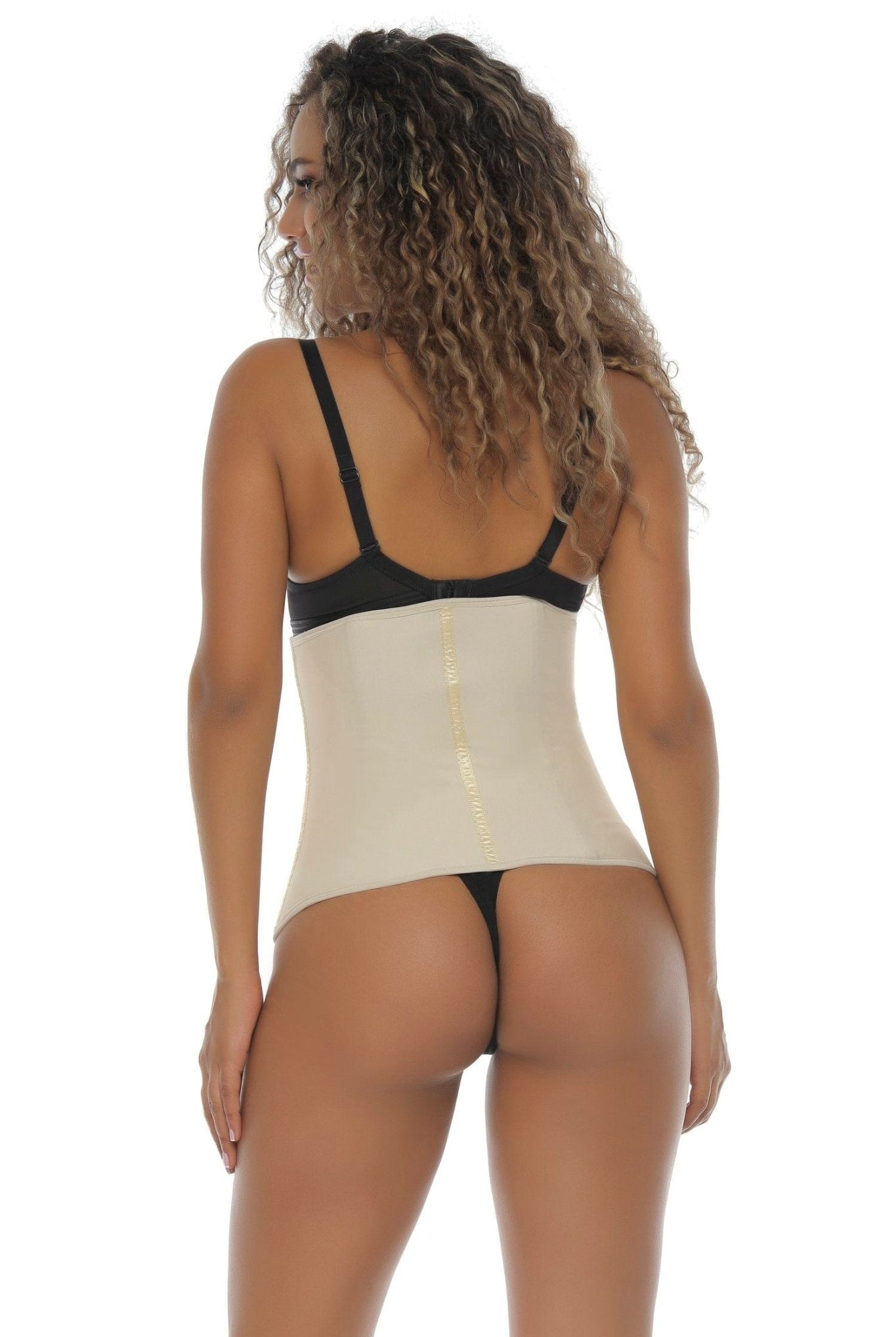
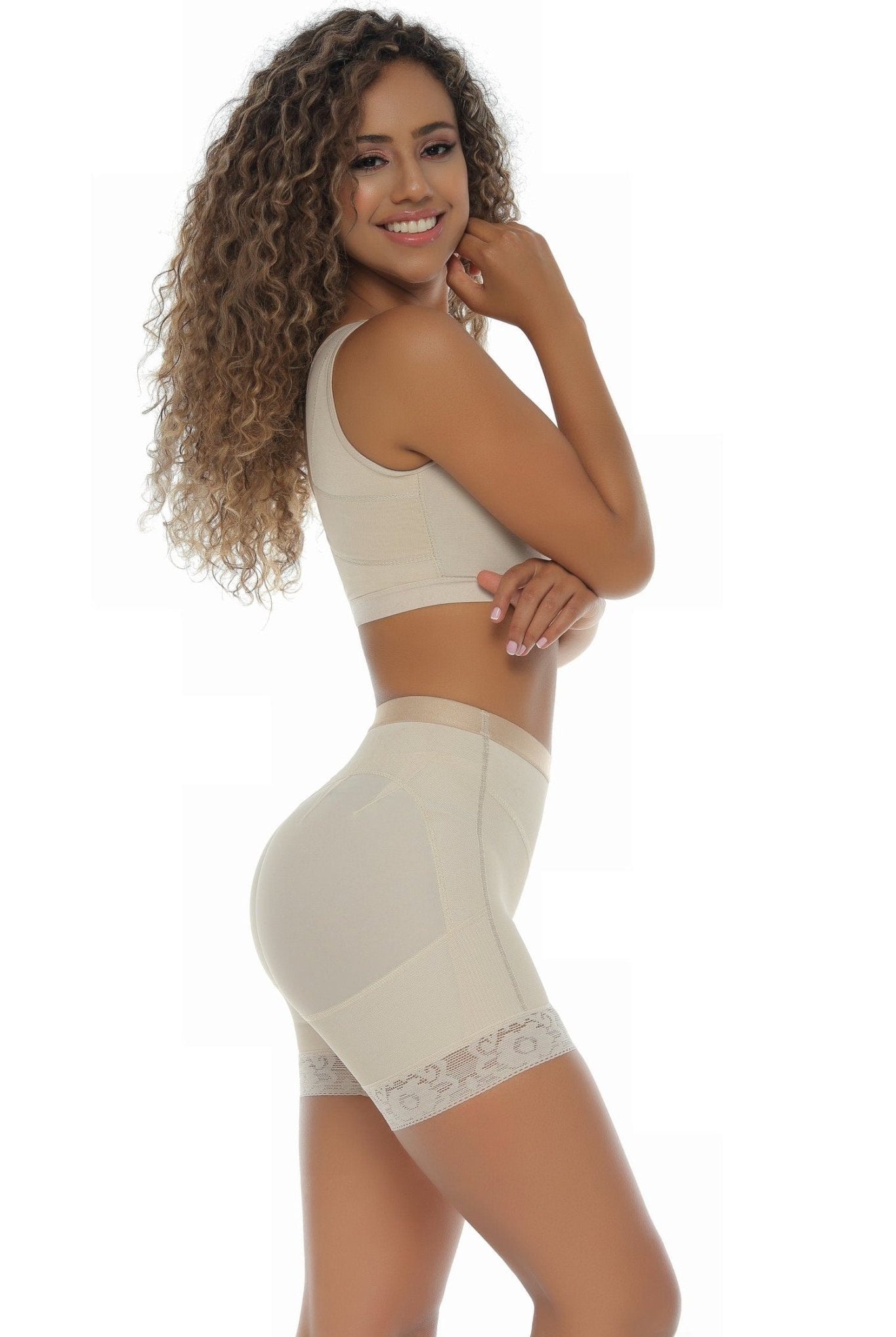
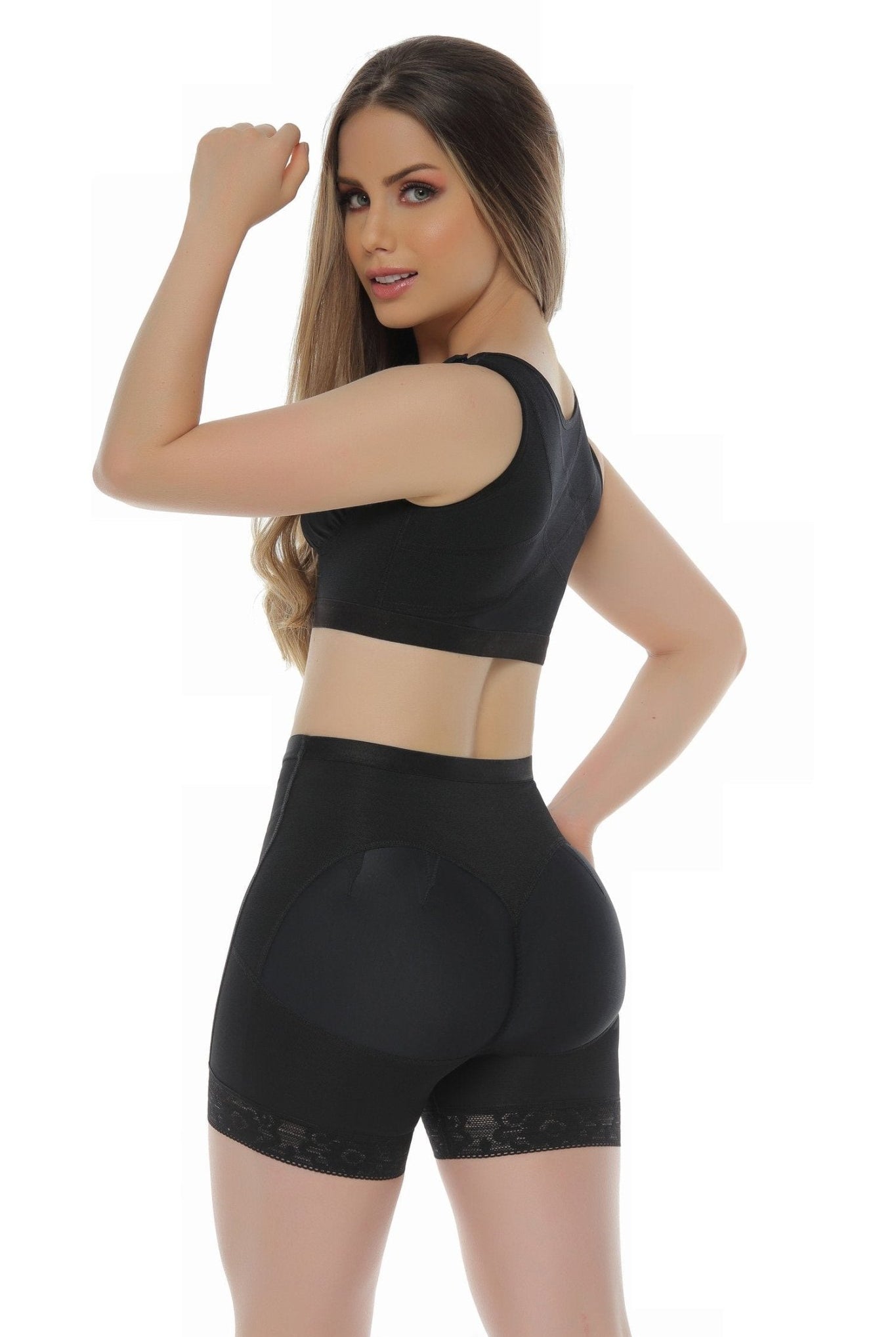
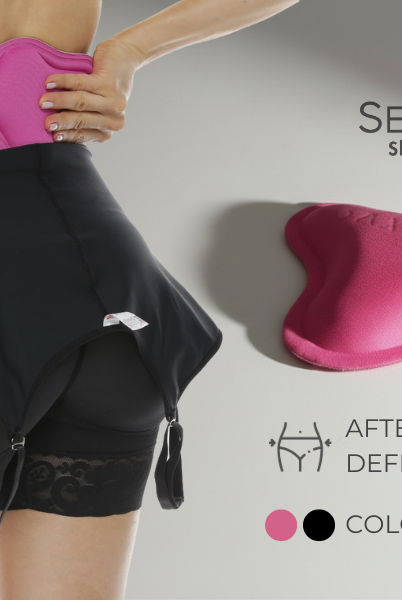
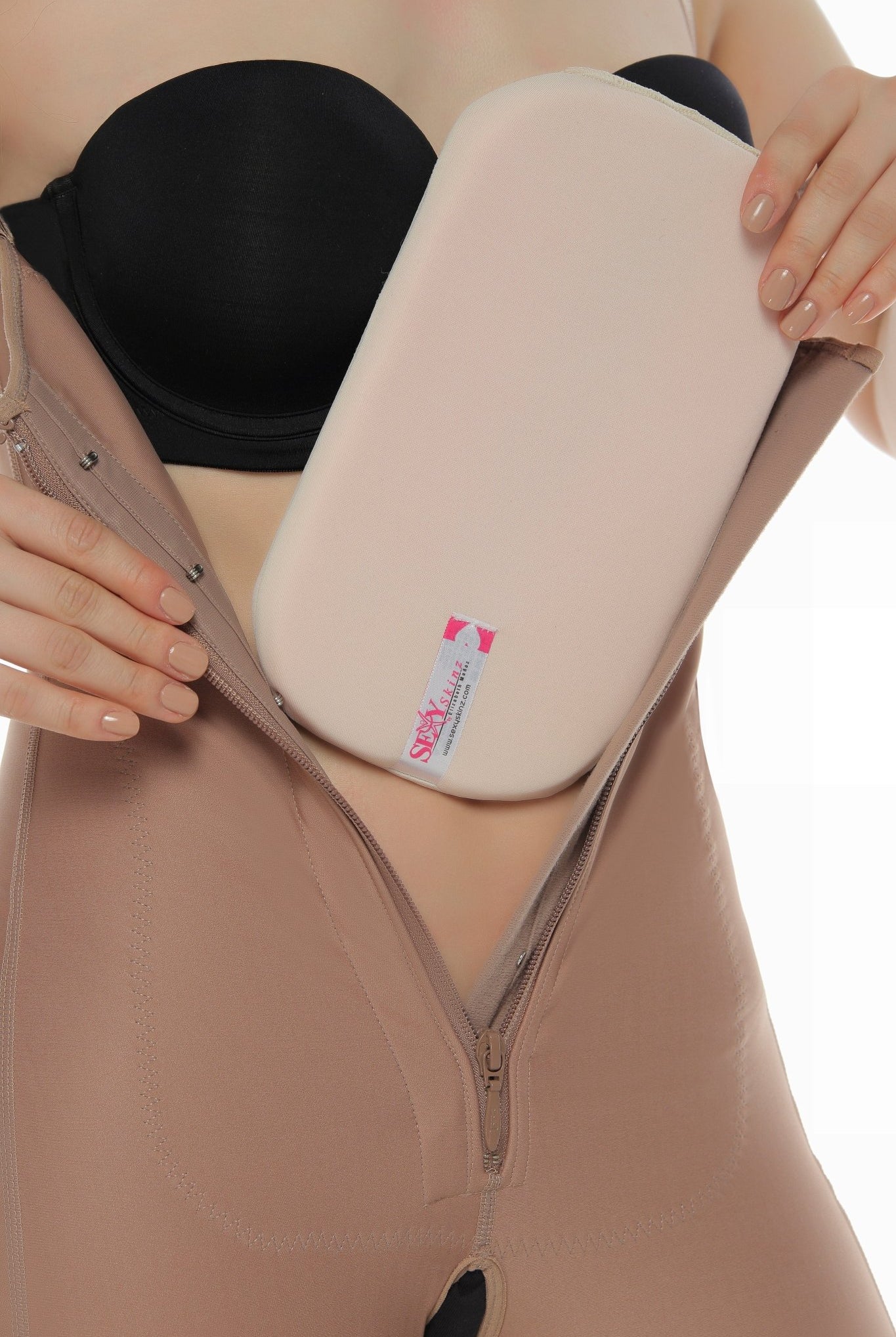
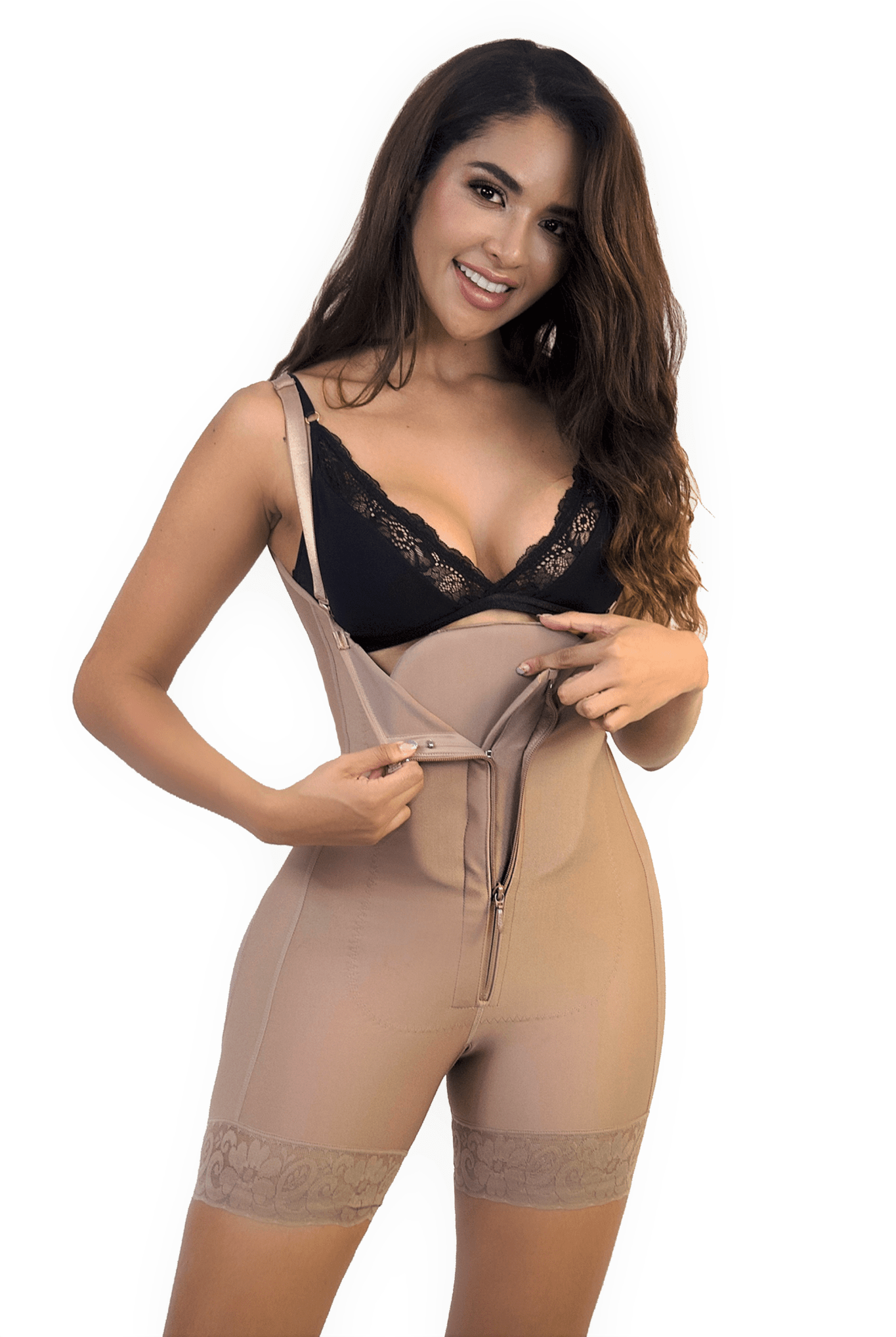
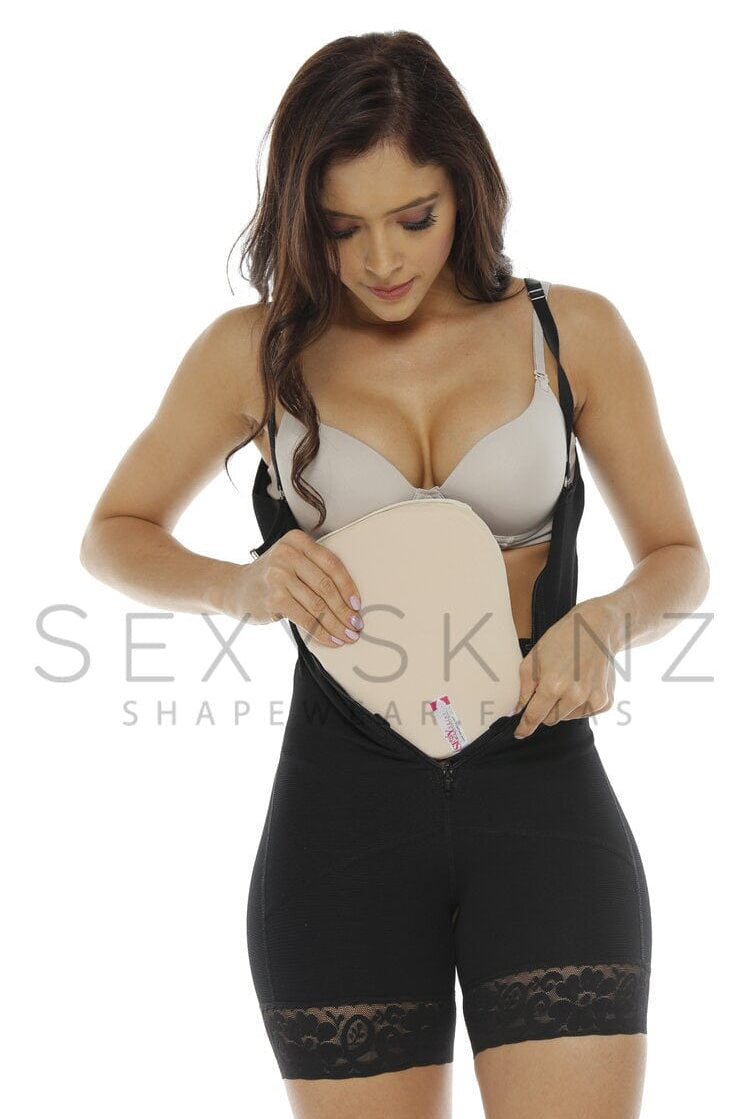
A faja is a specialized, high-compression garment designed to firmly mold your midsection, hips, and thighs. While regular fashion shapewear just smooths out a few lines under a dress, an authentic Colombian faja uses heavy-duty, medical-grade fabrics to physically hold your tissues in place, support your spine, and dramatically reshape your silhouette.
What Does a Faja Actually Do to Your Body?
When you put on a high-compression garment, it doesn't just push things around randomly. It applies uniform pressure across your core, which does a few specific things:
-
Creates Instant Contour: It physically pulls in the waist and flattens the stomach, giving you an immediate hourglass shape.
-
Forces Better Posture: The compression wraps tightly around your lumbar area, making it almost impossible to slouch. This instantly relieves lower back pressure.
-
Reduces Fluid Retention: If you just had surgery (like lipo, a tummy tuck, or a BBL), your body naturally sends fluid to the traumatized areas. The faja squeezes that fluid out, preventing swelling and hard lumps from forming.
-
Promotes Muscle Memory: For daily wear, consistent compression acts as a gentle reminder to keep your core engaged, helping your body get used to holding a tighter shape.
Everyday Shapers vs. Post-Op Fajas: What’s the Difference?
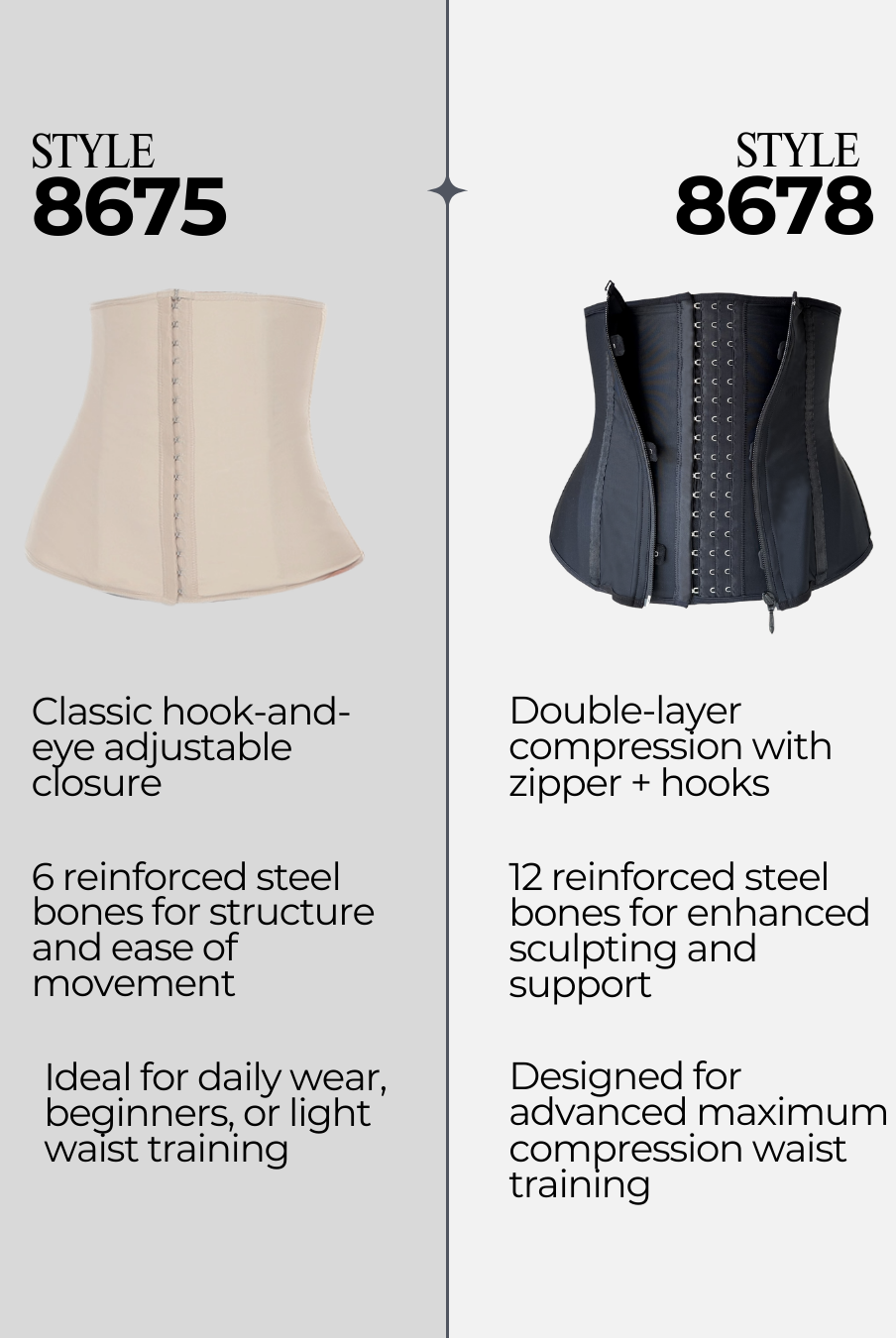
You can't wear the same garment for a grocery run that you would wear fresh out of a surgical center. Sizing and fabric choice depend entirely on your situation.
| Your Goal | What You Need | How It Works |
| Daily Waist Snatching | Medium-to-high flexibility faja | Comfortable enough to wear for 8 hours at work. It smooths the back and waist without restricting your breathing. |
| Stage 1 Post-Op (Weeks 1-3) | Low-to-medium variable compression | Worn 24/7 right after surgery. It’s designed to be gentle on fresh incisions while managing intense swelling. |
| Stage 2 Post-Op (Weeks 4-8+) | Ultra-high compression (Powernet fabric) | This is where the real sculpting happens. It aggressively forces the skin to tighten down against the muscle after fat removal. |
Are Fajas Safe to Wear Every Day?
Yes, but you have to use common sense. A faja should feel like a firm, tight hug—it should never bruise your skin, make you dizzy, or cut off your circulation.
If you are wearing a faja for daily body shaping, start slow. Wear it for 2 to 3 hours a day to let your body adjust, and then gradually build up to 6 or 8 hours. Never sleep in a high-compression daily shaper unless it is a specific, low-compression Stage 1 post-op garment cleared by your doctor.
Do They Provide Permanent Results?
A faja is a powerful tool, but it isn't magic. It provides an immediate transformation the second you put it on, and it helps train your posture and skin placement over time. However, for permanent, long-term changes, you need to pair daily wear with a healthy lifestyle, proper hydration, and a solid nutrition plan. Think of the faja as the mold that holds your hard work in place.
The SexySkinz Checklist: How to Choose Yours
When you’re investing in your body, cheap knock-offs will only cause skin irritation and roll down your waist. Look for these specifics:
-
Authentic Colombian Powernet: This is the mesh outer fabric that gives a faja its strength. If it doesn't have Powernet, it won't hold you in for long.
-
Hypoallergenic Linings: The inside should be incredibly soft (like cotton or smooth microfiber) to protect your skin from sweat and friction.
-
The Right Size: Never buy a size smaller thinking it will make you look skinnier—it will just roll up, hurt, and sit in your closet. Trust the size chart.
Whether you're recovering from a life-changing procedure or just want to feel completely locked-in and confident in your favorite outfit, finding the right compression level is everything.