FAQ
We might have already read your mind. Use the search to find what you are looking for.
Post-Op Recovery FAQ: Stage 1 vs Stage 2 Fajas
What is a Stage One Faja ?
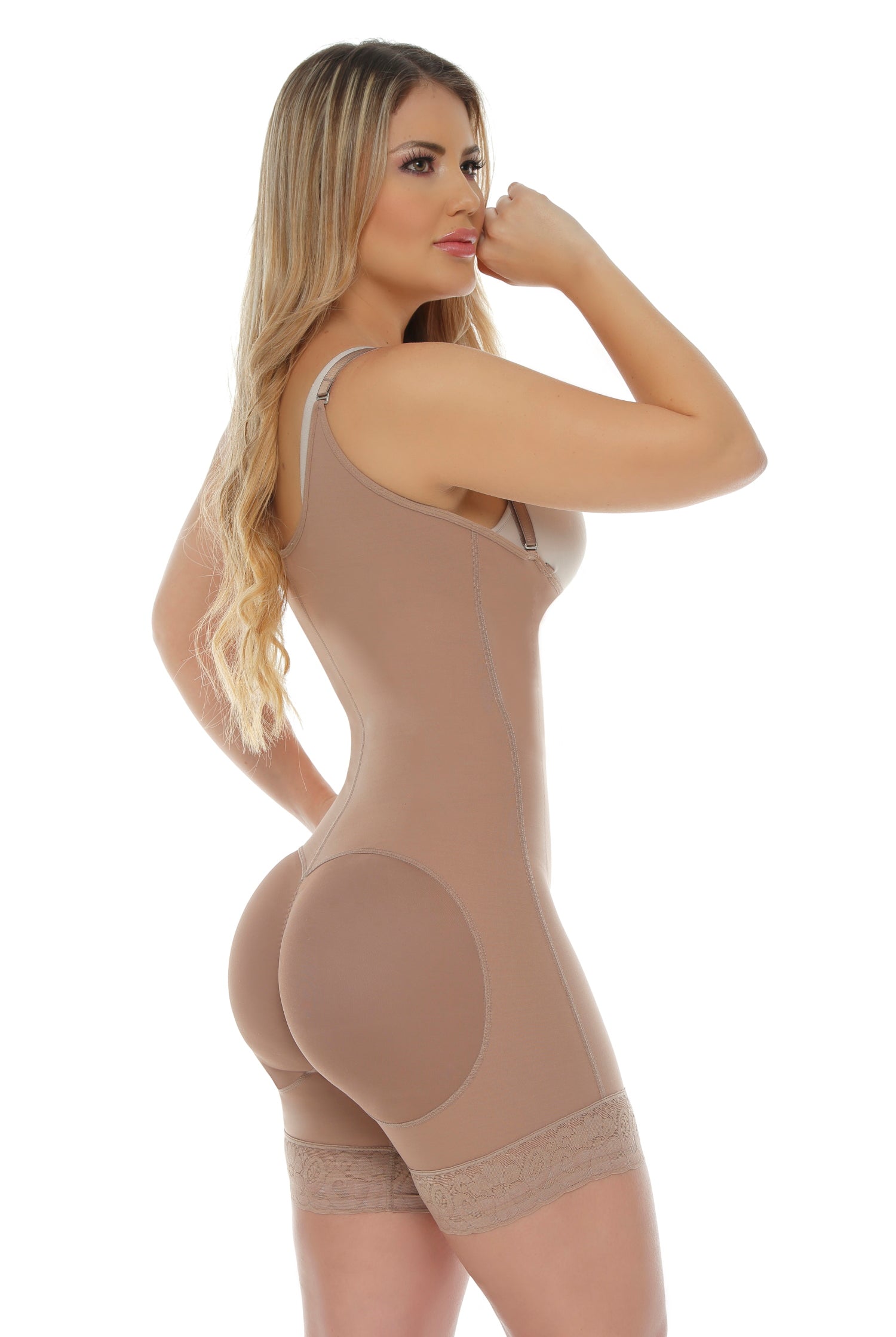
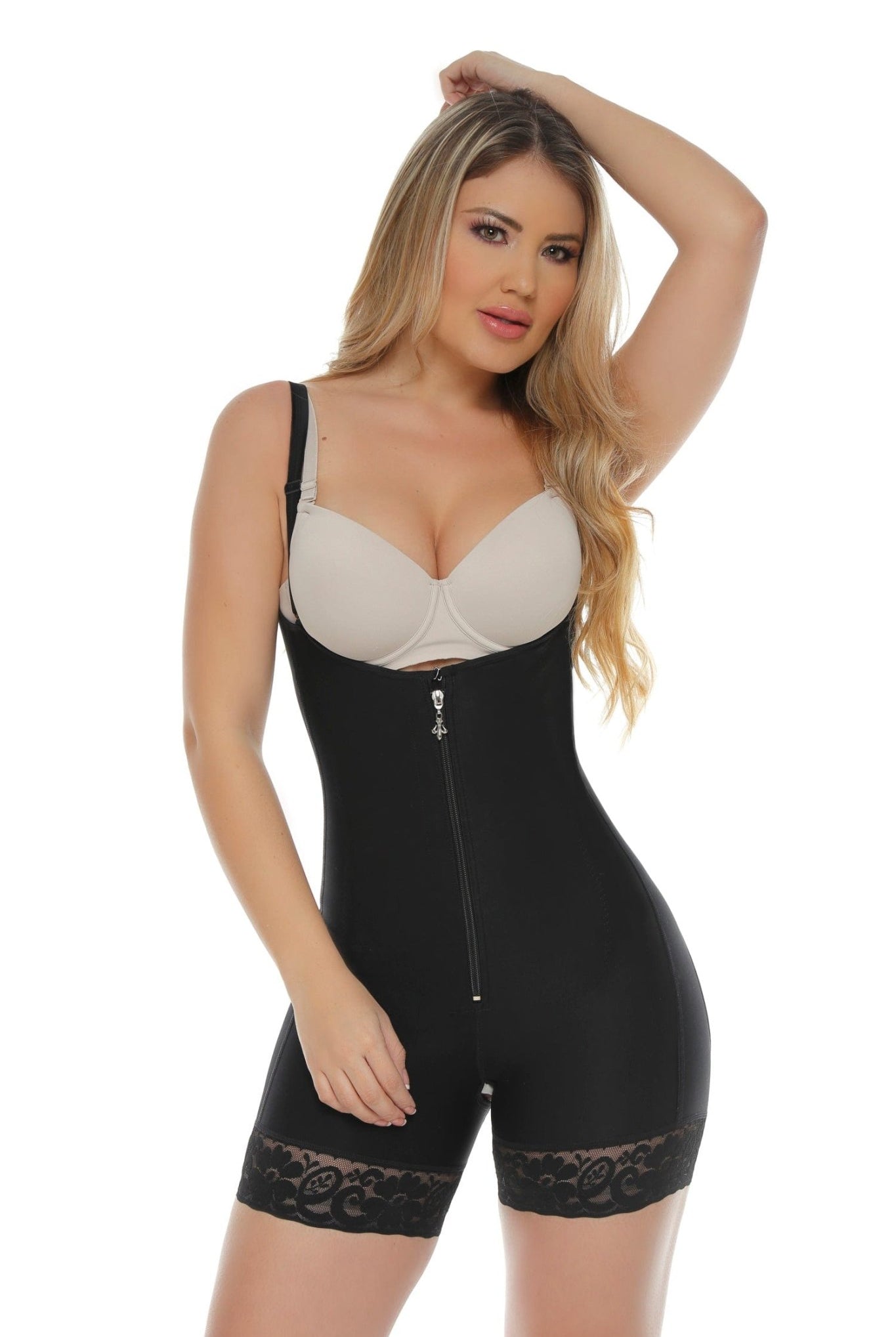
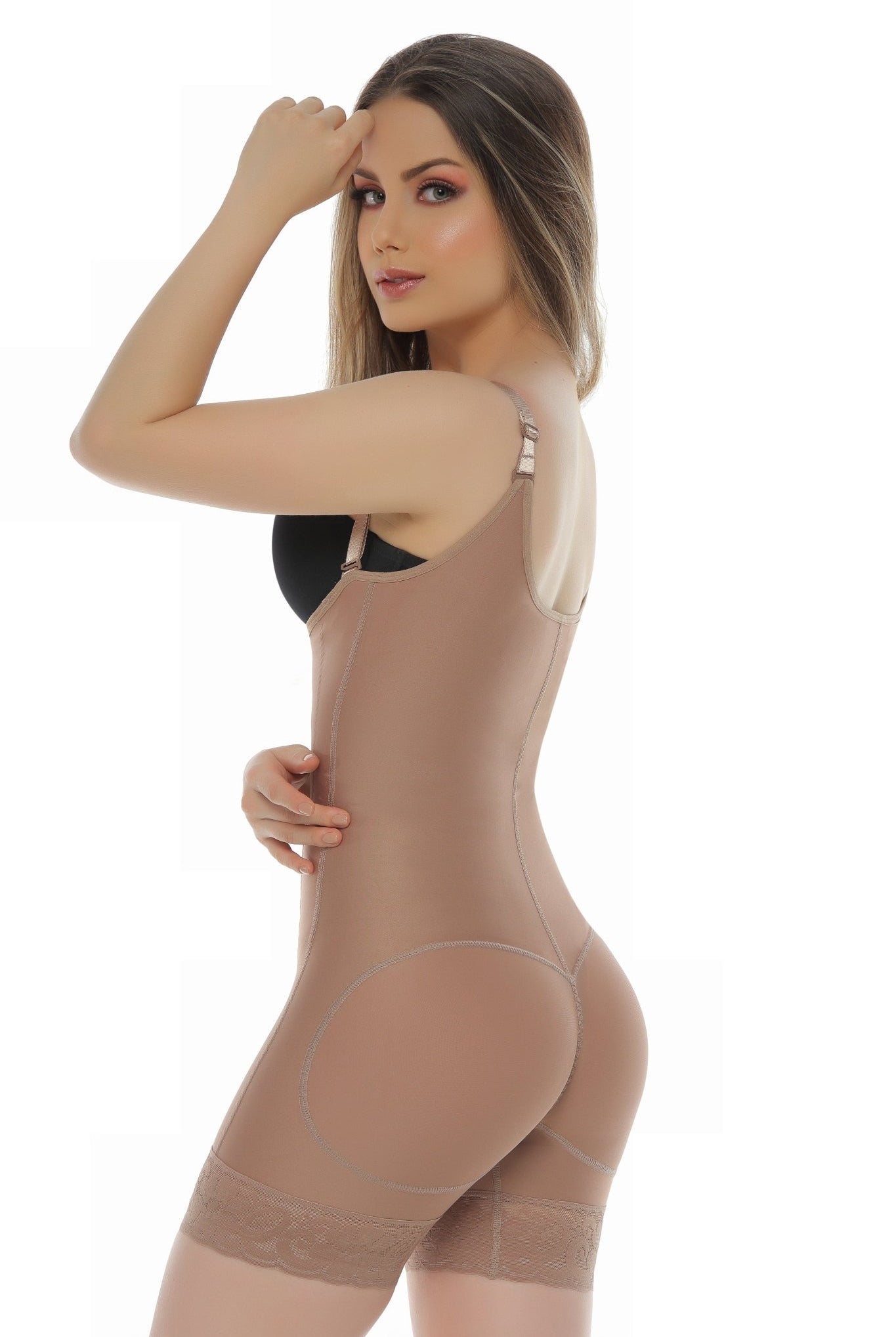
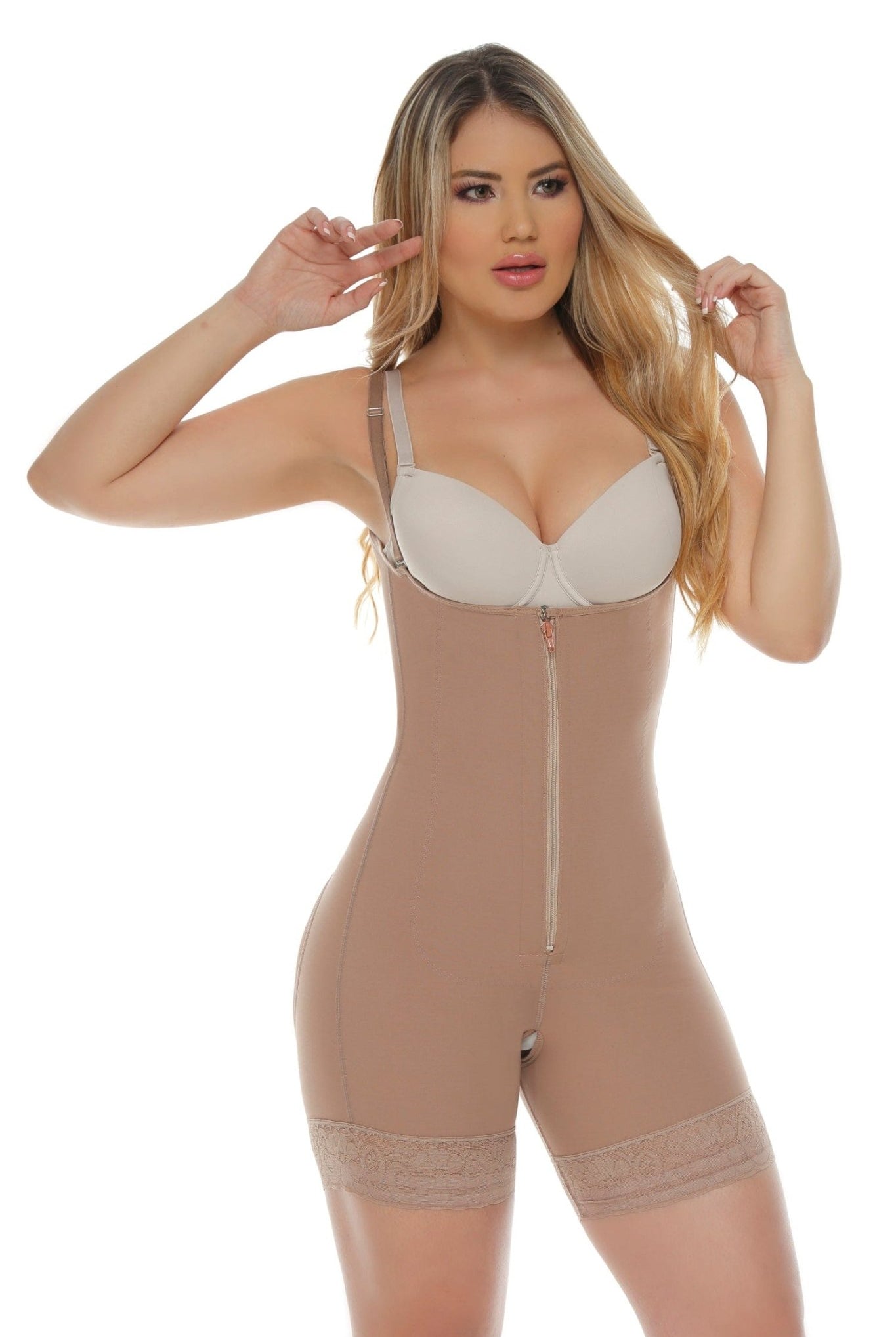
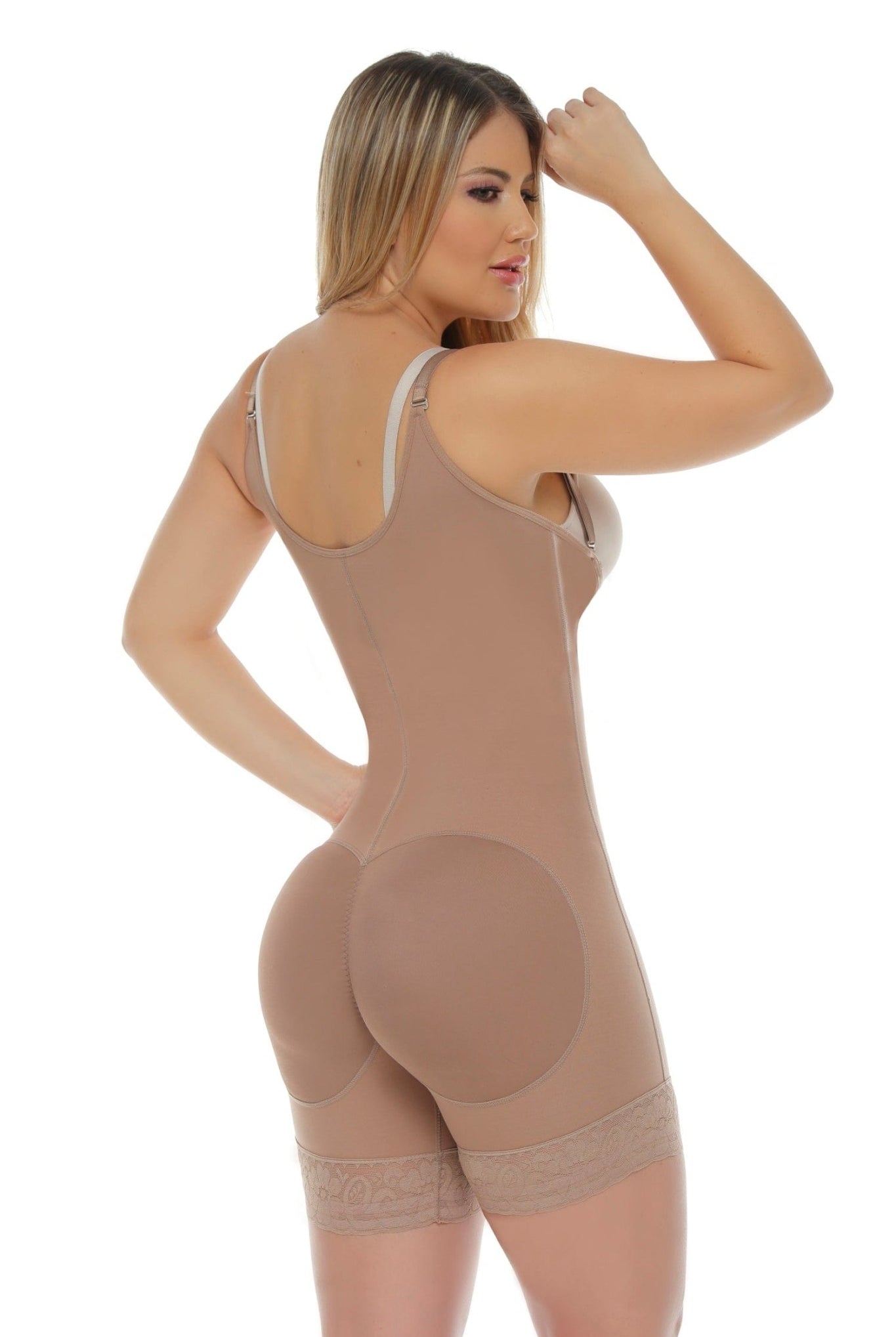
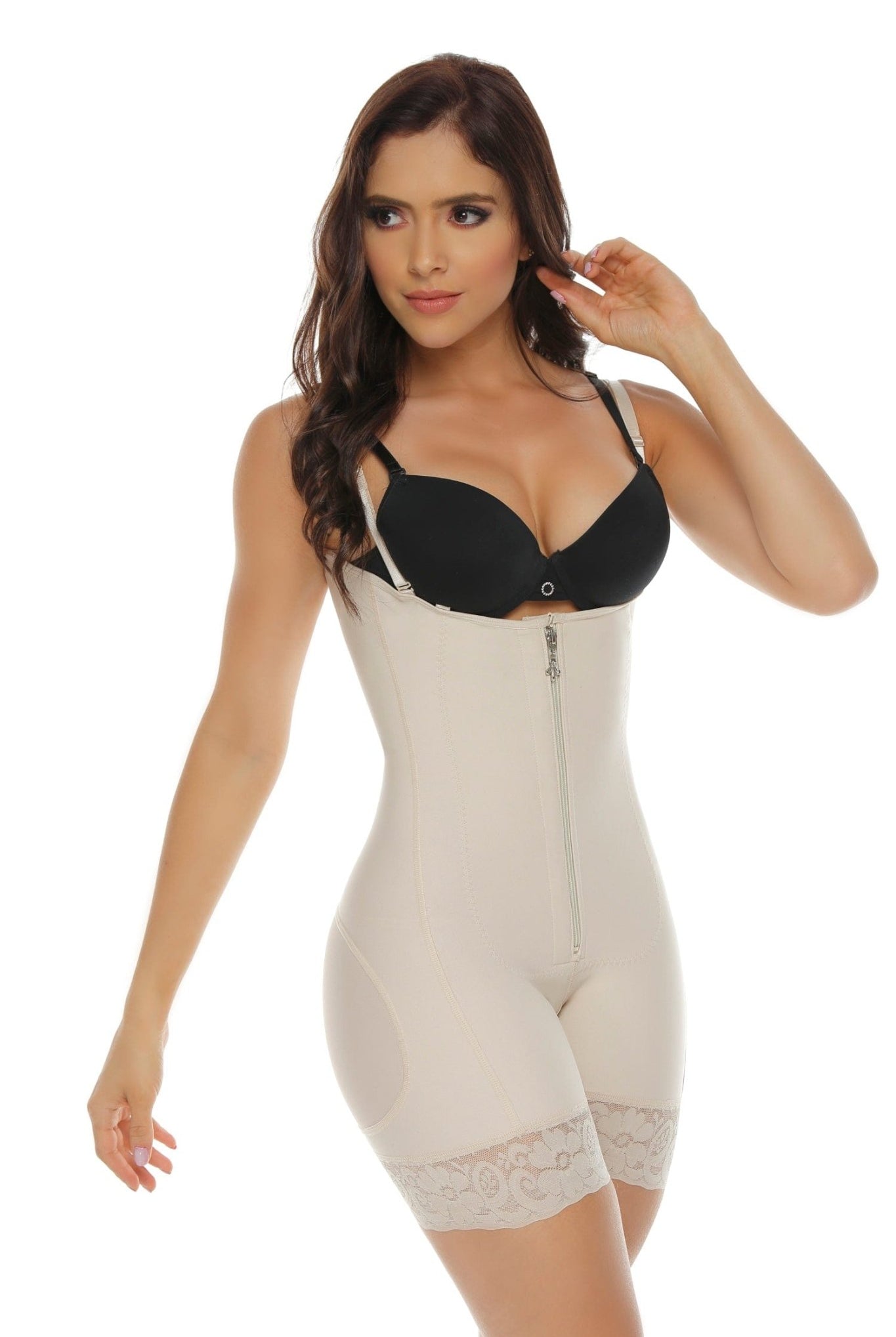
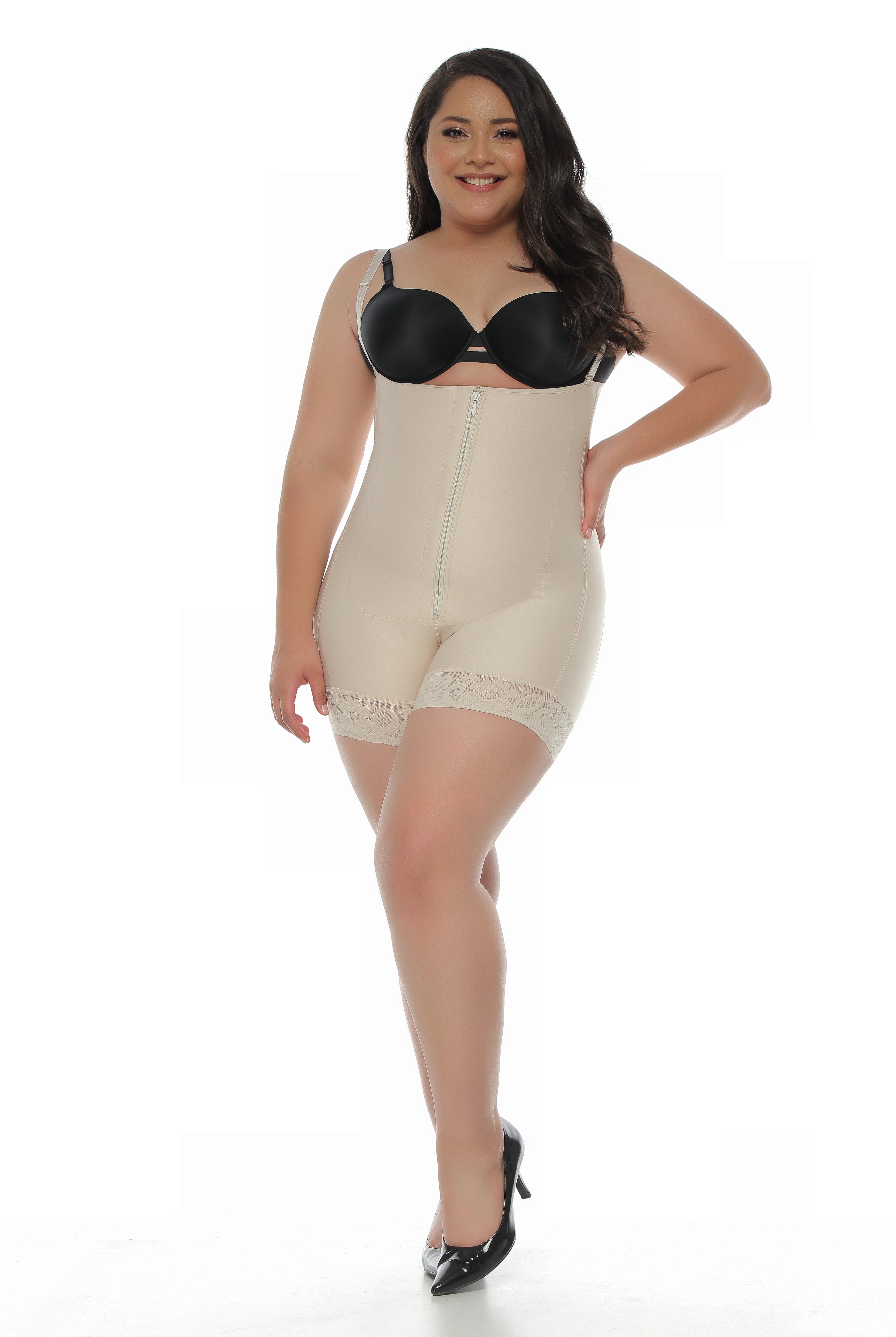
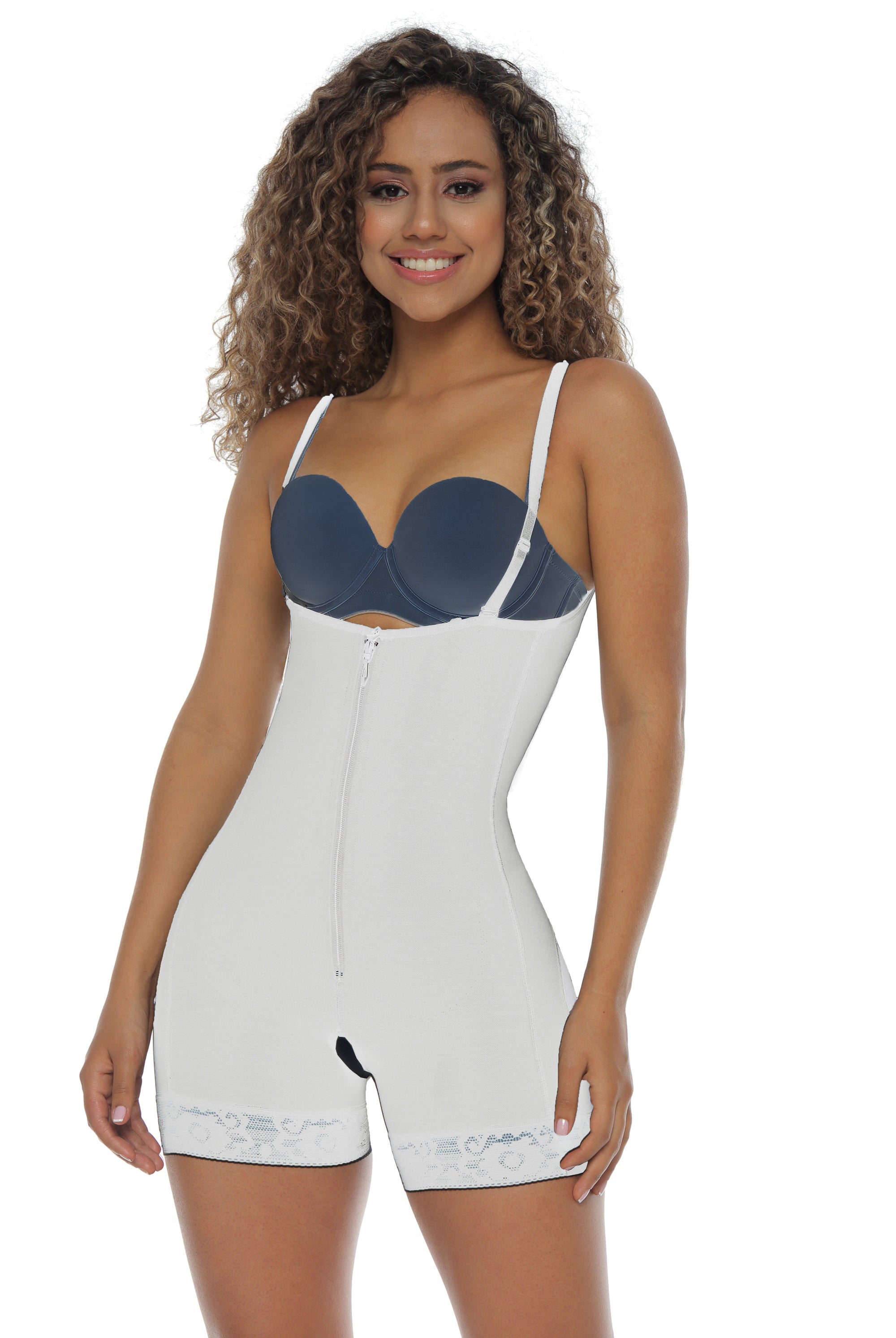
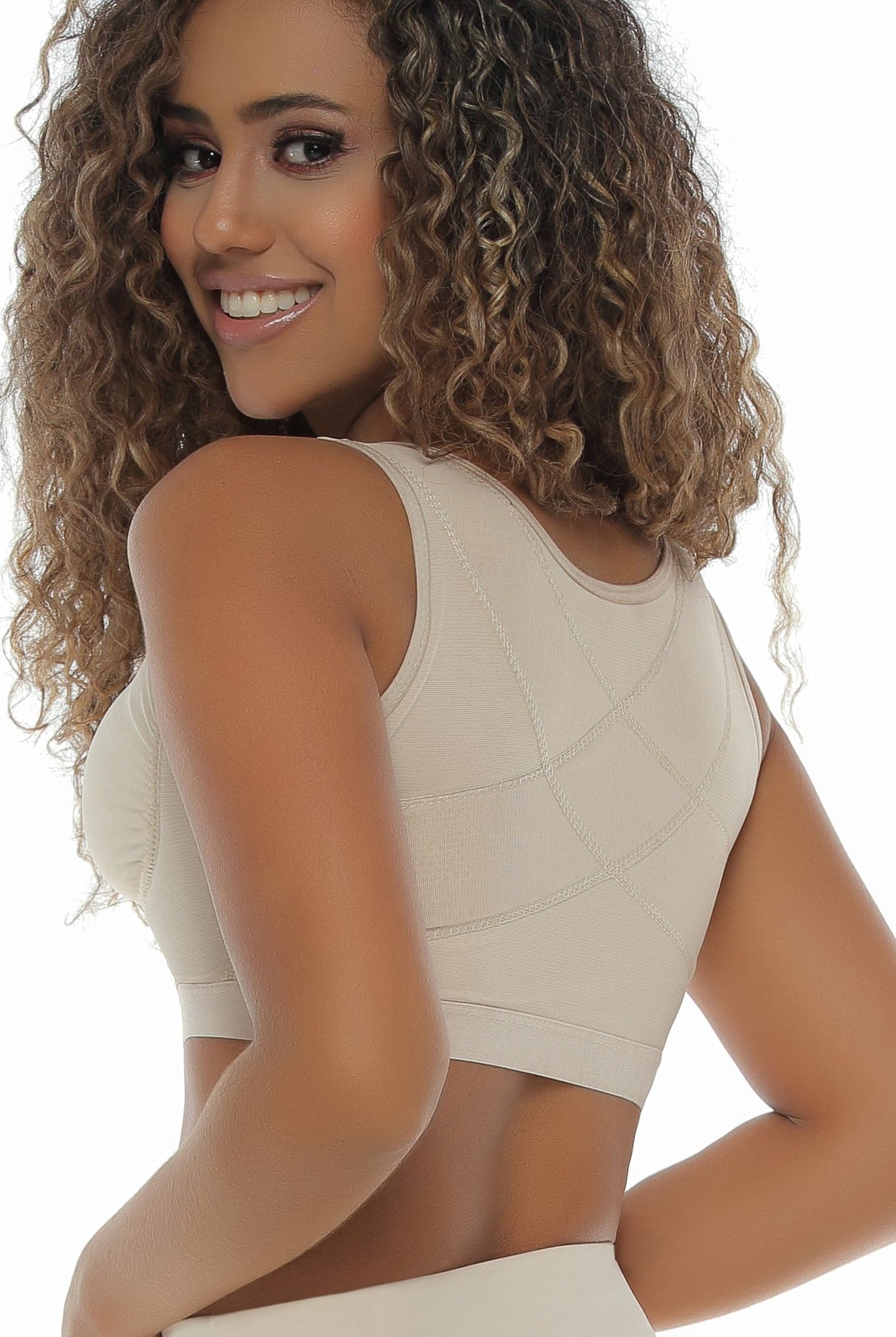
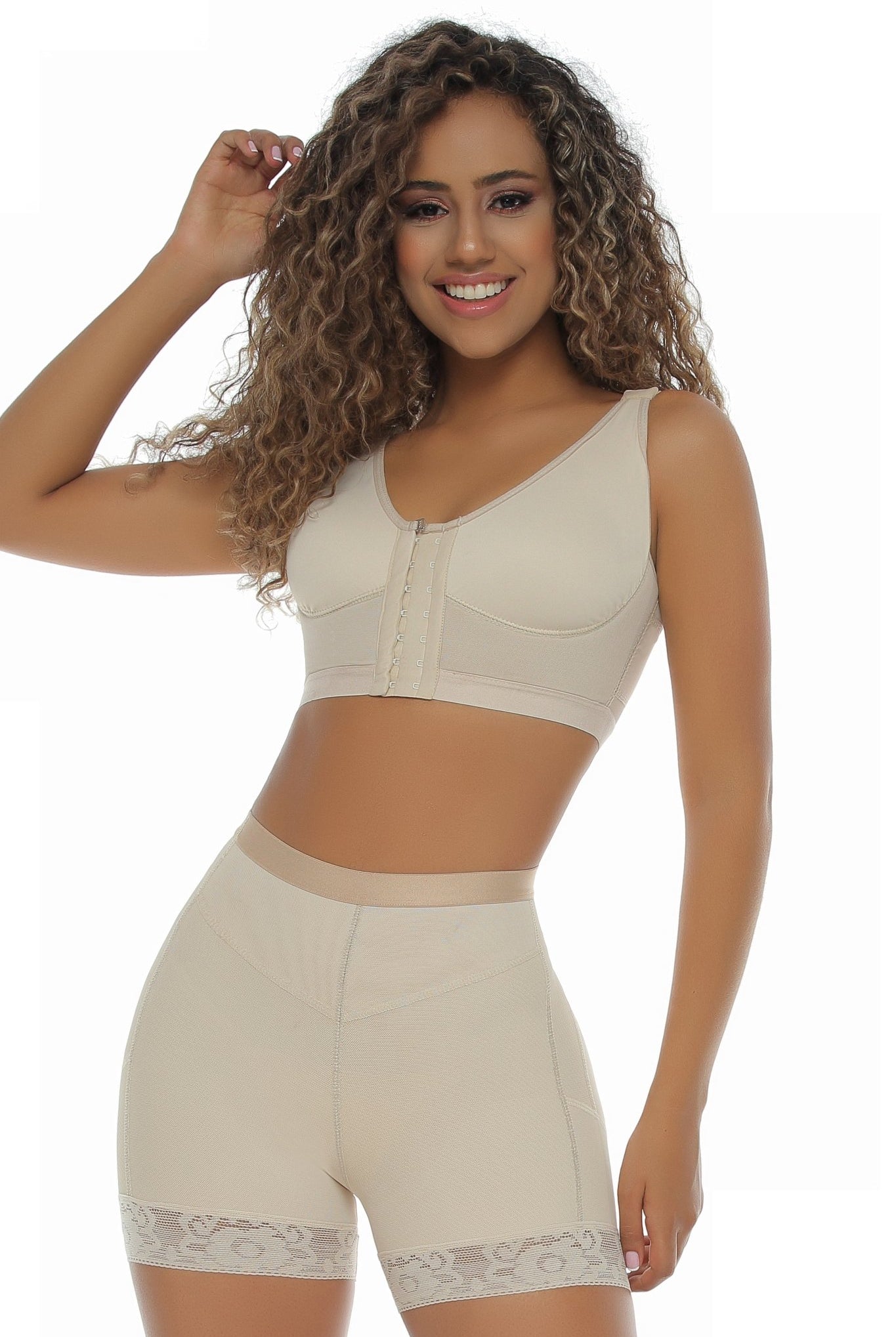
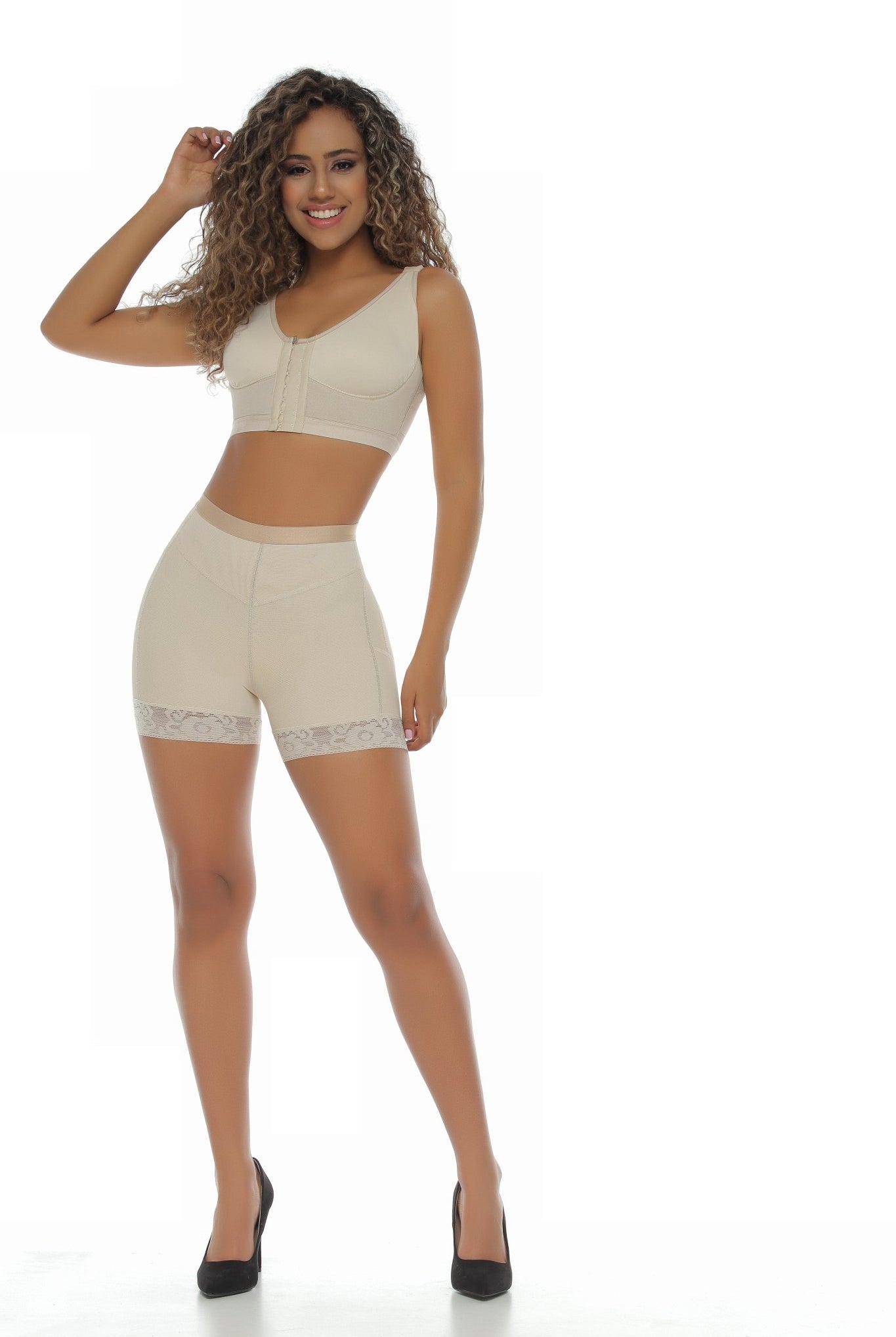
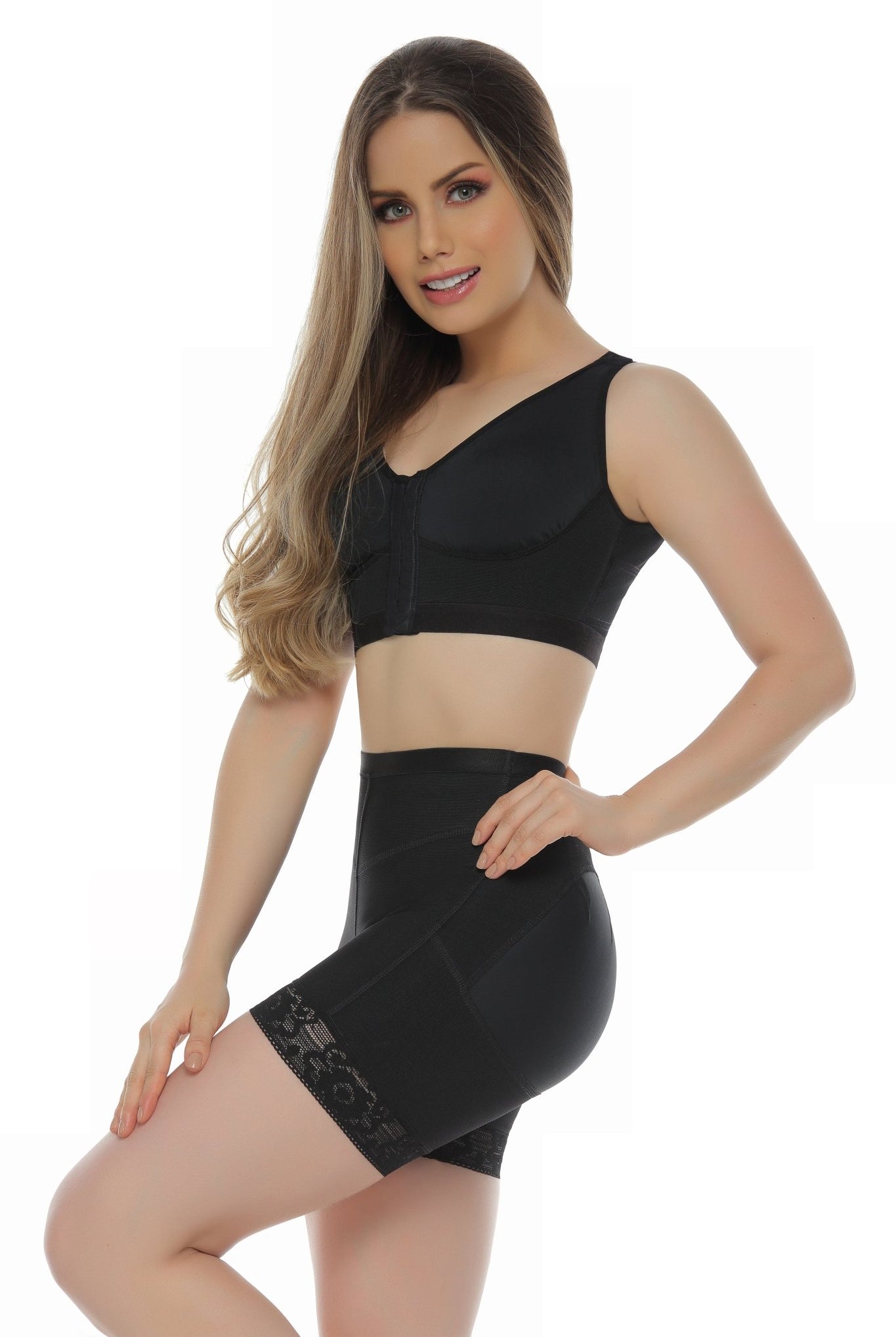
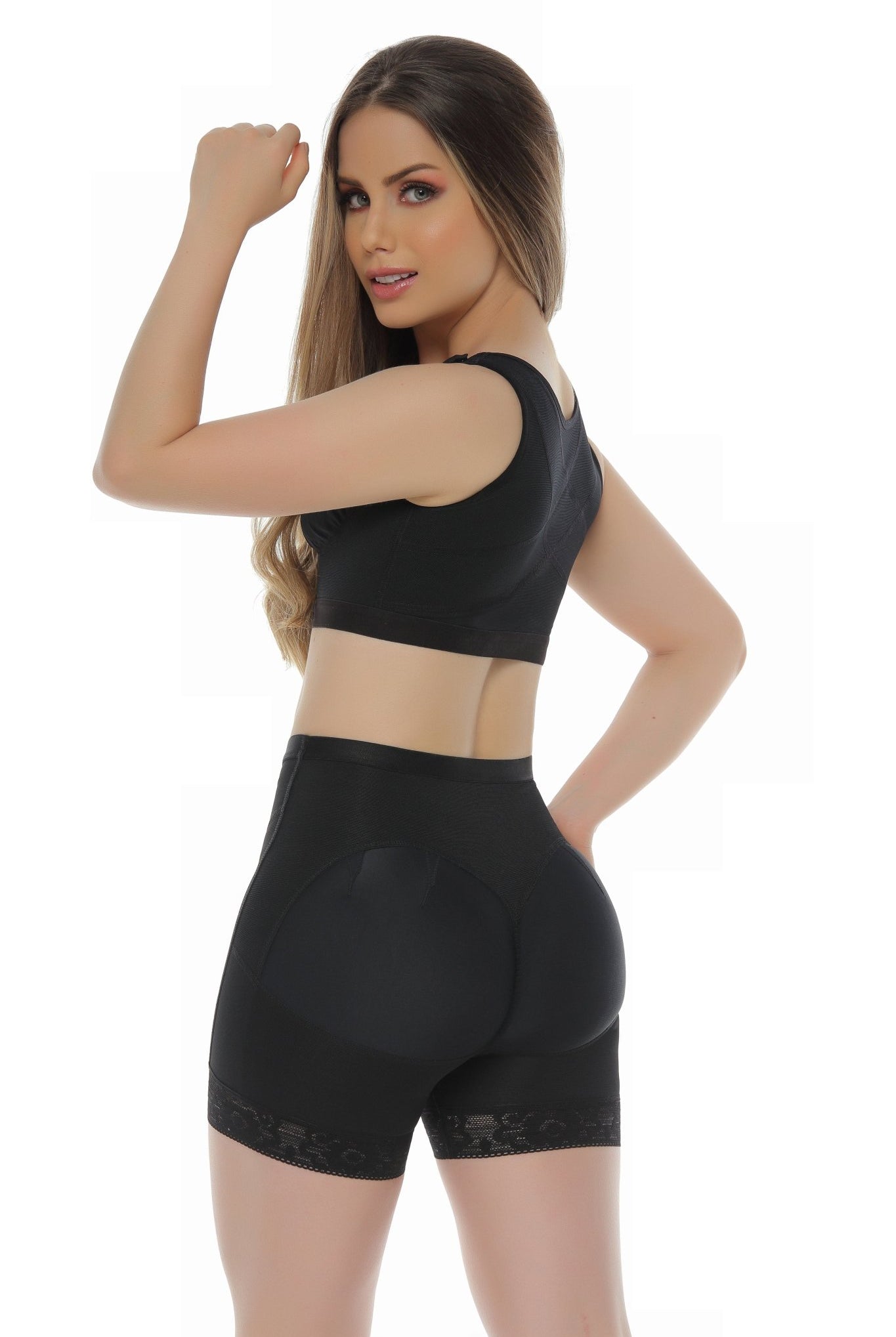
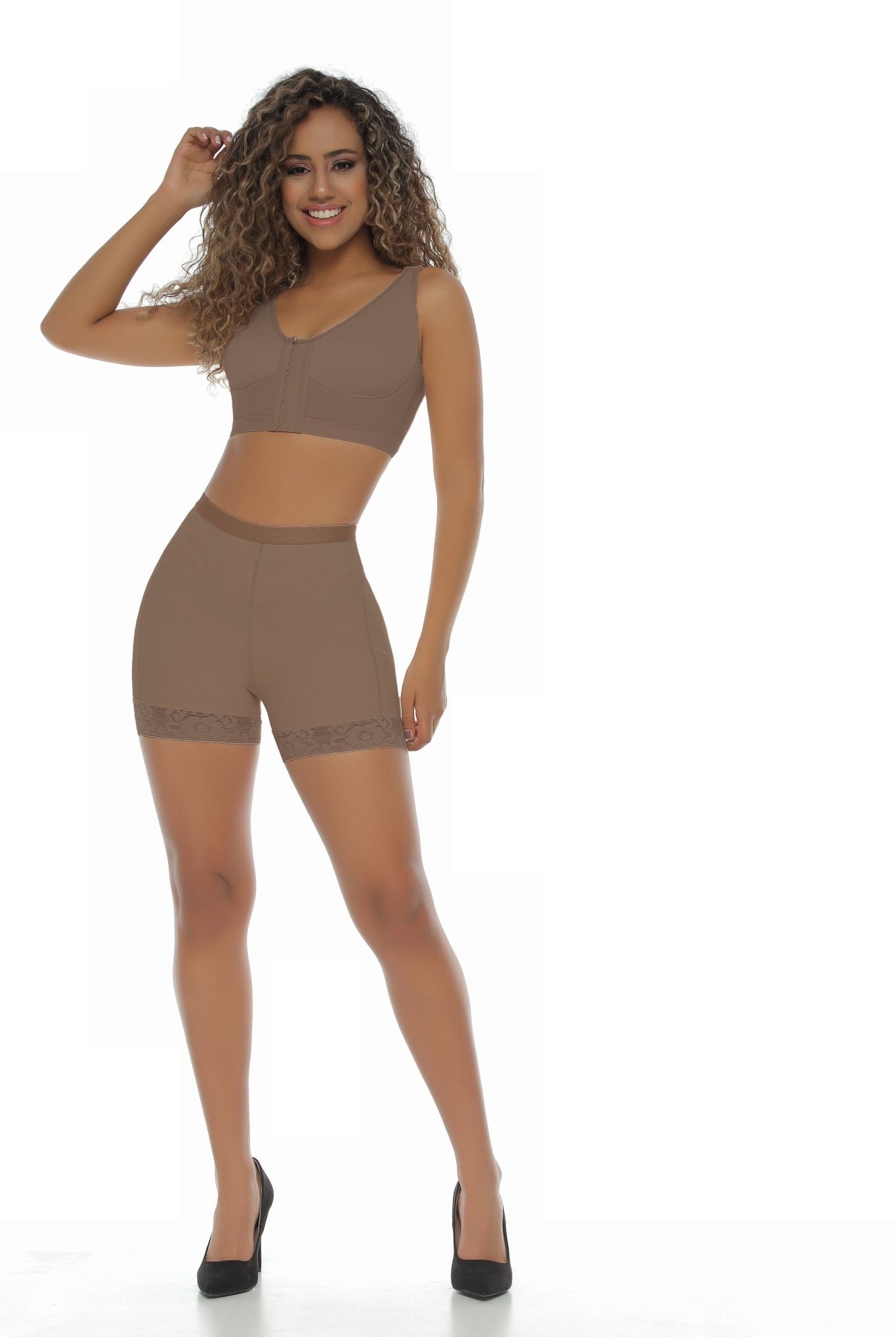
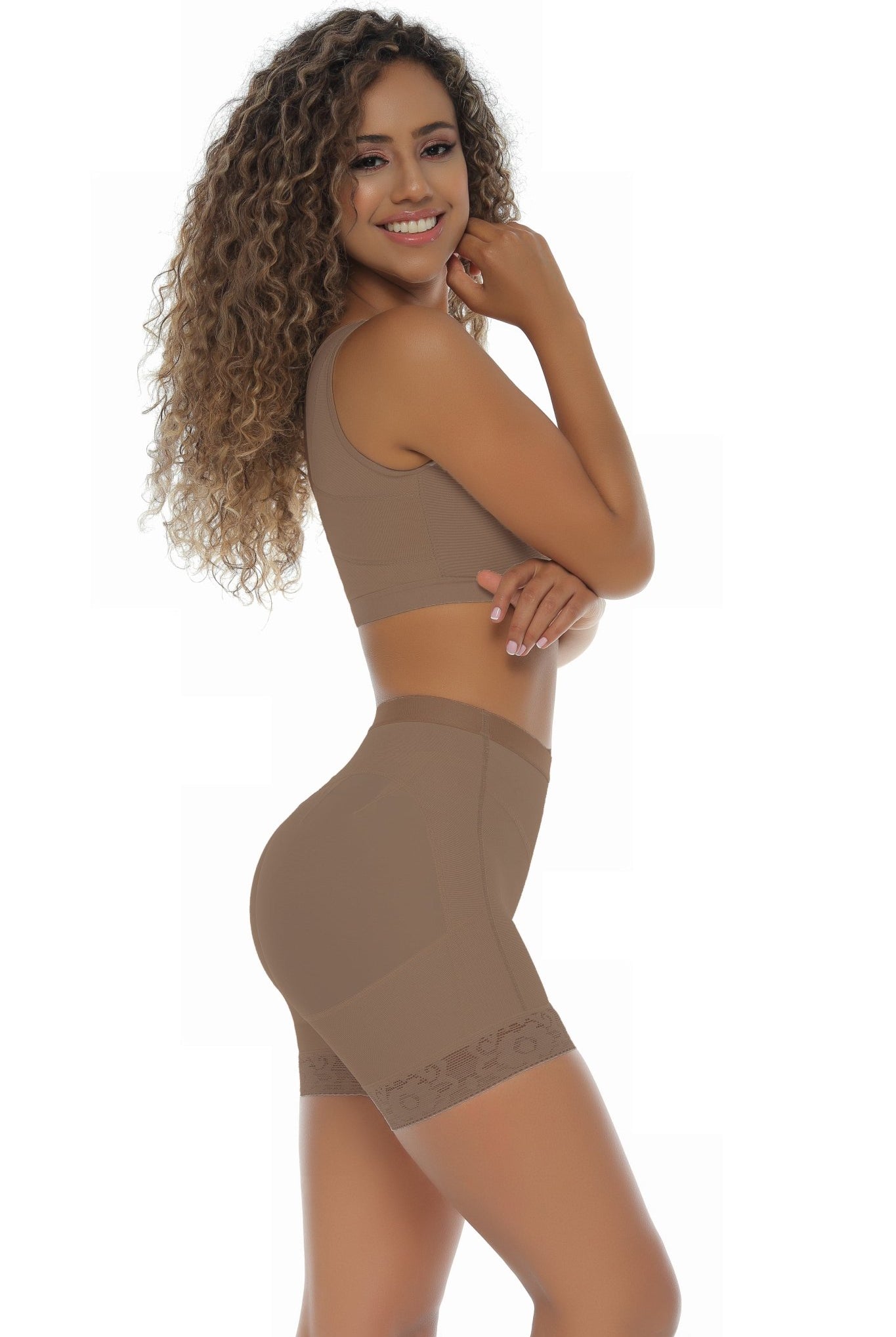
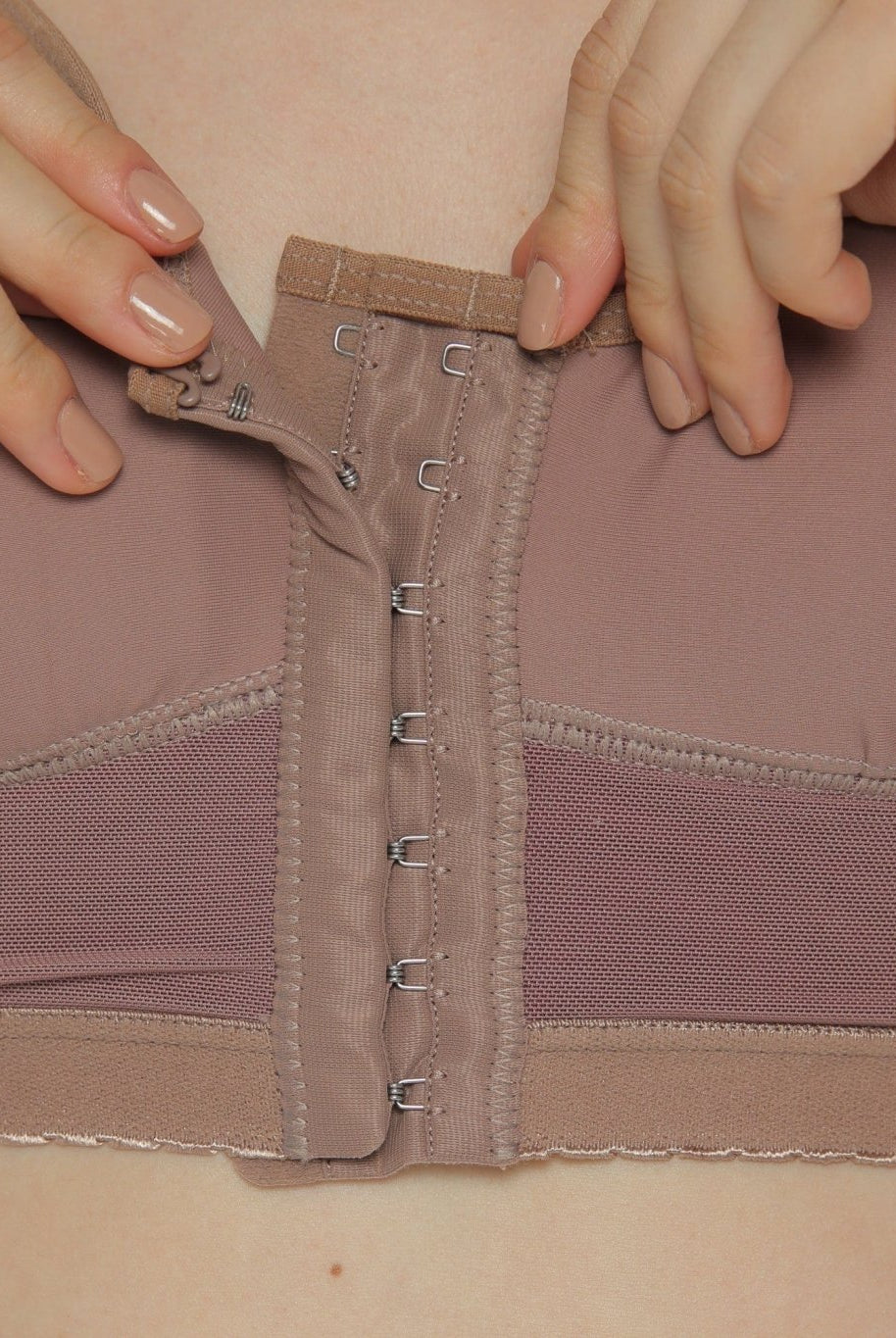
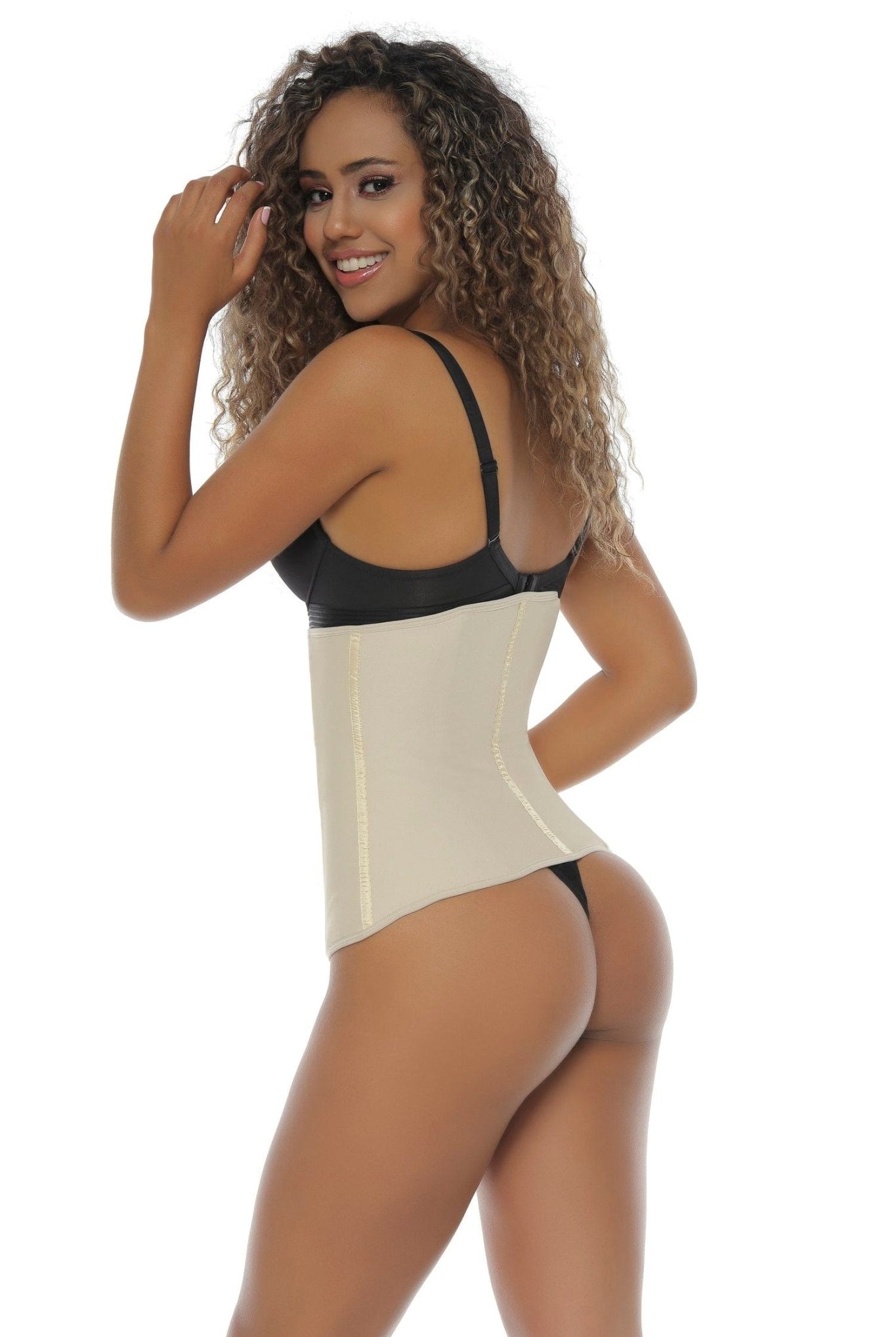
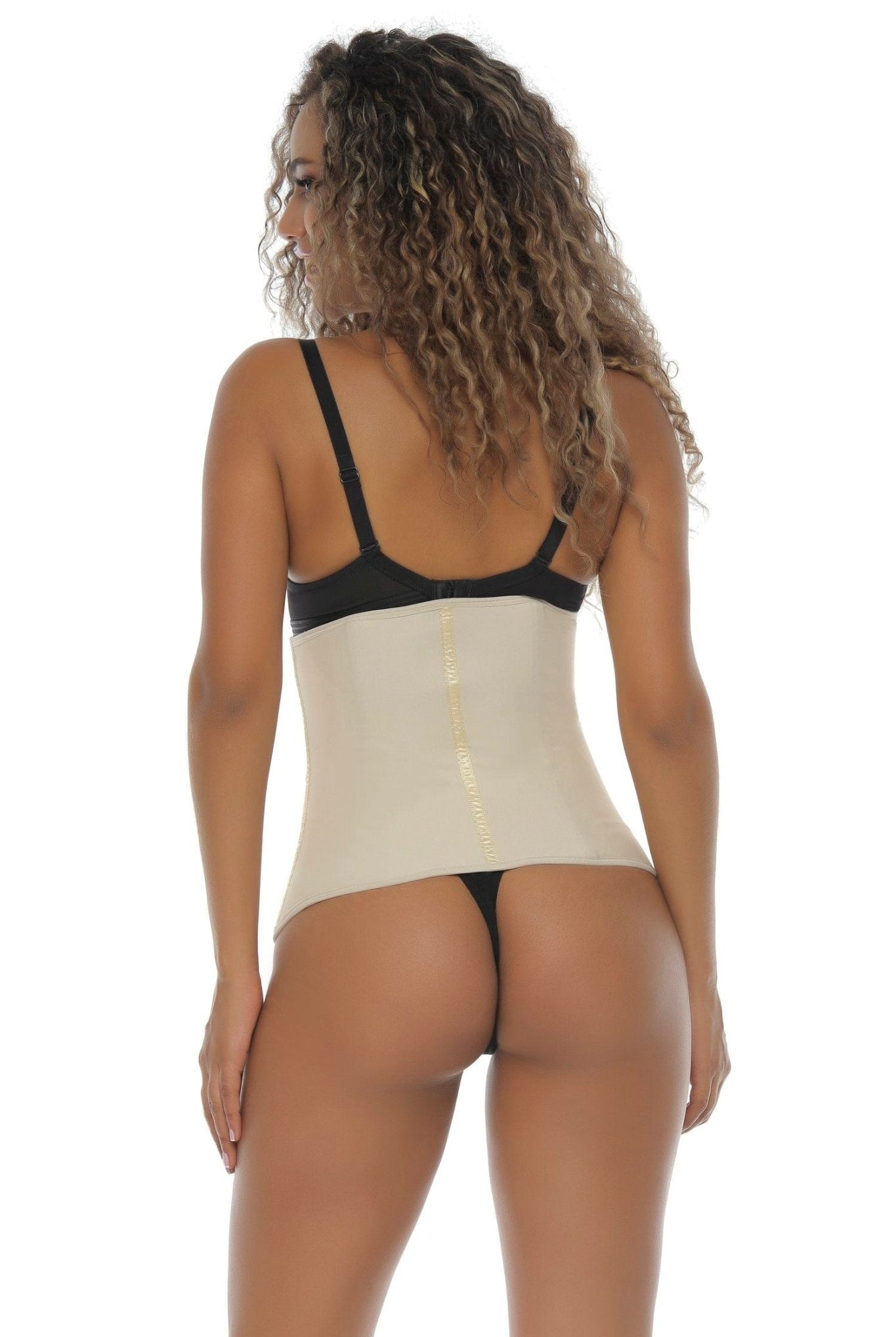
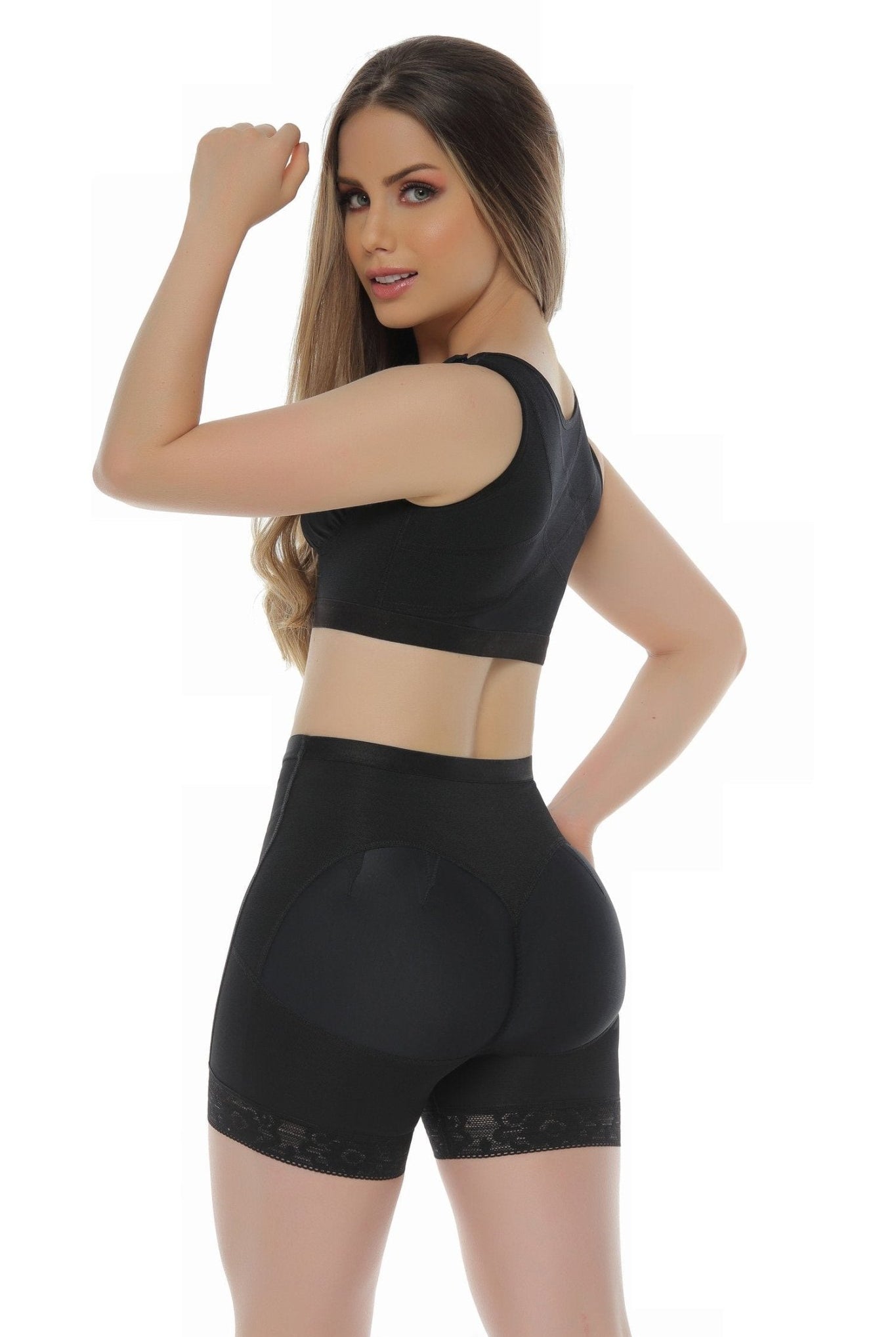
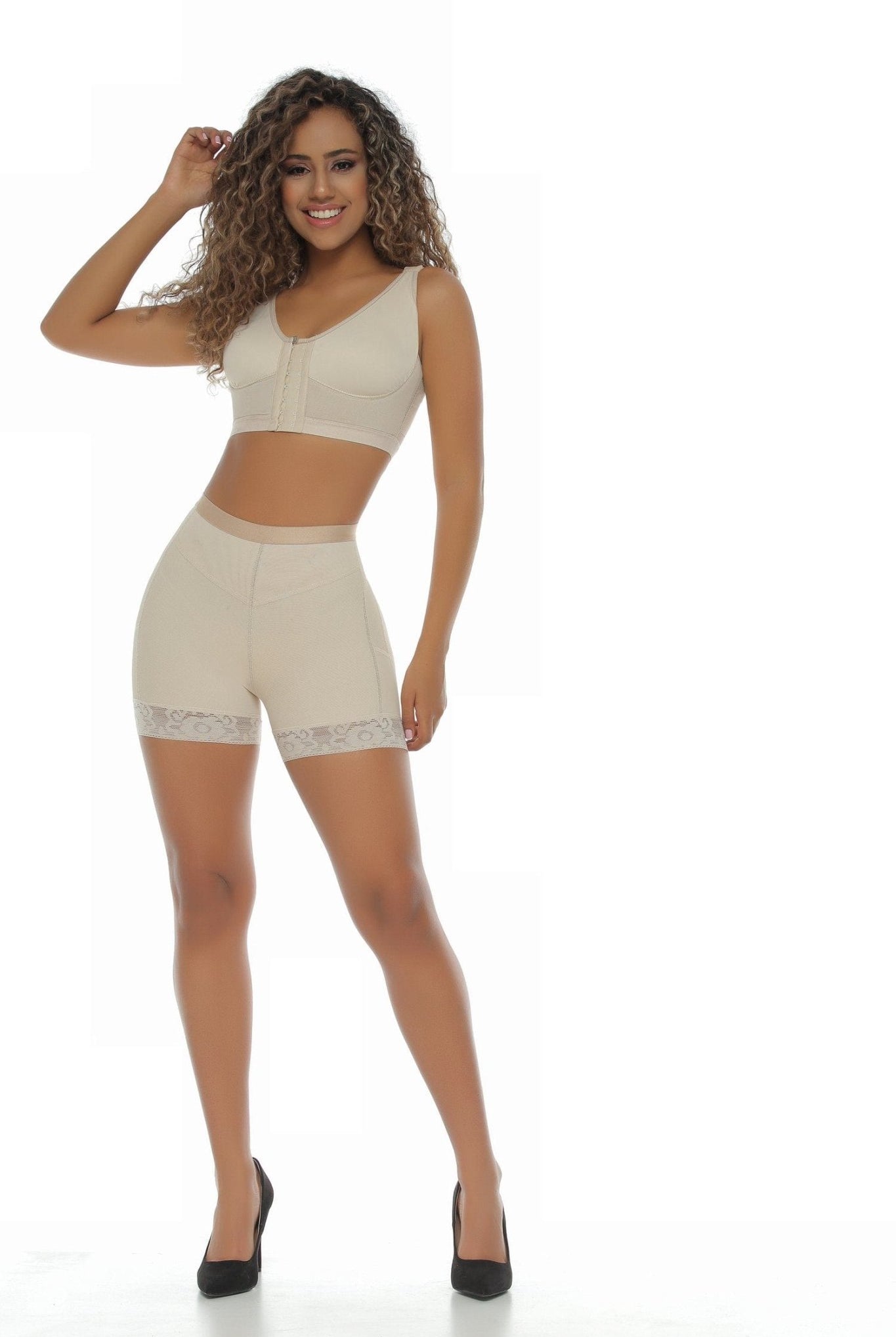
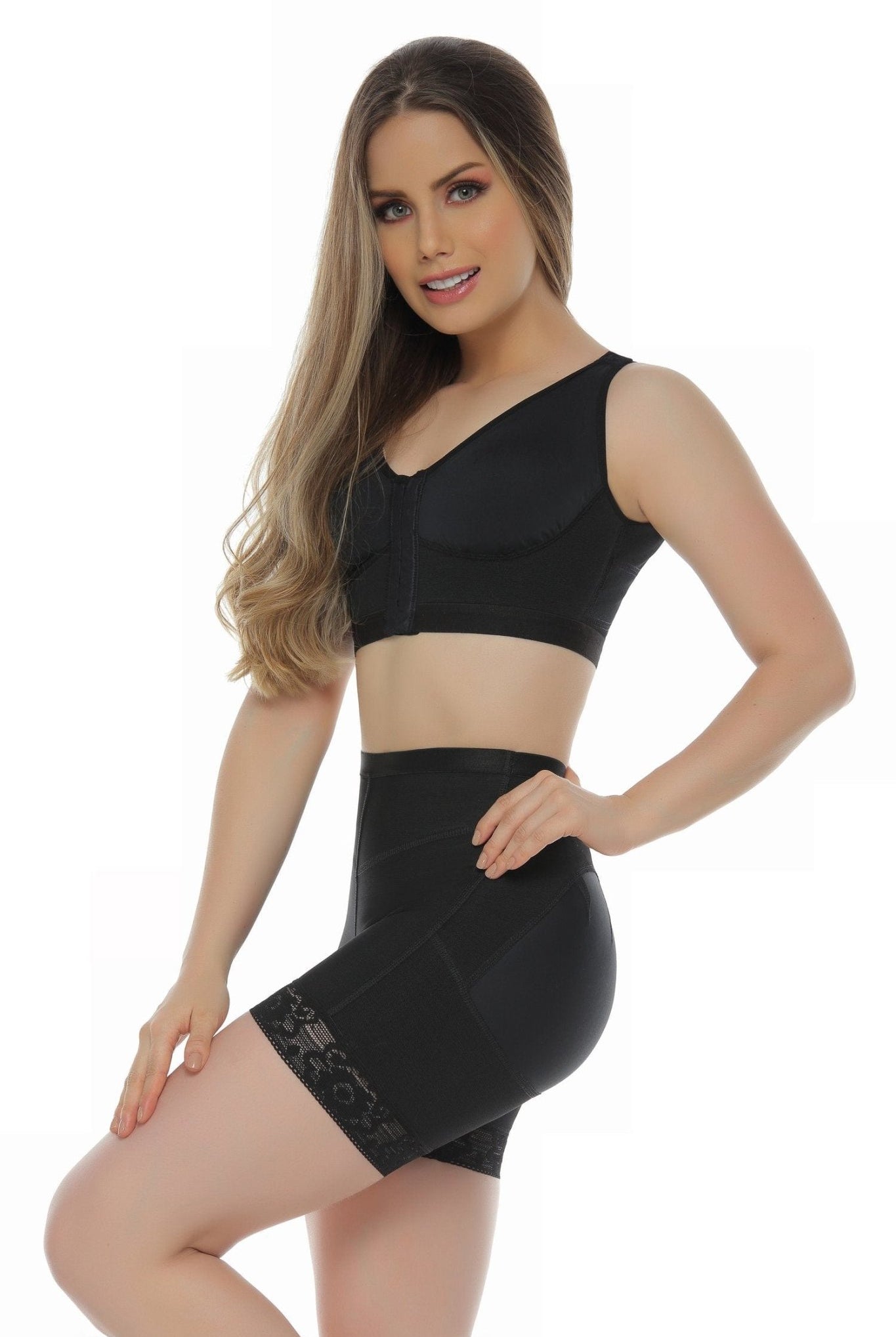
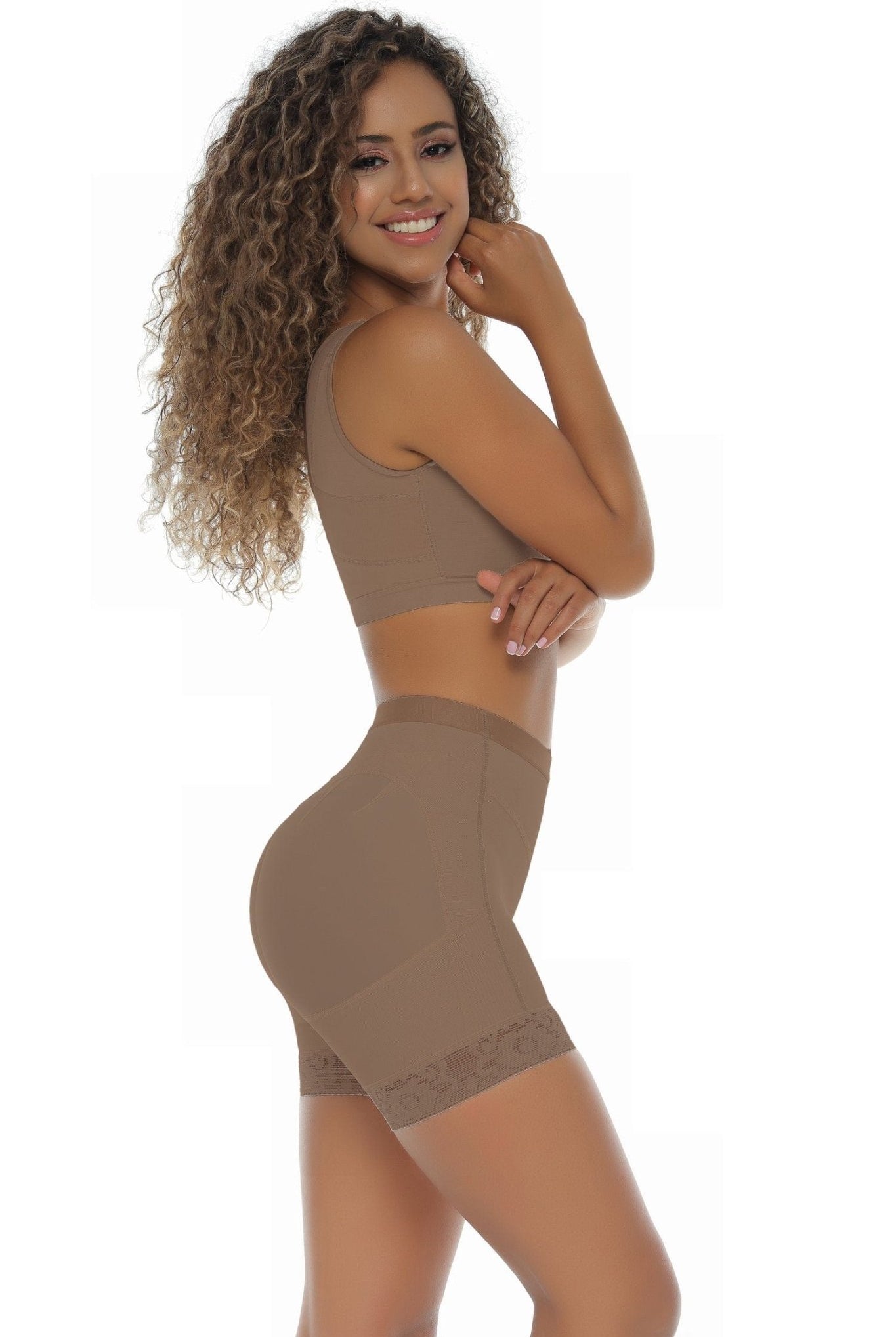
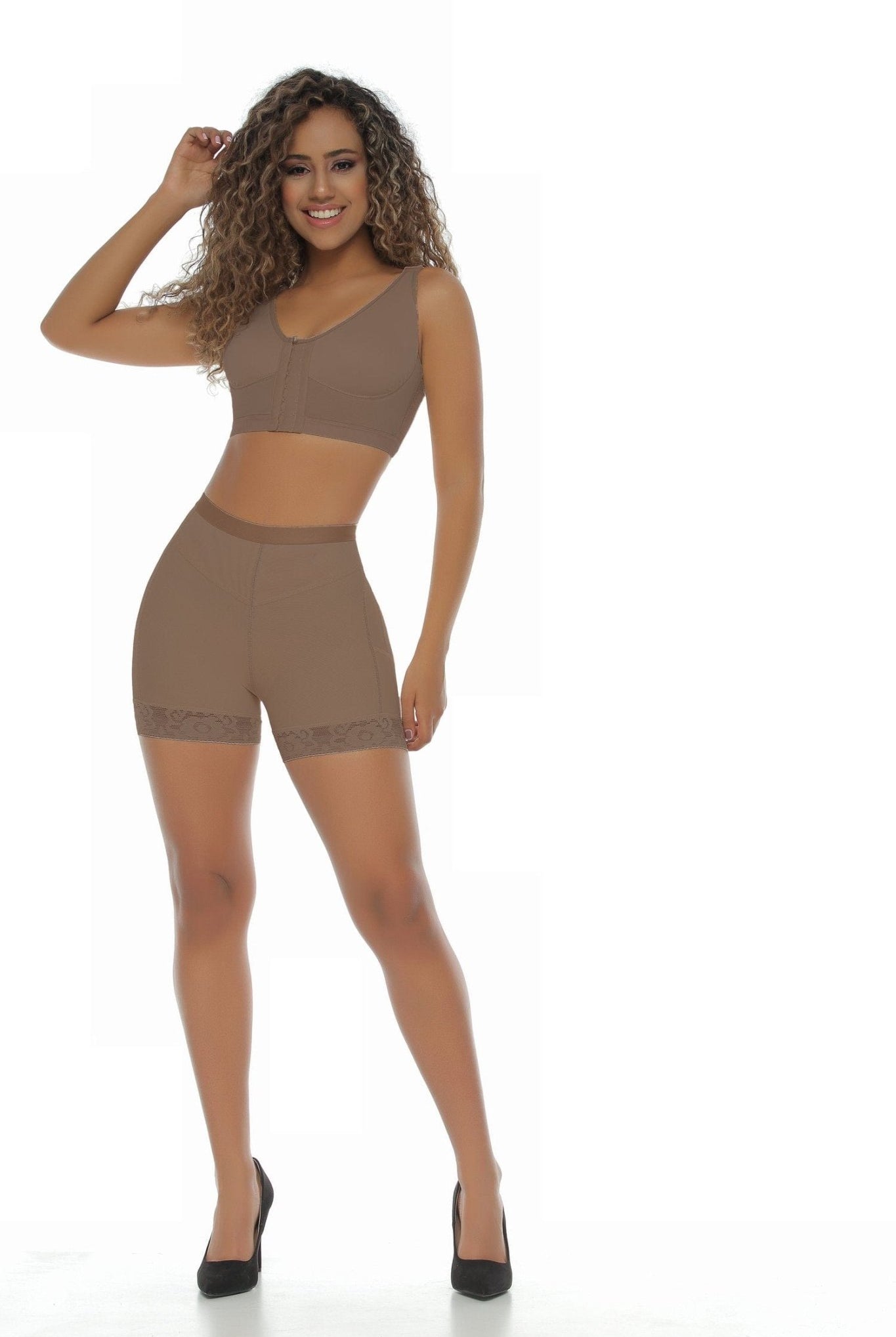
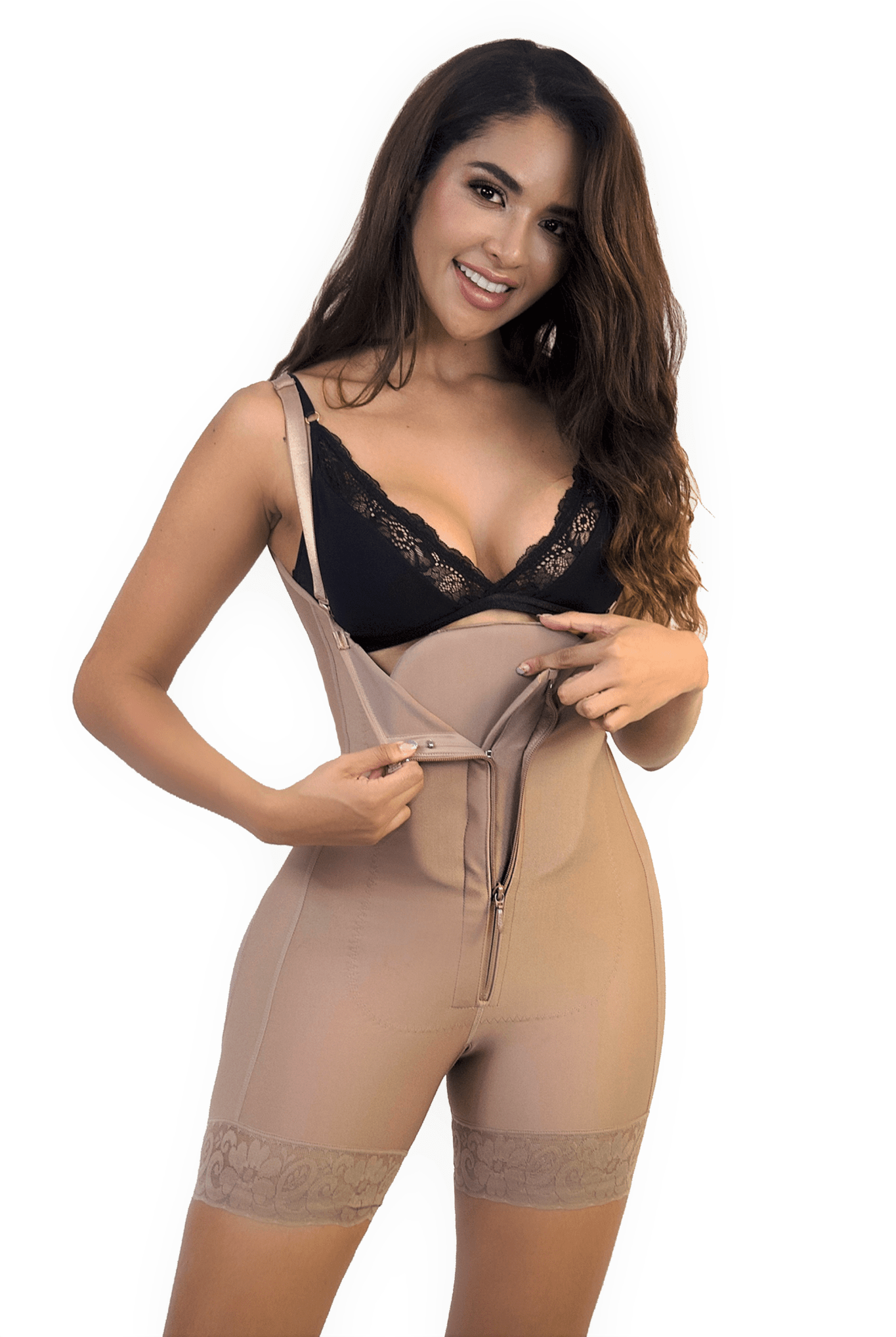
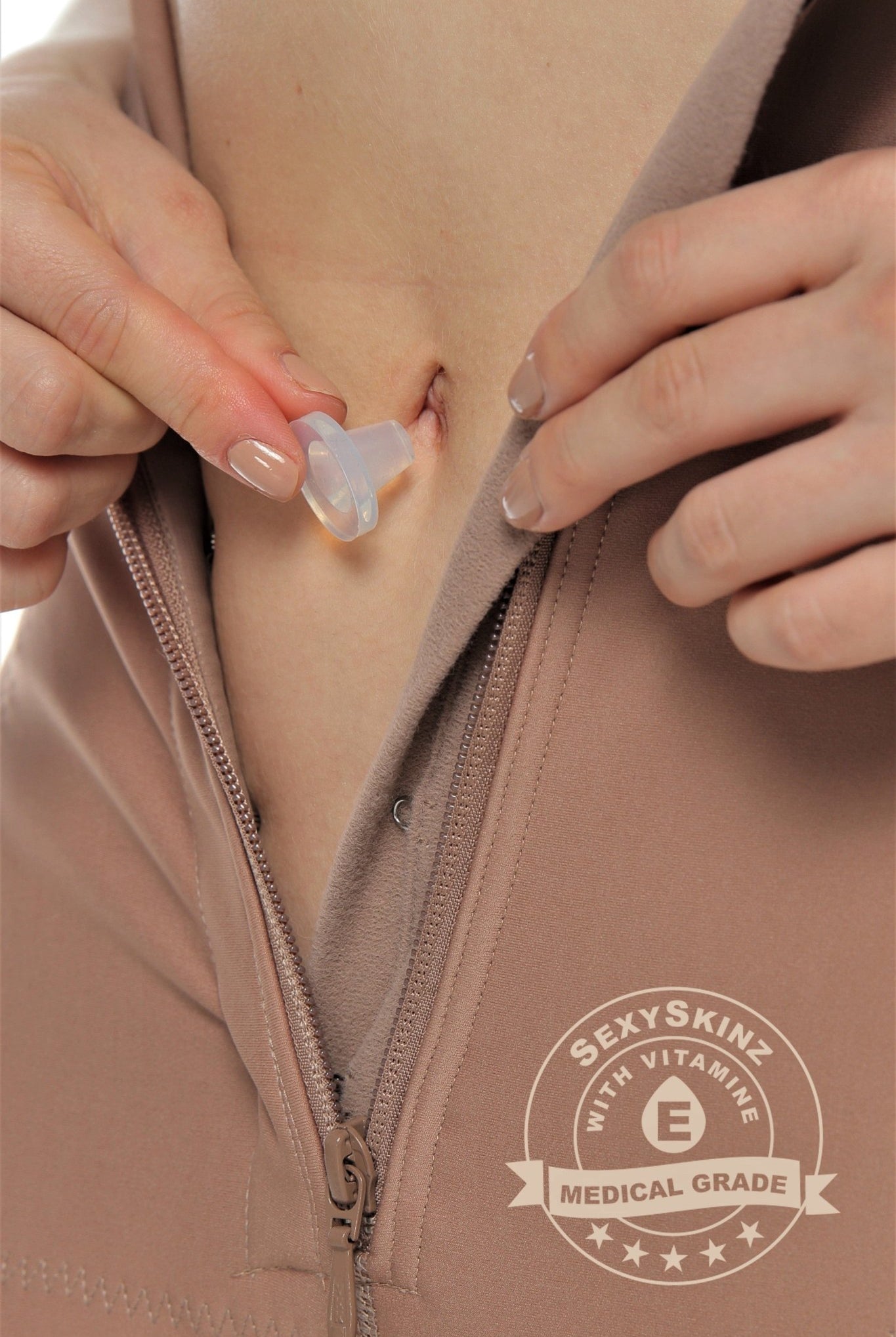
A stage 1 faja is garment soft to the touch that provides firm, even compression, not too tight and not too loose. This is the garment you wear immediately after surgery for the best results, since fit and comfort at this stage directly affect your healing.
Why Your Stage One Faja Should Fit Like a Glove
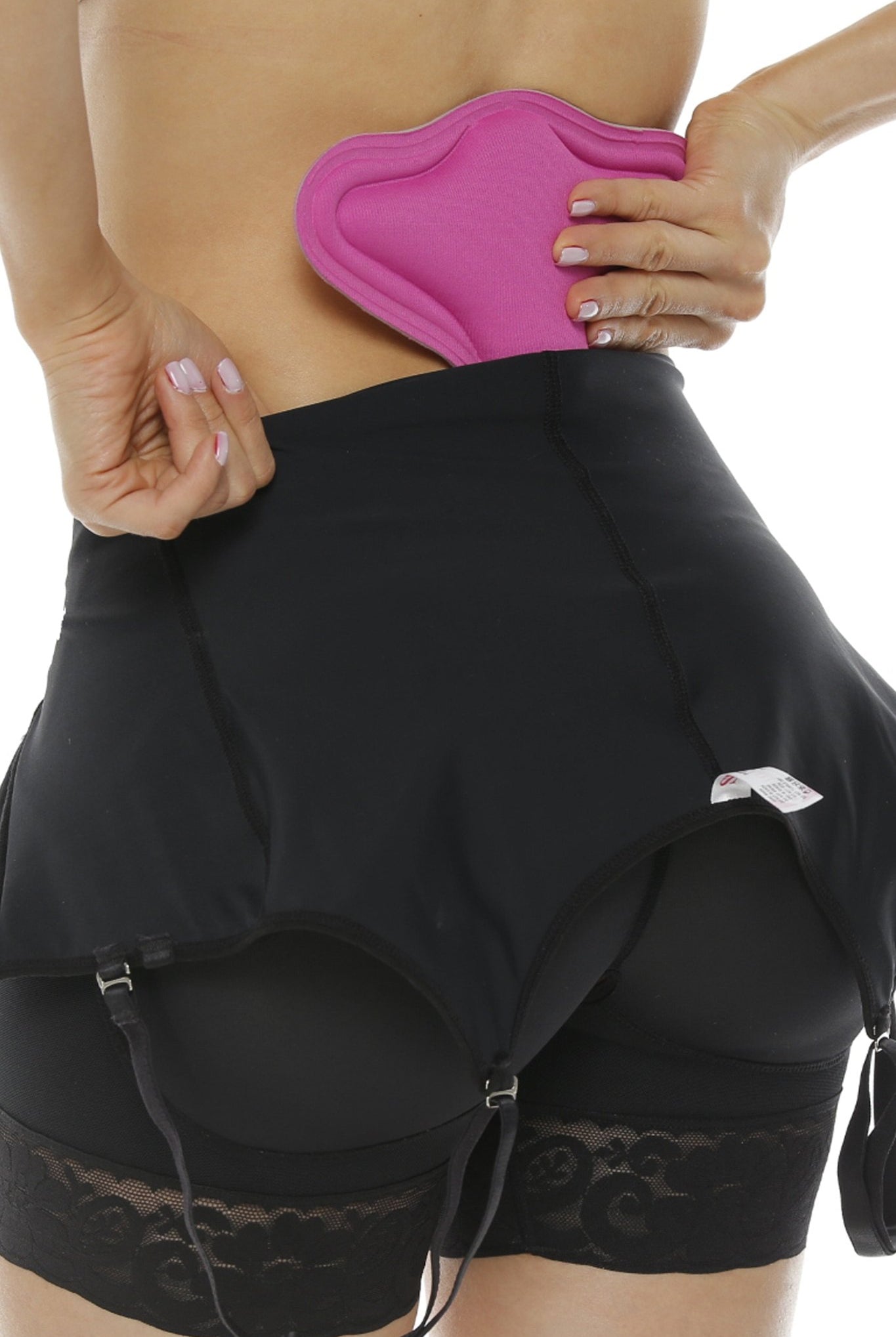
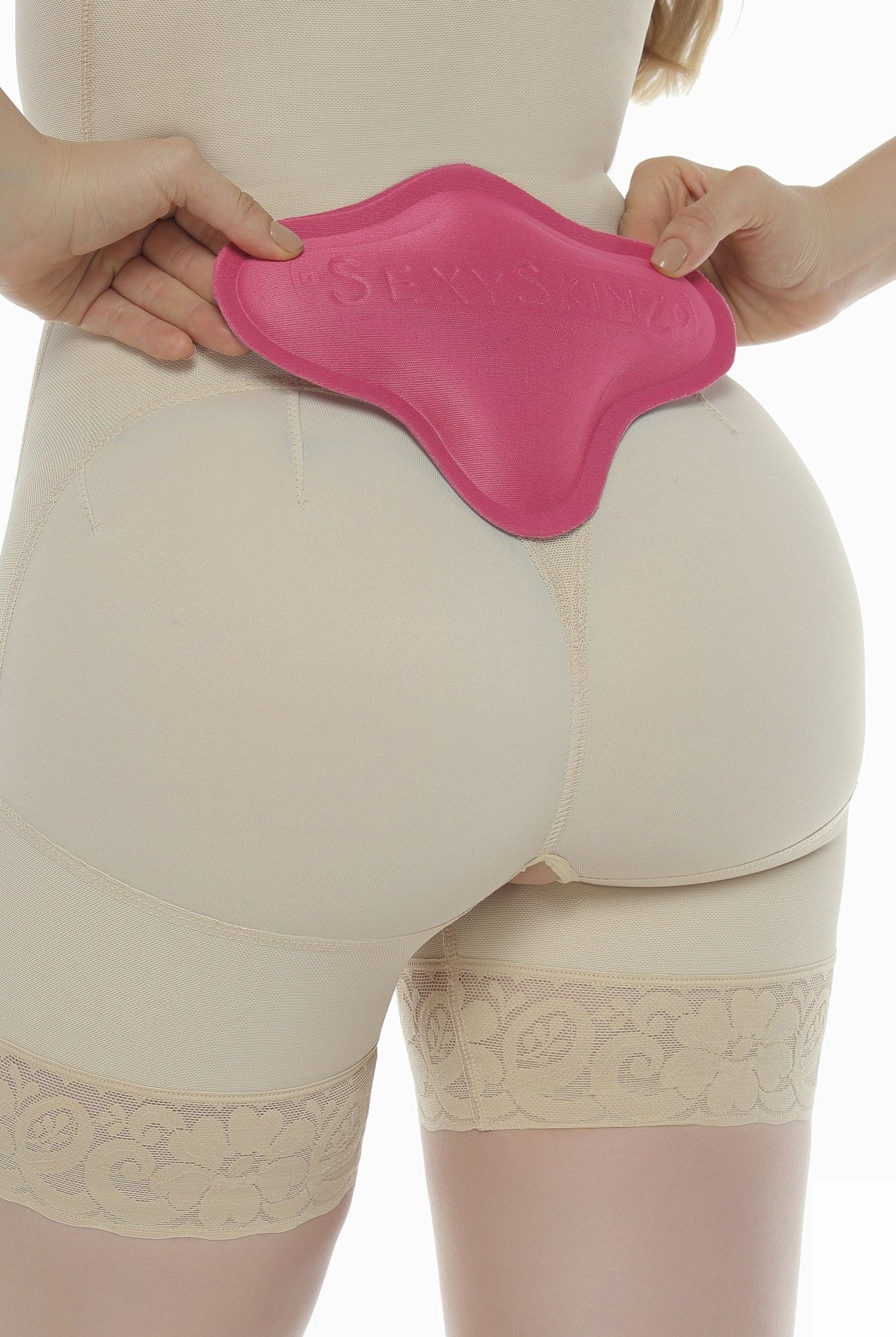
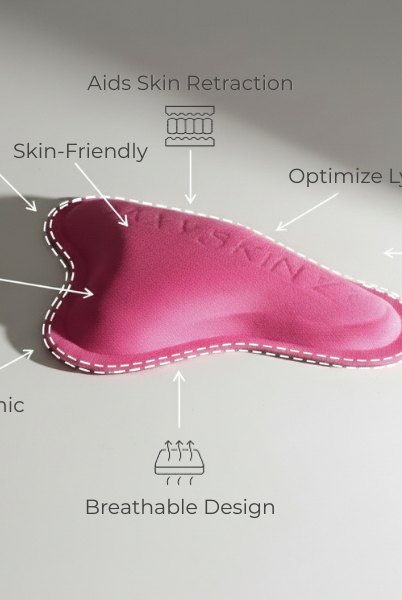
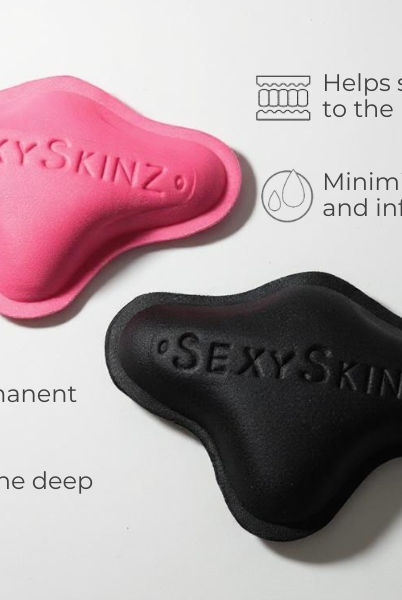
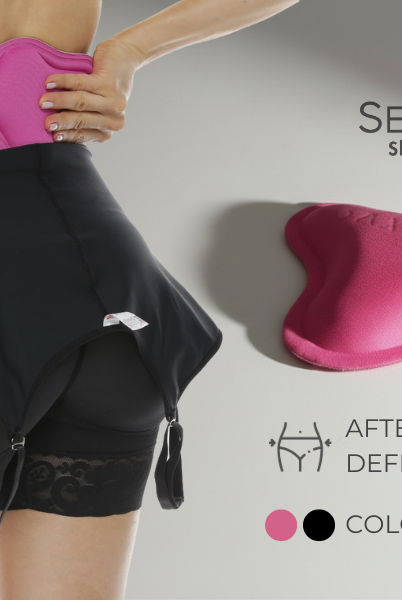
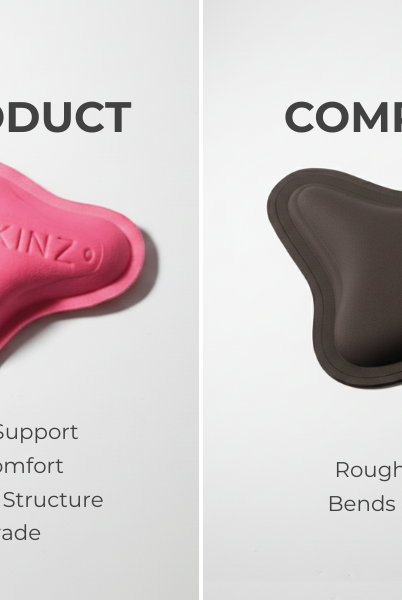
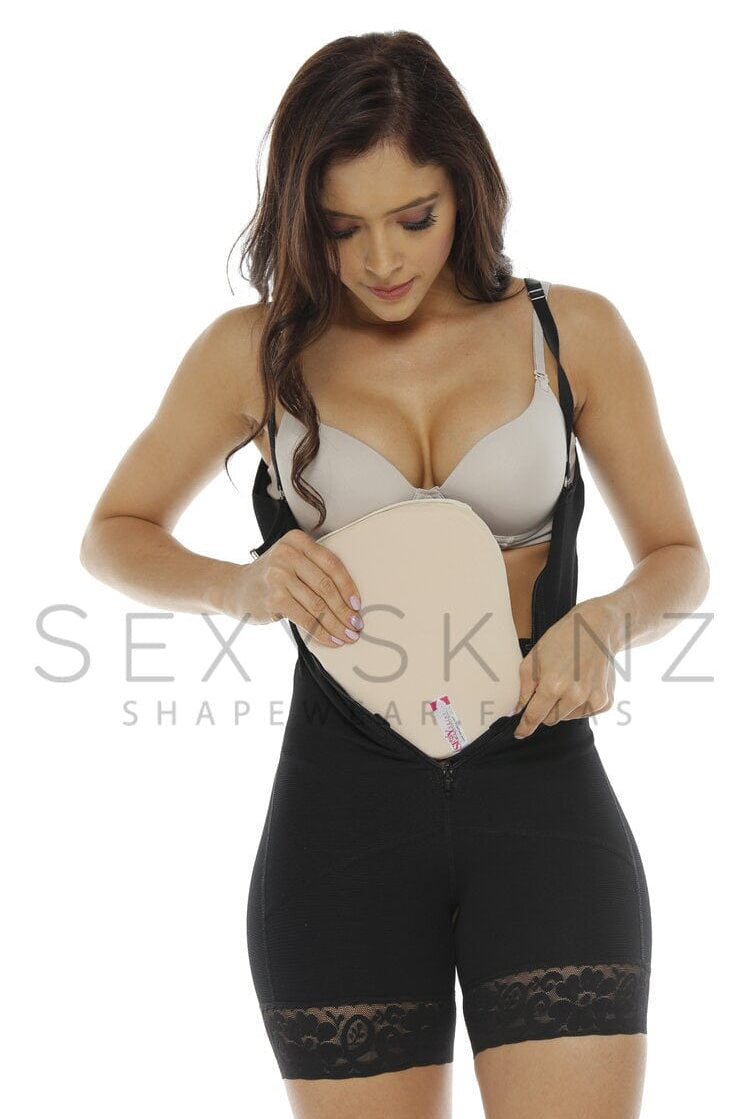
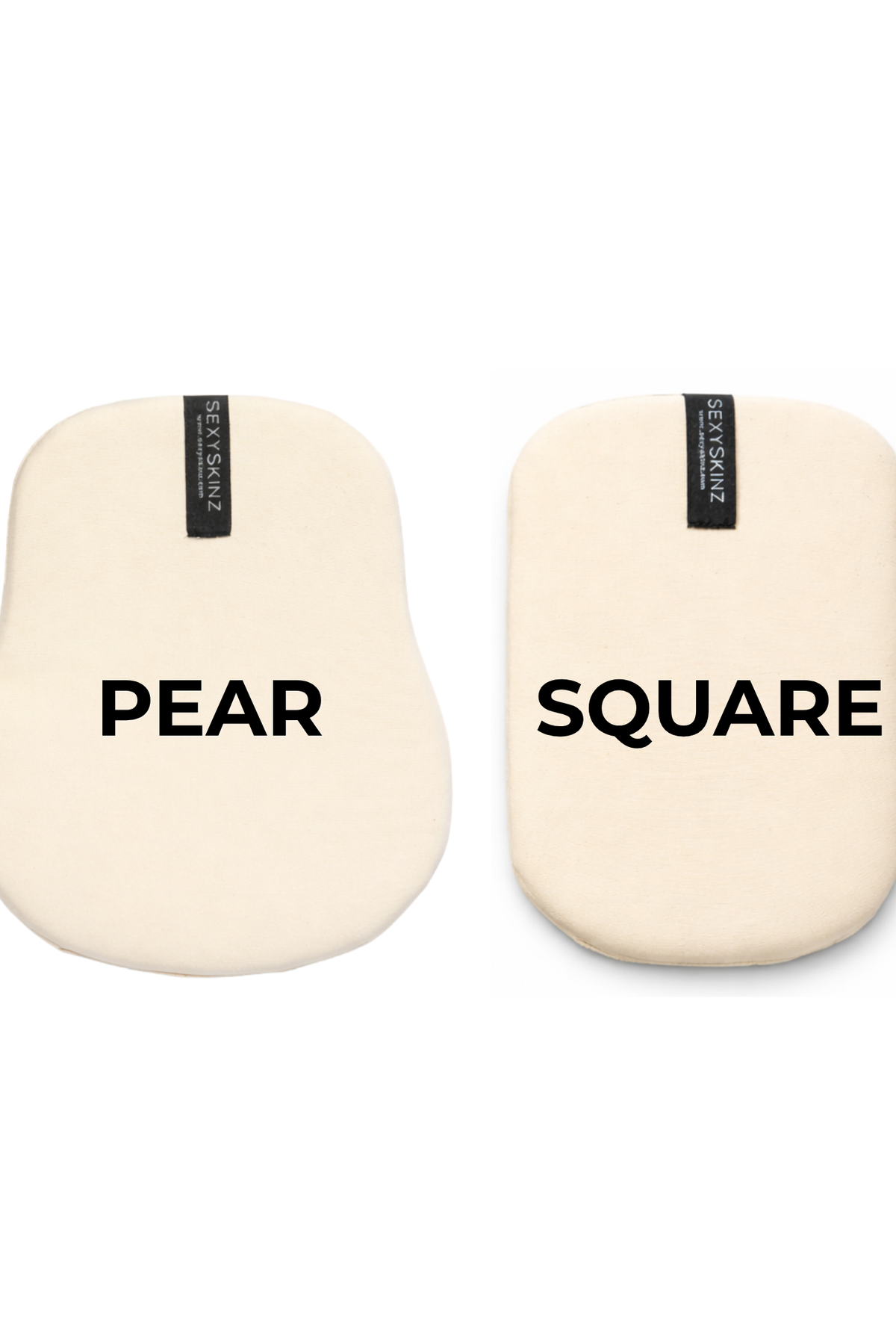
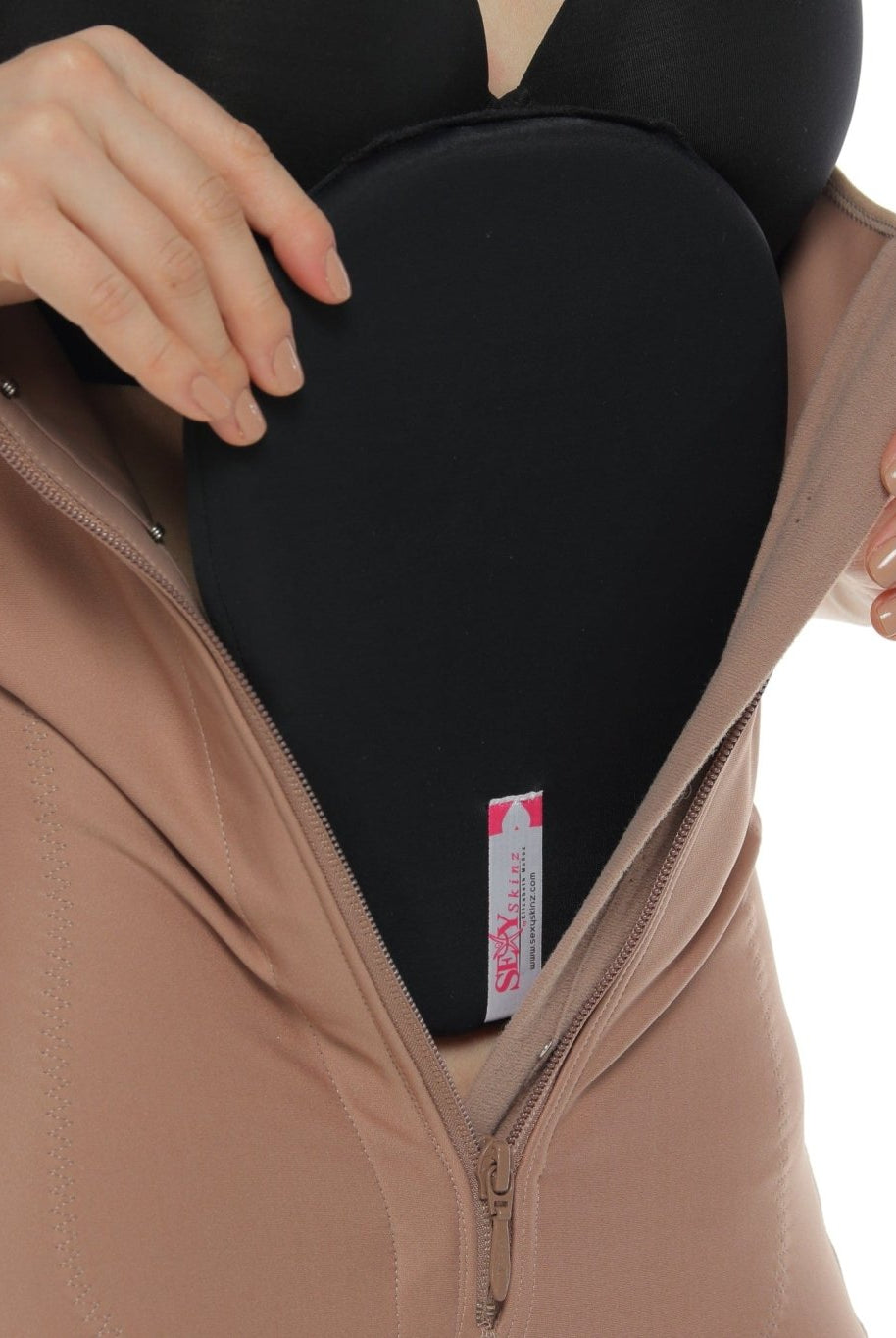
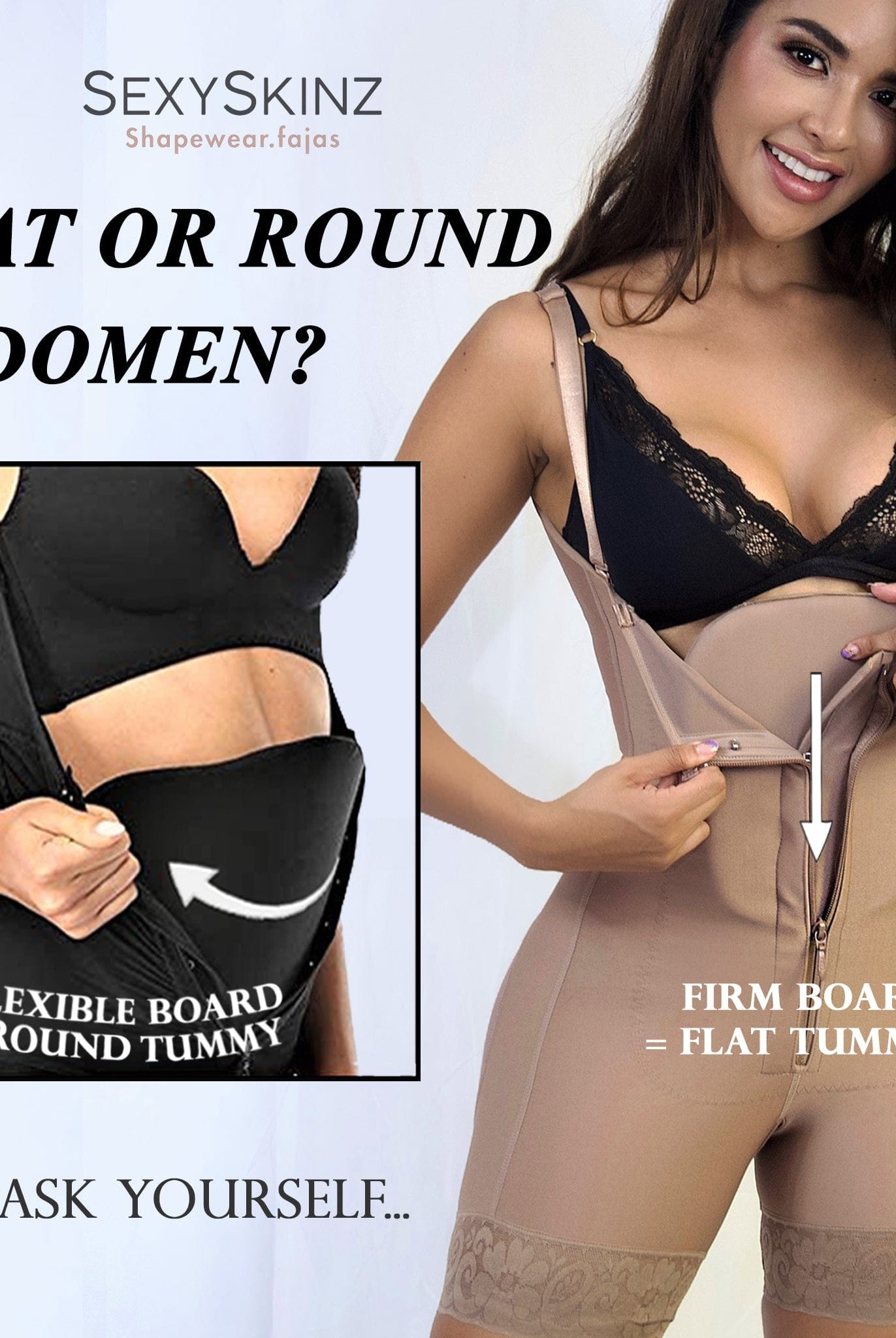
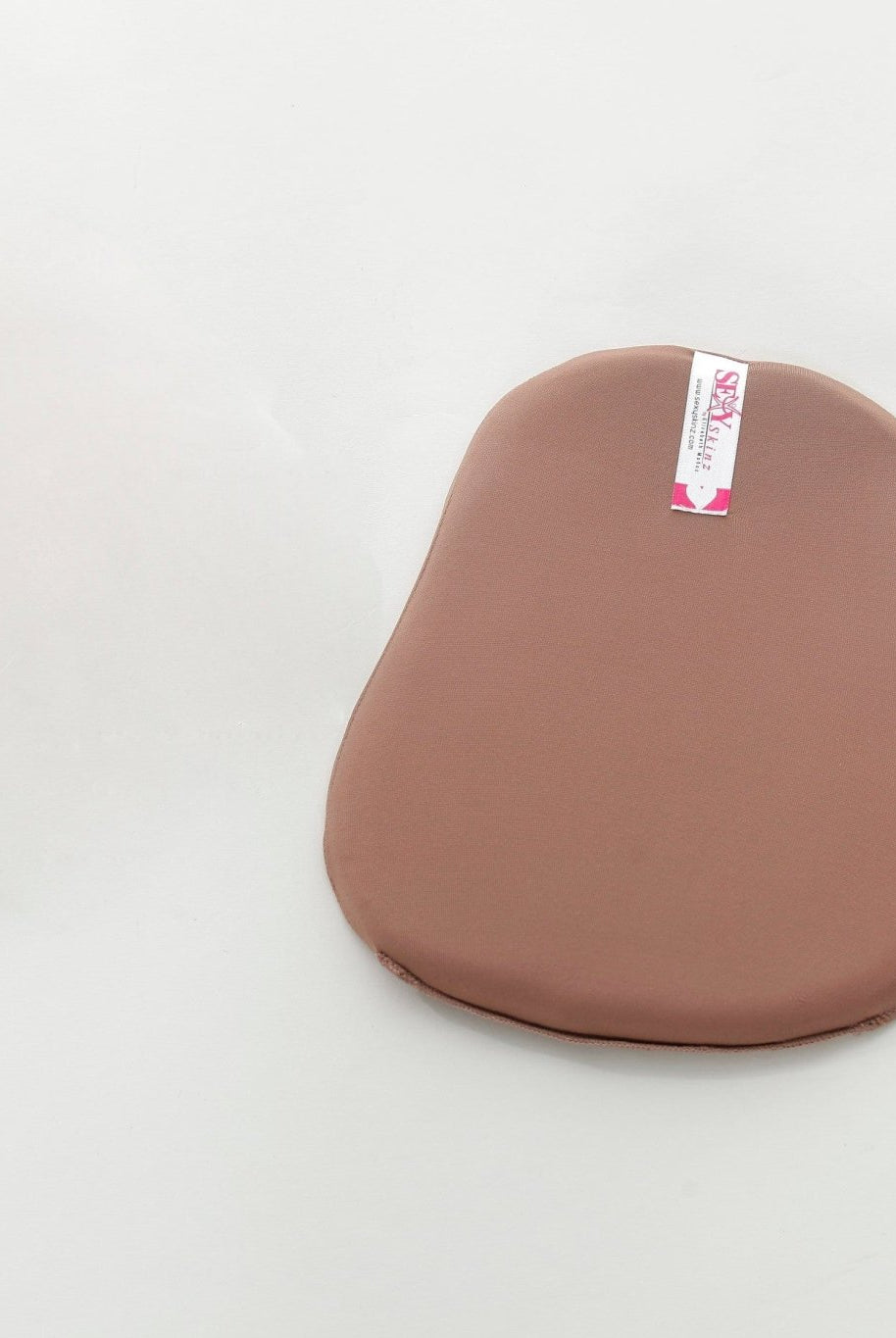
When a faja isn't designed for post-surgical use, people often turn to foam padding to compensate, and foam brings its own problems. It can shift, bunch up, and leave the same marks and unevenness you were trying to avoid in the first place. Between an ill-fitting faja and foam that won't stay put, you end up fighting your garment instead of healing with it, and your results pay the price.
A true post-surgical faja doesn't need extra help from foam inserts to do its job. It's built with the right compression, the right structure, and the right fit from the start, so your body gets consistent, even support throughout recovery. No shortcuts, no add-ons, no compromises.
Can I wear a shaper instead of a surgical binder after a tummy tuck?
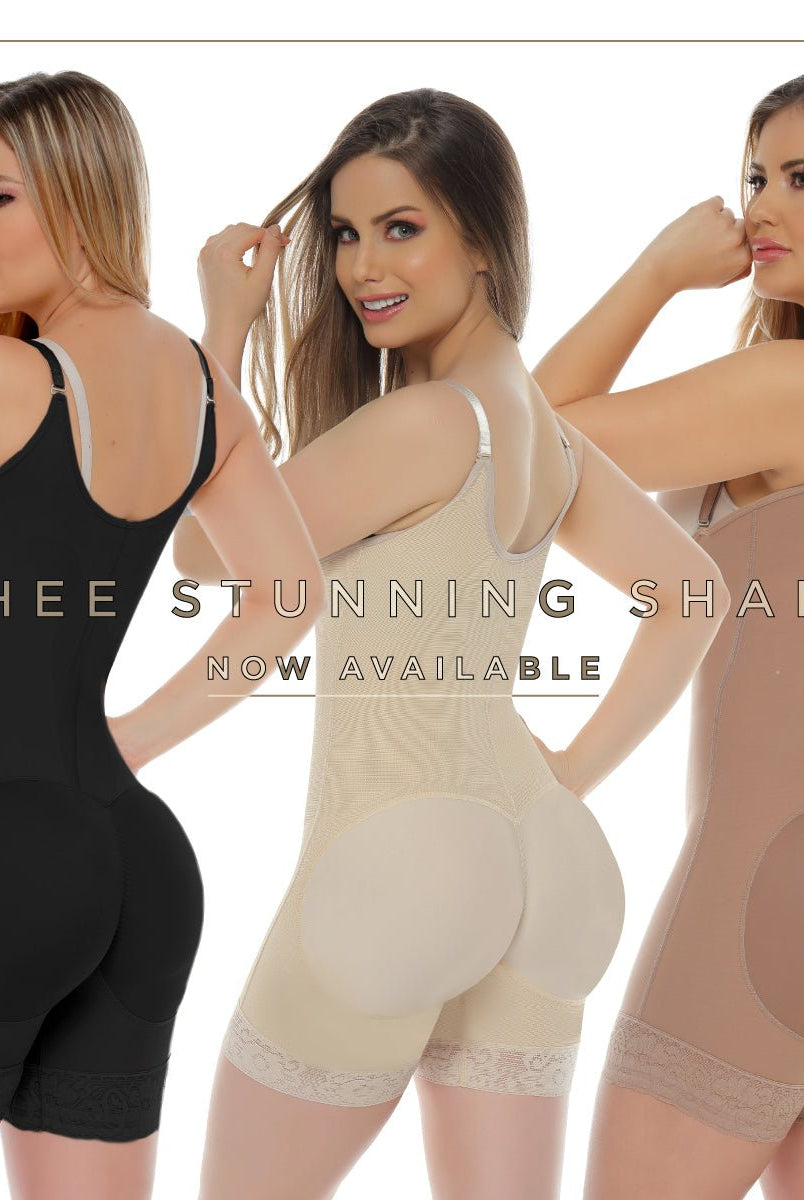
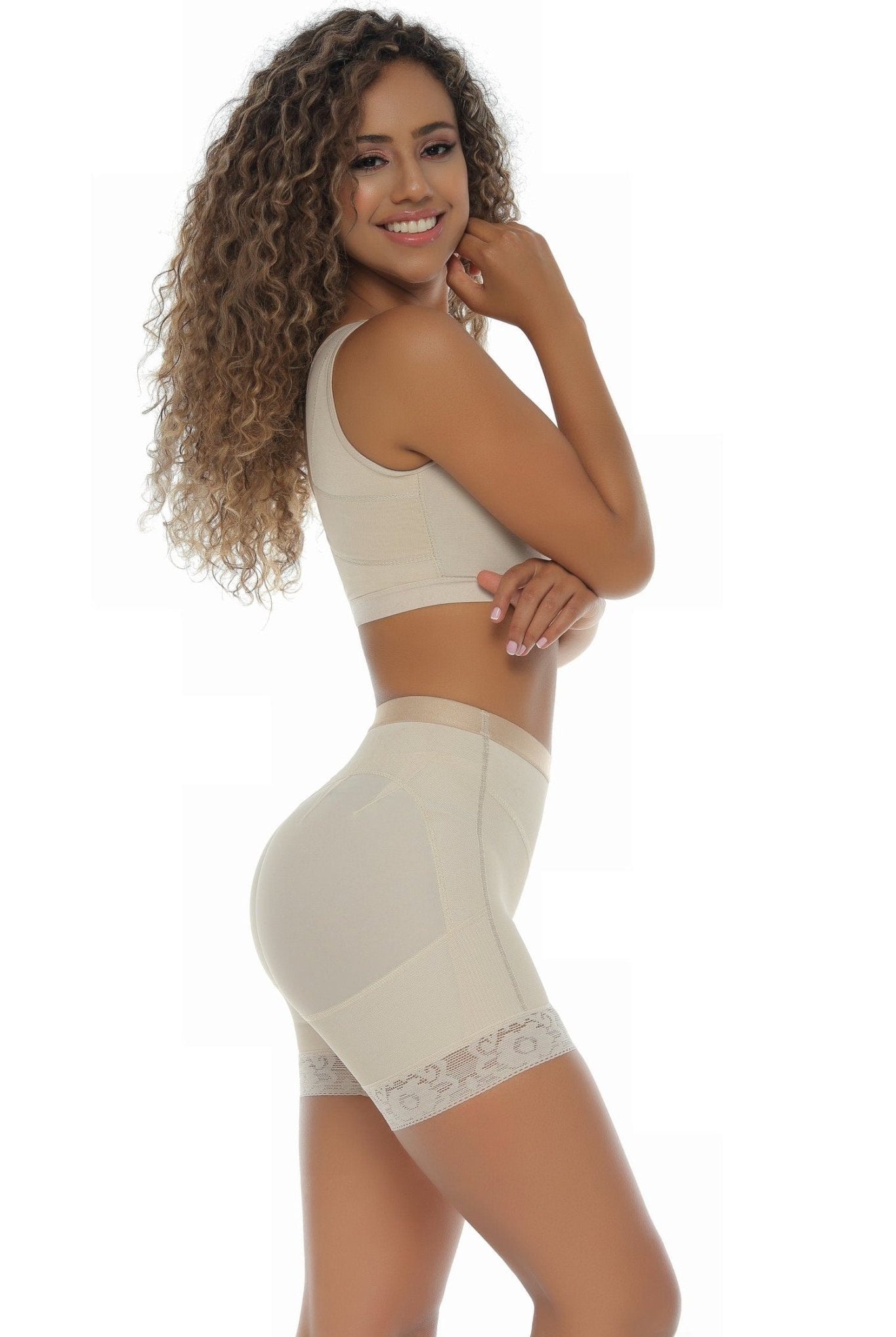
For tummy tucks, many surgeons recommend a binder immediately after surgery. However, per Colombian plastic surgery board guidance, wearing a shaper is fine as long as it isn't extremely tight and protects the skin properly. The key is avoiding garments, like certain Spanx, binders, or tummy wraps, that don't provide the right level of compression, shift out of place, or ride up, since that can let swelling build up unevenly. That's why we created our shapewear using a soft yet firm organic fabric designed specifically for this.
What is a stage 2 faja, and how is it different from stage 1?
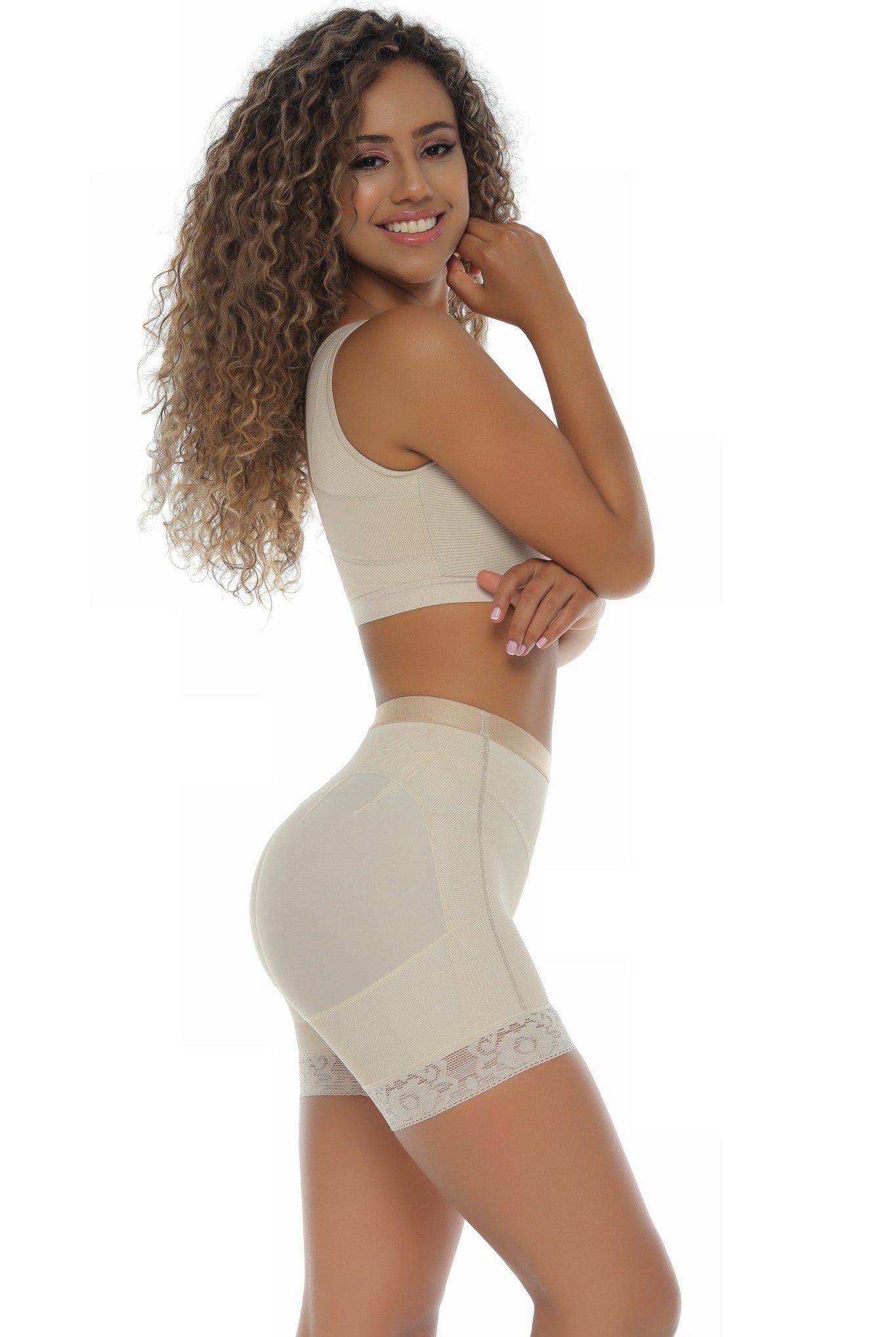
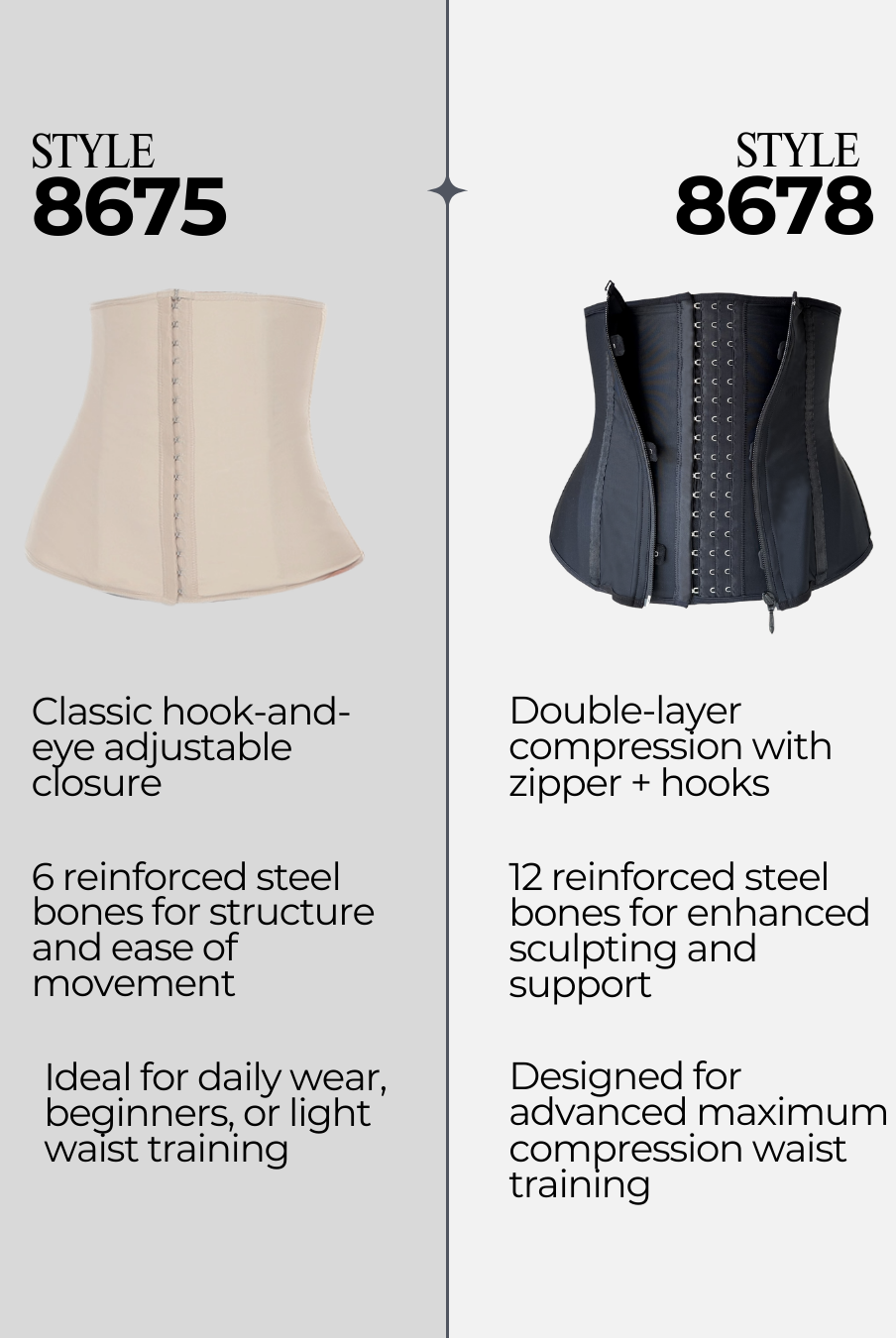
A stage 2 faja provides higher compression than stage 1 and is normally worn one size smaller, fitting more snugly through the waist, abdomen, and hips, without compressing the buttocks or hips, so your body can begin shaping into an hourglass silhouette.
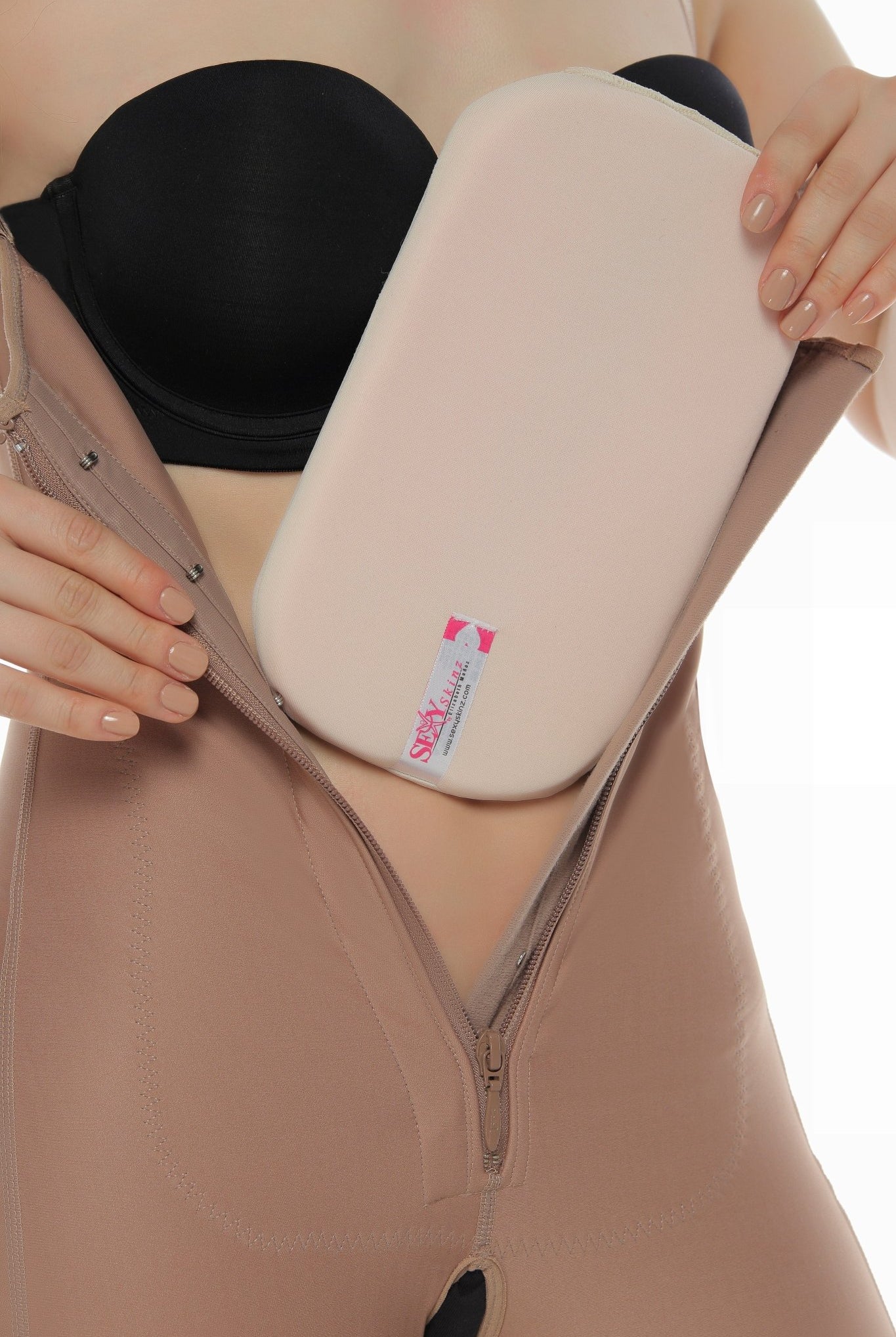
Do I need foam inserts or a camisole with a stage 2 faja?
Not with SexySkinz. Our organic fabric already compresses and protects the skin on its own, so at the stage 2 phase you don't need foam inserts or a camisole layered underneath. With generic brand fajas, foams are often recommended for extra protection and support, but with our fabric that extra layer isn't necessary, and it can actually slow down your healing process.
When should I switch from a stage 1 to a stage 2 garment?
It's generally time to switch once your stage 1 garment starts feeling too big or loose, often around 1 to 2 weeks post-op, though this varies from person to person, so listen to your body.
How long should I wear compression after surgery?
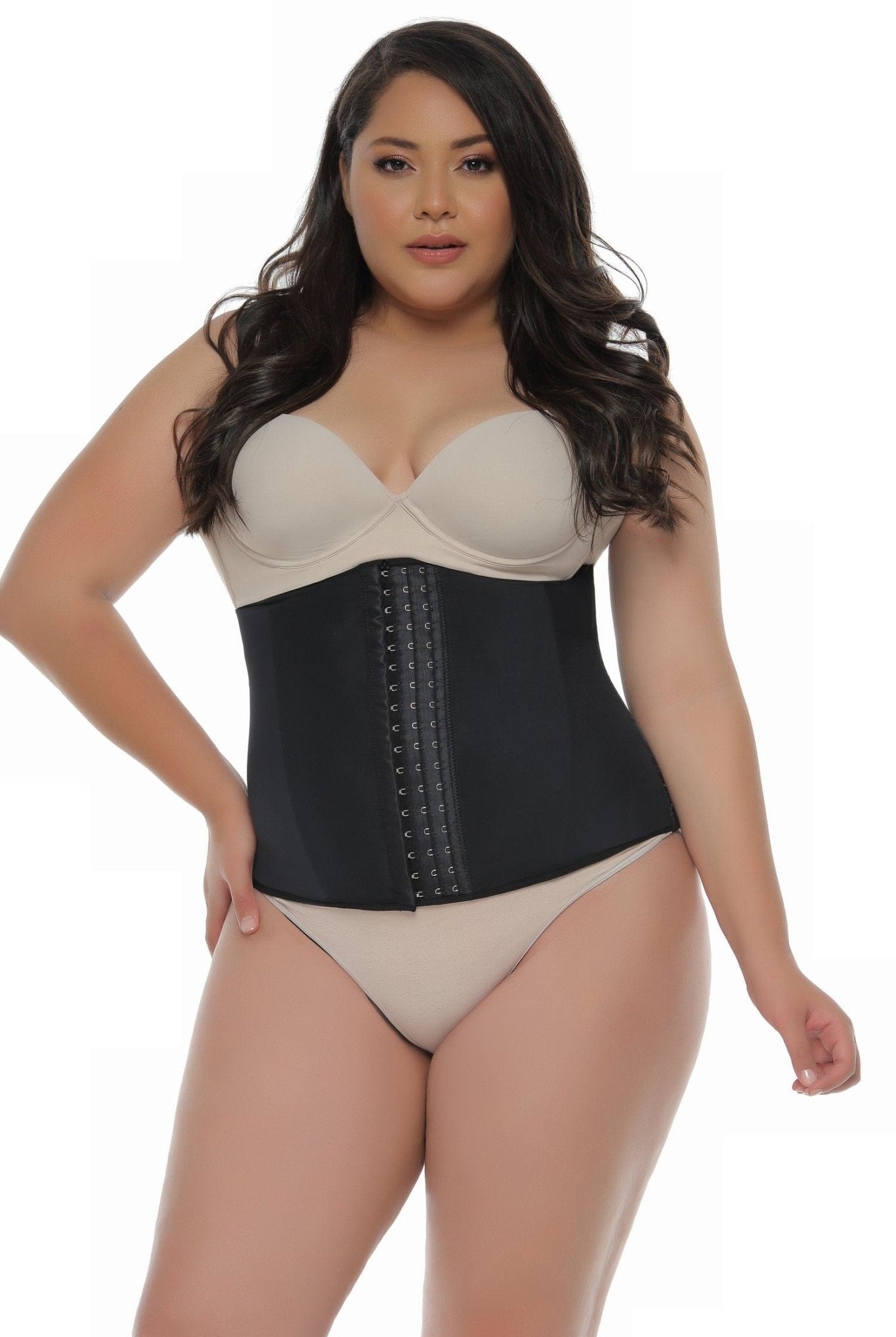
Total compression wear time is typically 10 to 12 weeks, and we recommend committing to at least 3 months of daily wear for the best results. Think of it this way: 3 months of consistent effort now versus a lifetime of loving your results.
What happens after 3 months? Do I still need to wear compression?
After about 3 months, most people transition to a stage 3 shaper or waist cincher to maintain and maximize their results, since swelling can continue to appear for up to 6 months to a year. In Colombia, it's common practice to wear compression for a minimum of a year to achieve the best, longest-lasting results.
What size should I order for post-surgical shapewear?
We recommend ordering your pre-surgery size. Right when you wake up from surgery, you're still close to your normal size, swelling typically starts appearing a few hours later. If you put your faja on right after surgery, you won't need an oversized garment. Some clinics commonly hand out shapers 4 to 5 sizes larger (XL to 2XL), but with SexySkinz we recommend starting in your correct size from day one. That way you avoid having to size down piece by piece, buy a garment for every size along the way, and stretch out your recovery process longer than it needs to be.
One More Thing: Don't Judge a Faja by Its Flag
A lot of people assume a Colombian flag on the label means a garment is authentically Colombian-made, but that's not always true. That little flag has, at times, been used as a marketing shortcut for garments actually manufactured elsewhere, including China, to lend them a sense of Colombian authenticity and craftsmanship.
Here's the real tell: a genuine Colombian-made garment doesn't need a flag to prove it. Look at the label itself. If it simply says "Made in Colombia," that's your confirmation. No flag required. So next time you're shopping for a faja, look past the branding and check the label for what actually matters.